The 35,000-Foot Espresso: What a Viral Coffee Clip Exposes About Modern Air Travel

Sarah Johnson
December 9, 2025
Brief
A viral video of a man brewing espresso on a plane reveals deeper tensions over shrinking personal space, airline cost-cutting, and who gets to define etiquette in today’s crowded cabins.
The Espresso at 35,000 Feet Is Really About Who Owns Public Space Now
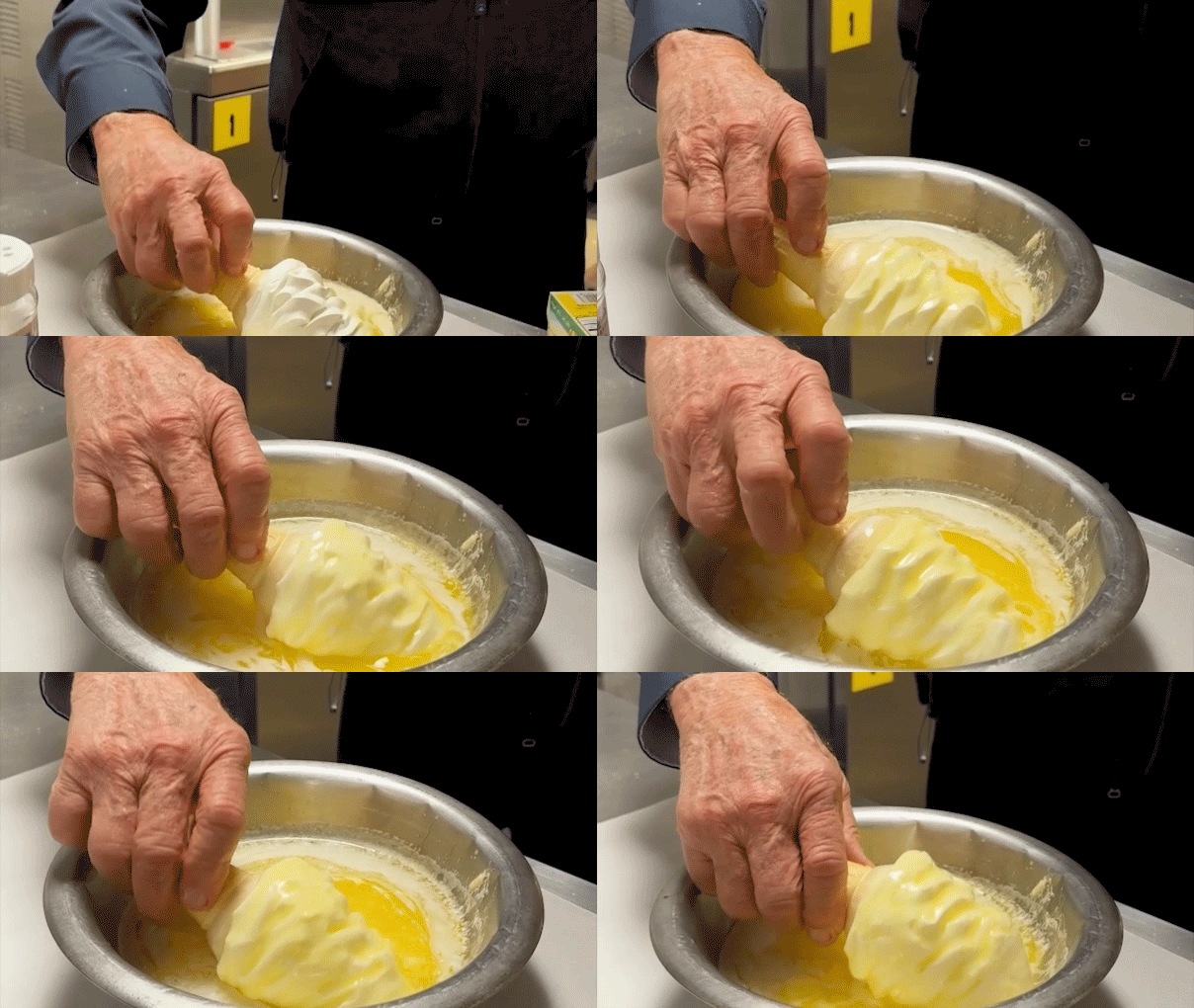
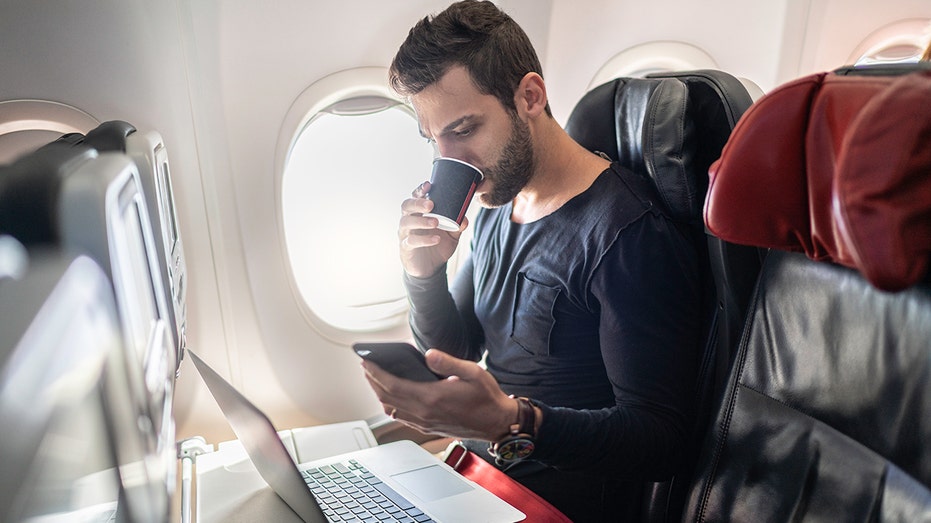
A man quietly brewing a single espresso at his airplane seat should be a non-event. Instead, it sparked a viral fight over “nightmare” passengers, etiquette, and airline rules. On the surface, this is just another quirky TikTok moment. Underneath, it’s a sharp snapshot of three much bigger stories: the collapse of air-travel civility, the privatization of comfort, and the way social media has turned ordinary behavior into public spectacle and judgment.
What looks like a trivial coffee debate is actually a proxy war over shrinking personal space, fraying norms, and who gets to decide what’s acceptable in tightly packed, semi-public environments.
Why this tiny espresso matters more than it should
The strong reactions to one traveler grinding beans and pulling a shot of espresso mid-flight aren’t really about coffee. They’re about:
- Scarcity of space and control in economy cabins
- Mistrust of fellow passengers after years of viral “air rage” clips
- Unequal access to comfort in a system where airlines cut services but sell upgrades to basic dignity
- Social-media enforcement of norms in the absence of clear, consistent rules
In that sense, this espresso becomes a litmus test: are you more worried about individual freedom in cramped spaces, or about collective comfort in a setting where everyone is already close to their breaking point?
From linen tablecloths to DIY espresso rigs: how we got here
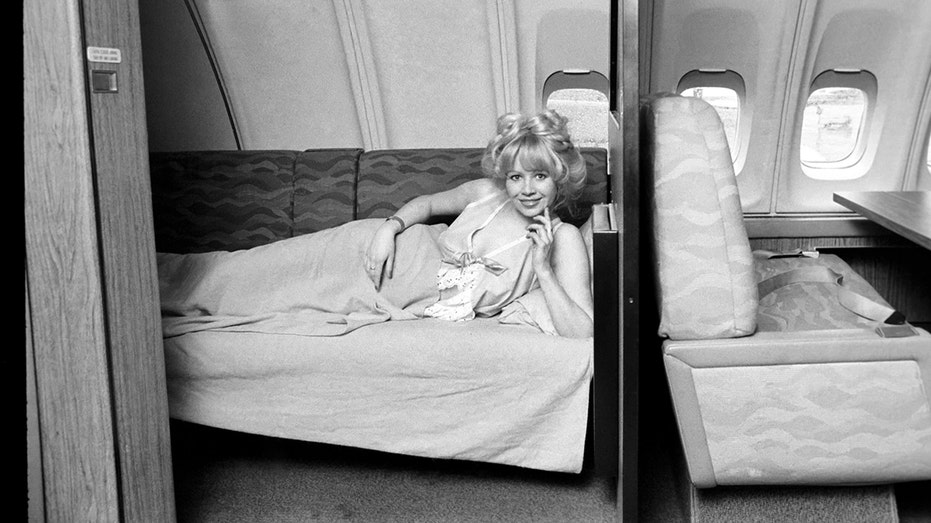
Flying once had a clear script: airline sets the environment, passengers play their roles. Dress up, sit down, accept what you’re served. That model began to crumble in the late 1970s and never came back.
Key turning point: U.S. airline deregulation (1978). Once government controls on fares and routes were lifted, price competition intensified. Over the next decades, airlines:
- Cut meals, snacks, and alcohol that were once standard in economy
- Added more seats, shrinking pitch and width to maximize revenue per flight
- Unbundled services into paid extras: seat assignments, bags, early boarding, food, Wi‑Fi
By the 2010s, economy class on many carriers was closer to a bus with wings than a “luxury experience.” U.S. Bureau of Transportation Statistics data shows average domestic airfares (adjusted for inflation) have trended down since the 1990s, but the tradeoff has been a steady erosion of comfort and included amenities.
Faced with this, passengers did what consumers in any stripped-down service environment do: they started bringing their own comfort. First it was snacks and neck pillows. Then full meals from airport restaurants. Then noise-canceling headphones, travel blankets, and portable entertainment. Today it’s portable espresso machines, mini projectors, and collapsible footrests.
The espresso device in the viral video isn’t an outlier in that history. It’s the logical extension of a system where airlines provide the bare minimum and passengers are told: if you want more, bring it or buy it yourself.
What this really says about modern air travel
1. Airlines outsourced comfort to passengers—without updating the rules
The tension visible in the comments—some cheering the ingenuity, others furious at the perceived entitlement—reflects a regulatory and cultural gap. Airlines have:
- Loosened their service obligations (less included food, fewer comforts)
- Maintained tight safety rules on devices and behavior
- But rarely clarified detailed etiquette or non-safety expectations beyond generic “don’t disturb others” messaging
That leaves a grey zone: devices that are technically allowed (battery powered, non-flame, compliant with lithium rules) but socially controversial. Is a mini espresso machine more intrusive than a pungent fast-food meal or an oversized backpack at your feet? There’s no formal standard—so passengers improvise their own, often with outrage as the enforcement tool.
2. The fight isn’t coffee vs. no coffee; it’s autonomy vs. shared space
The emotional heat in reactions—“nightmare seat neighbor,” “being insufferable at 35,000 feet”—comes from a basic conflict: economy passengers have very little control over their environment, yet they’re forced to share it intensely with strangers.
Three truths collide:
- Your seat is “yours”—you paid for it and expect autonomy within that tiny footprint.
- The cabin is shared—noise, smells, light, and movement spill into others’ spaces.
- There’s no escape—unlike a café or train, you can’t move away for hours.
Every behavior—reclining, using overhead vents, bringing food, or brewing espresso—forces a negotiation between those truths. As personal gadgets get more capable, those negotiations get harder.
3. Social media is now the “court of public opinion” for etiquette disputes
Decades ago, an unusual in-flight behavior would be a story you told friends. Now it’s content. The espresso video went to nearly 2 million views, not because of the technical marvel of handheld brewing, but because viewers were invited to take sides.
This has consequences:
- Norms are set by virality more than by airlines or regulators.
- Passengers perform for the camera—both the original poster and those who respond in comments.
- Edge cases drive outrage, which can distort perceptions of how common or problematic certain behaviors really are.
In this case, etiquette expert Jacqueline Whitmore’s view—“it’s fine as long as he’s not disturbing others”—is moderate and pragmatic. But moderation doesn’t trend; conflict does. So the public conversation skews toward extremes: either this man is a folk hero of traveler self-care or the epitome of airborne selfishness.
4. Safety concerns are real—but often loosely understood
Many commenters asked how the device cleared security and whether heat-producing gadgets were allowed. That reveals another gap: passengers don’t have a clear mental model of what’s actually prohibited vs. what simply feels like it should be.
Current aviation rules generally focus on:
- Fire risk (no open flames; restrictions on certain batteries and fuel)
- Electromagnetic interference (hence rules on larger electronics during takeoff/landing in some jurisdictions)
- Obstruction and hazard (no blocking aisles or exits; no unstable hot liquids in critical phases)
A compact, battery-powered device that heats small amounts of water and sits securely on a tray may well be permissible, as Whitmore notes. But for many fellow passengers, “it’s hot” and “it has electronics” triggers discomfort, especially in a post-9/11, post–battery-fire era.
That gap between formal safety standards and lay perception fuels resentment: some feel unsafe, others feel unfairly judged for using a legal item. And again, the absence of clear airline communication leaves social media to adjudicate.
What experts see in this coffee skirmish
Etiquette professionals, aviation experts, and sociologists tend to land on a few common themes:
- Jacqueline Whitmore, the former flight attendant quoted in the original story, frames the behavior as acceptable within a clear boundary: no harm, no disturbance, no rule violations. That’s a classic “do what you want in your bubble, unless it spills over” standard.
- Aviation safety specialists often emphasize consistency: either airlines explicitly approve or disallow such heated devices, rather than leaving it to ad hoc crew judgment or passenger backlash.
- Social scientists who study public space point out that cramped environments with ambiguous norms—like planes, subways, and rideshares—are hotspots for conflict because people bring very different expectations and feel powerless to enforce them.
Where experts tend to diverge is on responsibility: should airlines proactively define and design for acceptable behaviors, or should passengers internalize a more conservative, low-impact approach in recognition of the shared stress of air travel?
What mainstream coverage is missing
Focusing on whether this man is rude or creative misses three deeper dynamics:
- The class dimension of comfort. In premium cabins, barista-level coffee, real glassware, and bespoke drinks are celebrated perks. In economy, a passenger trying to recreate a fragment of that experience at his own expense is more likely to be ridiculed. The same behavior is coded as “premium service” when provided from above, “entitled” when attempted from below.
- The silent erosion of shared norms. As Whitmore notes, passengers now routinely bring strong-smelling foods, watch videos without headphones, or treat crew as service staff rather than safety professionals. The espresso question fits into a much larger breakdown of mutually understood, enforced standards.
- The commercialization of basic needs. Airlines increasingly sell “enhanced” experiences—better food, more legroom, priority boarding—turning comfort into a tiered product. DIY solutions like portable coffee gear are, in part, a consumer response to that monetization. This isn’t just about manners; it’s about a market structure that pushes people to customize their own micro-environments.
Looking ahead: the next fights in the flying micro-society
Portable espresso is likely just the beginning. As gadgets get smaller and more powerful, cabins will see more:
- Heating and cooking devices for noodles, baby food, or specialty diets
- Wearable or clip-on tech with lights, fans, or sounds that affect nearby passengers
- Personal aromatherapy or scent devices that conflict with others’ sensitivities or allergies
To prevent endless micro-conflicts, airlines and regulators will be pushed toward clearer policies, including:
- Explicit lists of allowed/not allowed personal appliances beyond current battery rules
- Standardized guidance on odors, noise, and light pollution in cabins
- Training for crew not just on safety enforcement, but on managing tech-enabled etiquette disputes
We may also see:
- New product design aimed at being “cabin compatible”—silent, odor-minimizing, spill-resistant, and clearly compliant with aviation standards.
- Soft norms emerging from frequent-flyer communities, much like unwritten rules in coworking spaces or metro systems (e.g., no hot food on short flights, no new fragrances, no DIY projects during meal service).
The bottom line
The espresso at 35,000 feet isn’t really about coffee. It’s about what happens when:
- Service is stripped down to the cheapest possible version,
- Technology lets individuals rebuild comfort on their own terms, and
- We cram hundreds of stressed people into a metal tube with almost no agreed-upon norms.
Until airlines either reinvest in consistent comfort or clearly define what passengers can and can’t do to create it themselves, we’ll keep seeing these small, viral battles over coffee, armrests, and reclining seats. They’re symptoms of a deeper tension: in an age of radical personalization, how do we share space?
Topics
Editor's Comments
What makes this story worth serious attention isn’t the espresso itself, but the pattern it reveals. We’ve normalized an air-travel system that pushes costs down and comfort out, then acts surprised when passengers try to reinsert dignity on their own terms. The man with the coffee gadget is an easy target because his behavior is visible and arguably a bit performative. The harder target is the business model that turned planes into overloaded, underspecified social spaces where rules are thin and frustrations are thick. One contrarian way to view this incident is to see it not as an isolated breach of etiquette, but as a small act of resistance against the expectation that economy passengers should quietly accept bare-minimum conditions. That doesn’t mean every DIY comfort hack is defensible—there are real safety and courtesy boundaries. But if we only police the passengers and never interrogate the underlying design of the experience, we’ll keep having the same argument over different objects: headphones today, espresso machines tomorrow, something more intrusive after that. The real question is whether airlines will reclaim responsibility for defining and delivering a livable shared environment, or continue outsourcing that challenge to individuals and the court of social media.
Like this article? Share it with your friends!
If you find this article interesting, feel free to share it with your friends!
Thank you for your support! Sharing is the greatest encouragement for us.