Beyond the DC Shooting: How One Case Is Rewriting the Fight Over Biden’s Immigration Parole

Sarah Johnson
December 9, 2025
Brief
The DC National Guard shooting by an Afghan evacuee is fueling a high-stakes battle over Biden’s immigration parole strategy, vetting limits, and America’s moral obligations after the Afghanistan withdrawal.
How a Tragic Shooting Became a Proxy War Over Biden’s Immigration Strategy
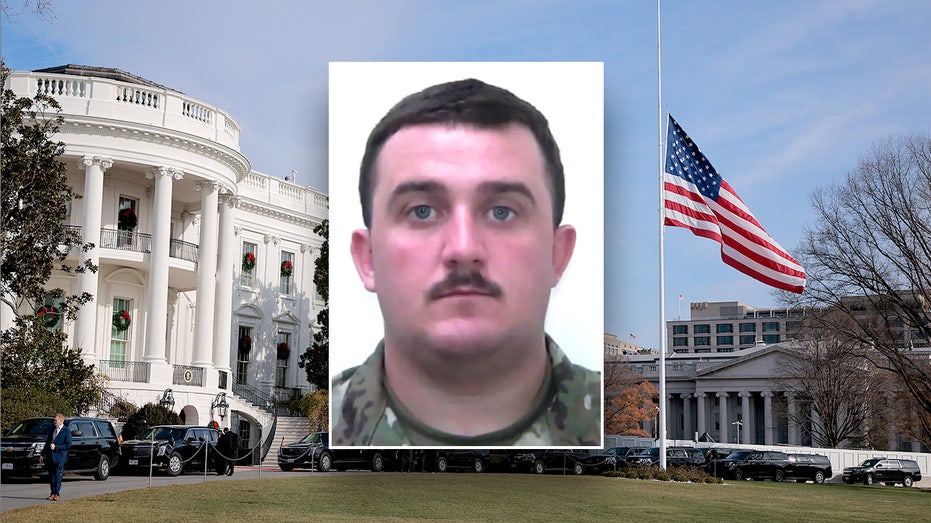
The fatal shooting of U.S. Army Spc. Sarah Beckstrom and the wounding of U.S. Air Force Staff Sgt. Andrew Wolfe allegedly by an Afghan evacuee is horrifying on its own. But in Washington, the incident has rapidly morphed into something else: a political test case for Joe Biden’s broader use of immigration parole and the rushed evacuation from Afghanistan.
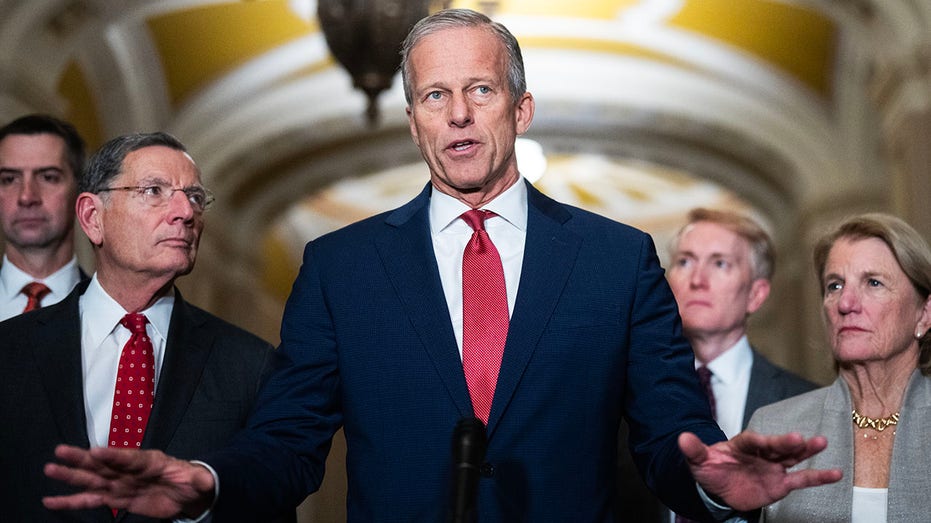
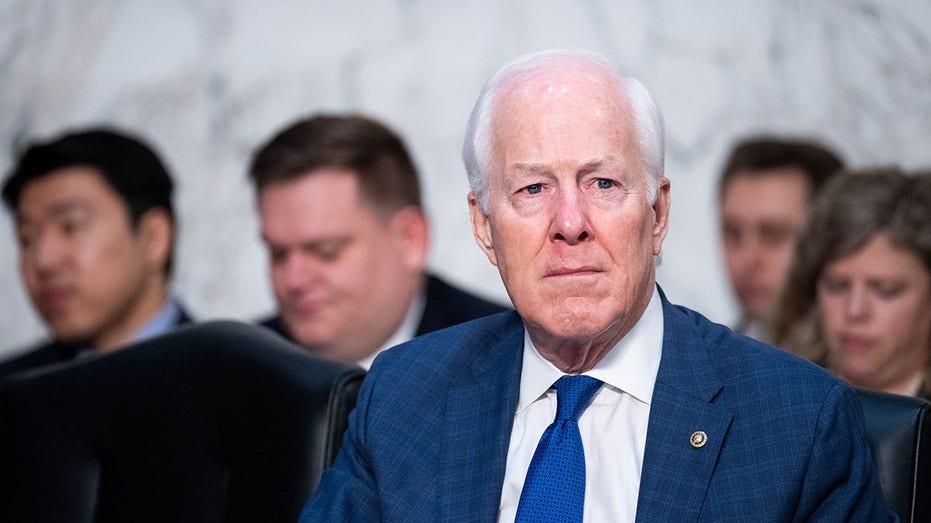
Senate Republicans, led by Sens. John Cornyn and Josh Hawley, are preparing hearings that frame the case as proof that Biden’s parole and vetting policies are not just flawed, but dangerous. What’s really playing out is a much bigger struggle over three interlocking questions:
- How far can presidents stretch humanitarian parole to reshape immigration policy without Congress?
- What are the realistic limits of vetting in chaotic conflict zones?
- How much risk are Americans willing to accept to protect wartime allies and uphold moral commitments?
Understanding this fight requires going well beyond the headlines and into the history of parole, the legacy of the Afghanistan withdrawal, and the way one violent case can reorder national policy debates.
The Bigger Picture: Parole Has Always Been a Quiet Back Door in U.S. Immigration
Parole sounds bureaucratic, but it sits at the heart of this controversy. Under federal law, the executive branch can use humanitarian parole to temporarily allow people into the U.S. for “urgent humanitarian reasons” or “significant public benefit.” Historically, it has been used in extraordinary circumstances:
- Hungarians in 1956: More than 30,000 Hungarians fleeing Soviet repression were paroled into the U.S.
- Vietnamese, Cambodians, and Laotians in the 1970s: Around 130,000 were admitted after the fall of Saigon; many transitioned later to refugee or other legal status.
- Cubans in the 1960s–1990s: Various parole initiatives brought tens of thousands of Cubans fleeing communist rule.
Each time, presidents used parole to move faster than the normal refugee system or visa channels would allow. Congress often complained after the fact, then retroactively adjusted the law, regularized status, or imposed new constraints.
What’s different under Biden is scale and simultaneity. In addition to the Afghanistan effort known as Operation Allies Welcome (OAW), the administration has created or expanded parole programs for Ukrainians, certain Latin American nationals, and other groups. Collectively, hundreds of thousands have entered under various parole pathways since 2021.
For critics like Cornyn, this isn’t targeted humanitarian relief; it’s a massive, quasi-shadow immigration system run out of the executive branch. The Beckstrom/Wolfe shooting gives those critics a concrete, emotionally charged example to point to.
Operation Allies Welcome: Moral Imperative Meets Operational Chaos
Operation Allies Welcome was born out of a disaster. As Kabul fell in August 2021, the U.S. faced an immediate moral and strategic dilemma: tens of thousands of Afghans had worked with or for U.S. forces as interpreters, contractors, security personnel, or civil society partners. Leaving them behind meant exposing them to likely Taliban retribution and sending a message to future local partners that U.S. promises are unreliable.
Afghan allies had long been eligible for Special Immigrant Visas (SIVs), but that program had been notoriously slow and under-resourced under multiple administrations. With the sudden collapse of the Afghan government, the bureaucracy was overwhelmed. Parole became the emergency valve.
In practice, that meant:
- Rapid airlifts out of Kabul, including both high-priority allies and people who were simply able to reach the airport.
- Screening and basic security checks at intermediate locations ("lily pad" bases) in places like Qatar, Germany, and other U.S. facilities.
- Admitting many evacuees into the U.S. on a temporary parole basis while their longer-term status (refugee, SIV, other) was sorted out.
Critics argue that in that chaos, speed overwhelmed scrutiny. Hawley’s claim that planes were ordered to be “filled up…even without vetting” is meant to highlight the tradeoff: save as many as possible now, at the risk of admitting some individuals who could later pose security threats.
The administration, in turn, has argued that multi-layered checks, biometric screening, and intelligence vetting were used to the extent possible—but officials have never pretended it was perfect. No system in that environment could be.
What This Really Means: Policy by Anecdote and the Power of a Single Case
From a policy standpoint, the alleged actions of one Afghan parolee are statistically insignificant in relation to the entire OAW population. Yet single incidents routinely shape U.S. immigration debates far more than data does:
- The 2015 San Bernardino attack amplified fears about Syrian refugees, despite the attackers being a U.S. citizen and a Pakistani national who entered on a fiancée visa.
- Crimes by undocumented immigrants have repeatedly been used to push punitive enforcement policies, despite research showing immigrants, including undocumented ones, tend to offend at lower rates than native-born citizens.
The alleged D.C. shooter now risks becoming the defining symbol of Afghan parole in the public imagination. That symbolism is politically potent because it intersects with three emotionally charged themes:
- National security: The perception that Biden’s policies allowed a “potential terrorist” into the country, even before the suspect’s motives are fully established.
- Afghanistan withdrawal anger: Deep bipartisan frustration with how the war ended is being repackaged as a critique of who was brought out—and how.
- Broader border politics: Republicans are linking Afghan parole directly to other Biden parole programs for Latin America and elsewhere, trying to brand them collectively as reckless.
The danger is that policy gets made—or reversed—on the basis of a single case rather than a sober assessment of patterns, outcomes, and comparative risks.
What the Data and History Actually Suggest
Hard numbers on Afghan evacuees under OAW are evolving, but several patterns are already clear from watchdog reports and government disclosures:
- Scale: Roughly 76,000 Afghans were brought to the U.S. as part of the initial evacuation and resettlement push.
- Flagged cases: Early DHS and Pentagon reviews identified a small number of evacuees with possible derogatory information in intelligence databases, leading to a handful of removals or additional monitoring.
- Crime rates: Publicly documented criminal cases involving Afghan evacuees are extremely limited relative to the overall population. Most issues that have surfaced involve adjustment difficulties, housing, employment, and trauma—rather than organized violence.
Historically, large-scale parole or refugee arrivals typically show low levels of serious criminality, though there are notable exceptions. The key policy question is not whether risk can be eliminated—it can’t—but whether it can be rationally minimized without abandoning moral obligations.
Immigration and security experts tend to emphasize this risk calculus. As former DHS official and immigration scholar Doris Meissner has argued in similar contexts, the U.S. must “distinguish between the inevitable presence of some risk and systemic, preventable failures.” That distinction will be central to any credible Senate inquiry.
Expert Perspectives: Vetting in War Zones Is Never Clean
Security and immigration scholars generally agree on a few hard truths relevant to this case:
- Vetting is only as good as the data available. In a collapsed state like Afghanistan, U.S. agencies rely heavily on biometrics collected during the war, intelligence databases, and limited local records. Gaps are unavoidable.
- Behavioral prediction is limited. Even with robust vetting, predicting individual acts of future violence—especially those not tied to known extremist networks—is extraordinarily difficult.
- Overcorrecting has consequences. Tightening vetting standards dramatically, or freezing programs altogether, can leave genuine allies in danger and make future local partners less willing to work with U.S. forces.
Counterterrorism expert Brian Michael Jenkins has long noted that “zero risk” immigration or refugee policy is an illusion, and chasing that illusion often leads to disproportionately harsh measures that undermine strategic and humanitarian goals without meaningfully increasing safety.
At the same time, critics within the national security community have warned that the rush out of Kabul did introduce preventable vulnerabilities. A 2022 Inspector General report, for example, found that the speed of evacuation led to inconsistent documentation and case tracking, complicating later reviews. That doesn’t mean evacuees are broadly dangerous, but it does mean DHS is playing catch-up on some files.
What’s Being Overlooked in the Current Political Framing
The emerging Republican narrative focuses almost entirely on vetting failures and the alleged threat posed by Afghan parolees. Several key dimensions are largely absent from that conversation:
- Mental health and trauma: Many Afghan evacuees experienced war, displacement, family separation, and rapid cultural dislocation. Serious acts of violence may sometimes be rooted less in ideology and more in untreated trauma, mental illness, or social isolation—issues that resettlement programs are often ill-equipped to address.
- Resourcing the resettlement system: Refugee and evacuee support organizations were stretched thin post-2021, after years of cuts. Inadequate integration support can increase social friction and individual instability, regardless of initial security vetting.
- The role of Congress: While Republicans are attacking Biden’s use of parole, Congress has repeatedly failed to pass a comprehensive Afghan Adjustment Act that would move evacuees from temporary limbo into more secure legal status with predictable screening and oversight.
- Comparative risk: The U.S. accepts far higher levels of domestic violence risk from native-born offenders while politically fixating on rare incidents involving noncitizens. This distortion shapes public perception more than it reflects actual threat profiles.
Looking Ahead: What This Investigation Could Actually Change
If the Cornyn–Hawley hearings gain traction, several policy outcomes are on the table:
- Tighter statutory limits on parole: Congress could move to restrict the executive’s ability to use parole for large groups, forcing future operations like OAW to go through slower, more formal refugee or visa channels.
- Enhanced vetting requirements: Expect calls for more cross-agency data sharing, expanded biometric collection, and potentially longer overseas holding periods before admission—at the cost of speed and sometimes safety for evacuees.
- Retroactive reviews of Afghan cases: DHS could face pressure to re-screen or re-interview significant segments of the OAW population, creating anxiety within Afghan communities already struggling to settle.
- Broader attack on Biden’s immigration architecture: Republicans are likely to use this case not only to scrutinize Afghanistan policy, but also to argue that humanitarian parole programs for other nationalities should be curtailed or terminated.
Politically, the timing is notable. Hearings that highlight a violent crime allegedly tied to a Biden-era parole decision will feature heavily in campaign narratives about border security and terrorism, regardless of what investigators ultimately conclude about vetting specifics or motive.
The Bottom Line
The alleged DC National Guard shooting is being turned into a referendum on Biden’s expansive use of immigration parole, especially during the chaotic Afghanistan withdrawal. The real debate, however, is larger and more enduring: how to balance moral responsibility to wartime allies and humanitarian crises with legitimate security concerns—and who gets to make those decisions, Congress or the White House.
If the investigation focuses narrowly on political blame, the U.S. risks repeating an old pattern: overcorrecting after a single tragedy, undermining long-term strategic and humanitarian interests, and still failing to build a coherent, lawful framework for emergency admissions. If it instead confronts the structural weaknesses in both vetting and resettlement—and Congress finally takes responsibility for setting clearer rules—this painful episode could yield something more than partisan talking points.
Topics
Editor's Comments
What’s striking in this emerging narrative is how quickly an individual criminal case—before all facts are established—has been elevated into a sweeping indictment of an entire policy framework. There are legitimate questions about how Operation Allies Welcome was executed: whether intelligence warnings were missed, whether documentation standards were compromised, and whether resettlement agencies had the resources to support traumatized evacuees. But focusing solely on the front-end vetting obscures two deeper structural failures. First, the United States entered and exited a 20-year war without a coherent, pre-planned legal pathway for local partners, making last-minute improvisation via parole almost inevitable. Second, Congress has repeatedly ducked its responsibility to modernize immigration and refugee law, leaving presidents of both parties to stretch temporary tools like parole to handle permanent problems. The contrarian view worth considering is this: instead of asking only, “Did Biden vet evacuees well enough?” lawmakers should be asking, “Why was the system so fragile that a single emergency forced us to choose between moral obligations and plausible security gaps?” Until that underlying fragility is addressed, every crisis—Afghanistan, Ukraine, future conflicts—will produce the same cycle of rushed improvisation, partisan blame, and reactive restriction.
Like this article? Share it with your friends!
If you find this article interesting, feel free to share it with your friends!
Thank you for your support! Sharing is the greatest encouragement for us.