Beyond Terry Rozier: How a Single Prop Bet Scheme Threatens the NBA’s New Gambling Economy

Sarah Johnson
December 9, 2025
Brief
The Terry Rozier gambling case is more than a player scandal; it’s a high-stakes test of how legalized sports betting, insider information, and league integrity collide in the modern NBA.
Inside the Terry Rozier Gambling Case: Why This Indictment Is a Warning Shot for the NBA and the Legal Betting Era
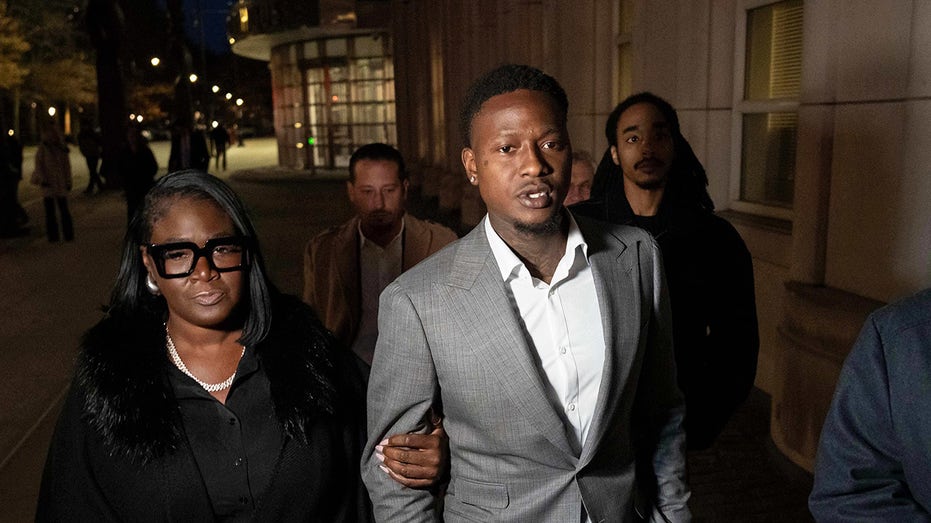
The federal gambling conspiracy case against Miami Heat guard Terry Rozier is not just a story about one player, one game, or one alleged scheme. It’s a stress test of the entire modern relationship between professional sports and legalized gambling — and a signal that federal prosecutors are prepared to treat even small-scale manipulation of insider information as a systemic threat.
At first glance, the allegation sounds almost banal: a player with a nagging injury allegedly tells a childhood friend he’ll take himself out of a game early, the friend and others hammer the “under” on his prop bets, and everyone walks away with winnings. But layered underneath are issues of organized crime, data-driven betting markets, league integrity, and the blurred line between “inside information” and outright fraud. The case sits at the intersection of three massive shifts: the explosion of legal sports betting in the U.S., the commodification of every micro-stat in pro sports, and the growing willingness of criminal organizations to exploit both.
The Bigger Picture: How We Got Here
To understand why this case matters, it helps to zoom out. For much of the 20th century, U.S. professional leagues treated gambling as an existential threat. The memory of the 1919 Black Sox scandal in baseball and the 1950s college basketball point-shaving scandals shaped a zero-tolerance posture. The NBA’s own low point came in the 2007 Tim Donaghy officiating scandal, where an NBA referee admitted to betting on games he worked and providing information to gamblers.
Until the Supreme Court’s 2018 decision in Murphy v. NCAA, sports betting was heavily restricted nationwide. After that ruling struck down the federal ban on state-authorized betting, a gold rush followed: by 2025, more than 35 states and Washington, D.C., have legalized sports wagering in some form, and leagues now actively partner with sportsbooks. The NBA has official betting partners, integrates live odds into broadcasts, and markets player “props” — bets on individual statistics — as fan engagement tools.
This shift created a new vulnerability: instead of needing to fix the outcome of a game, bad actors only have to influence a narrow statistical slice — minutes played, points, rebounds — to exploit the market. That’s a much lower bar than point shaving used to be. A player coming out after nine minutes instead of 30 can move millions in bets without changing who wins the game.
The Rozier case comes amid broader federal investigations into alleged illegal gambling activity tied to organized crime. The involvement of names like Chauncey Billups and Damon Jones in related probes, and the mention of La Cosa Nostra crime families, is a reminder that the classic nexus between sports and organized crime never fully disappeared; it simply adapted to the data-driven, mobile-betting era.
What’s Really at Stake Legally
Rozier has pleaded not guilty to conspiracy to commit wire fraud and money laundering. Translation: prosecutors aren’t charging him with “illegal gambling” in the sense of placing a bet they claim was unlawful. They’re alleging a scheme to defraud — using non-public, material information to manipulate wagers transmitted via interstate communications (wire fraud), and then concealing or handling proceeds in ways that fit federal money laundering statutes.
His own lawyer has publicly said Rozier “told a friend” he would take himself out of a game early and argued that “is not a crime.” That appears to preview a core defense: sharing information about a legitimate injury decision — even a poorly disclosed one — is different from entering a conspiratorial scheme to rig a betting outcome. The key legal questions will likely include:
- Was there intent to defraud? Did Rozier and his alleged co-conspirators deliberately coordinate to manipulate betting markets, or was this framed as casual, informal sharing of information?
- Was the information “material” and “non-public”? In securities law, trading on material non-public information is classic insider trading. Prosecutors here are essentially importing that logic into sports gambling.
- Where is the line between injury management and fraud? Players regularly manage minutes due to chronic injuries. But here, the allegation is that the decision was pre-planned and monetized through bets, without disclosure to the team, league, or sportsbooks.
The volume of evidence — more than 1,000 documents and 55 gigabytes of data — suggests prosecutors have digital trails: texts, betting records, financial transactions, maybe location or app data. In modern betting cases, the transaction footprint is often what turns suspicion into an indictment.
From Black Sox to Player Props: Why This Case Feels Different
Historically, integrity scandals typically centered on altering the outcome of games. The 1919 White Sox allegedly agreed to lose the World Series. The 1950s college point-shavers were adjusting scoring margins to cover spreads. Tim Donaghy was accused of using his influence as a referee to alter foul calls that might affect totals or spreads.
The Rozier allegations reflect a new kind of vulnerability:
- Micro-manipulation over macro-fixing. The alleged scheme is about one player’s minutes and performance, not who wins or loses.
- Individualization of risk. Player-specific prop bets, a relatively recent phenomenon, create endless opportunities for exploitation because only one person’s behavior needs to change.
- Integration into everyday life. Betting apps make it possible for friends, family, and intermediaries to profit quickly and quietly off a single text or conversation.
If the indictment’s narrative holds, what prosecutors are saying is simple: the system is so granular now that a single pre-arranged decision — “I’ll exit early with a foot injury” — can be monetized across a network of bettors who collectively wagered about $200,000 just on the “under” for that game.
The Organized Crime Dimension: Old Players, New Markets
The mention of La Cosa Nostra crime families in connection with these broader FBI probes is not incidental. Legal sportsbooks haven’t eliminated illegal gambling; they’ve created more price signals and data for sophisticated actors to exploit, while offshore and underground operators still offer credit, anonymity, and different limits.
Historically, organized crime has intersected with sports in three main ways: bookmaking, loan-sharking to indebted gamblers (including athletes), and game or point manipulation. The current environment adds a fourth: information arbitrage. Non-public injury plans, coaching decisions, or locker-room intel can be sold downstream to bettors who then appear on paper as ordinary customers of legal books.
Federal investigators are now treating that information pipeline much like insider trading on Wall Street. If a player or coach knowingly provides exploitable, non-public data in exchange for kickbacks or shared winnings, the case can quickly move from league discipline to felony charges.
What This Means for the NBA and Its Betting Partners
The NBA now monetizes gambling-adjacent content: official data feeds, odds integrations, betting-focused studio shows. It has also implemented strict rules: players and team personnel are banned from betting on NBA games and from sharing non-public information for betting purposes.
The Rozier and related cases expose pressure points the league must address:
- Player education gaps. It’s one thing to tell players “don’t bet on games.” It’s far more complex to educate them on how a single text message about minutes or usage can constitute fraud in a regulated market.
- Injury reporting as financial disclosure. As betting markets treat injury reports like earnings guidance in finance, manipulation or non-disclosure of injuries begins to look like securities fraud. Leagues may need far more rigorous, enforceable reporting standards.
- Conflicts with collective bargaining. Unpaid leave, arbitration, and criminal proceedings are now intersecting. The judge’s remark that “arbitration with the league is of no concern” underscores that the justice system will not subordinate itself to league timelines or labor frameworks.
- Trust in official data. Sportsbooks rely on league-provided data and assume games are being contested in good faith. Repeated integrity issues could force operators to adjust limits, pricing, or even their willingness to offer certain props.
Expert Perspectives: A Convergence of Law, Economics, and Ethics
Sports law scholars see in this case a test of how far federal prosecutors can stretch traditional fraud statutes into the sports betting realm.
Michael McCann, a prominent sports law expert and professor, has long argued that, “As sports betting becomes normalized, the law will increasingly treat players like corporate insiders — with all the corresponding liability for misusing non-public information.” While he is not commenting specifically on Rozier’s case, his framework fits the prosecutorial theory here.
Economists who study betting markets point out that the spread of prop betting has changed incentives. Victor Matheson, a sports economist, has noted in prior work that “micro-bets multiply integrity risks because they create hundreds of bettable events that are under the control of one actor rather than two teams.” A single player’s decision, even one that doesn’t alter the final score, may be enough to generate large illicit profits.
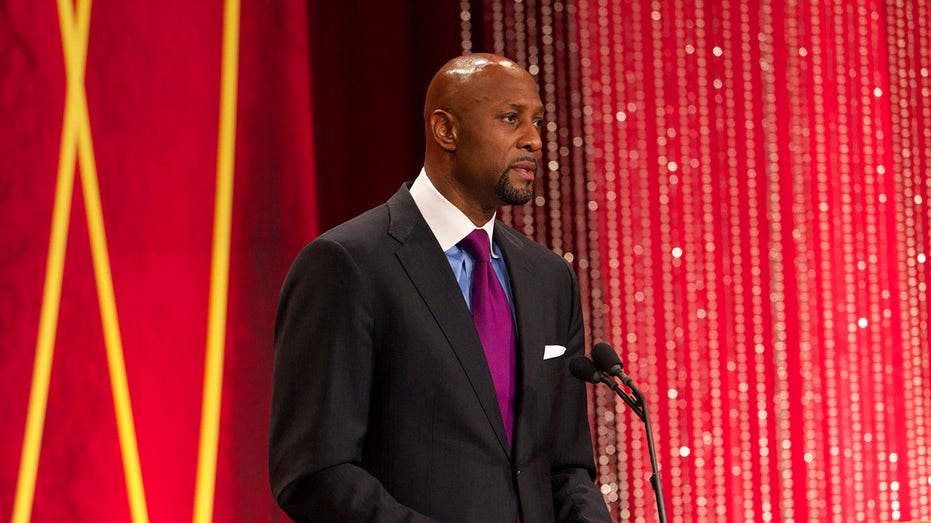
On the ethics front, former players and Hall of Famers have warned that the proximity of athletes to betting culture is reaching a dangerous threshold. The cited reflection by a Hall of Famer on a “crisis” of gambling in sports speaks to a broader concern: that players are being asked to operate in an environment in which the league profits from gambling while simultaneously punishing any missteps, often on rules they may not fully grasp.
Data & Evidence: The Numbers Behind the Narrative
While the indictment references roughly $200,000 in wagers tied to Rozier’s alleged scheme, that figure likely understates the potential market impact. In today’s environment:
- Legal U.S. sports betting handle exceeded $100 billion annually by the mid-2020s, according to industry trackers.
- Player prop markets, though smaller than sides and totals, can see millions of dollars in cumulative exposure across all operators for high-profile games.
- Integrity monitoring firms track irregular betting patterns by comparing expected volumes and odds movements to actual activity. Sudden, concentrated betting on a niche prop in limited windows is a major red flag, which may be how this situation first drew scrutiny.
The 55 gigabytes of evidence prosecutors plan to turn over could include:
- Betting platform logs: timestamps, bet sizes, locations.
- Communication records between Rozier and alleged co-conspirators.
- Bank and cash flow records suggesting shared winnings or structured payouts.
- Internal league or team data on Rozier’s medical condition and pre-game status.
The scale and nature of this digital trail will likely shape not just this prosecution, but also future league policies on data sharing and cooperation with law enforcement.
Looking Ahead: What to Watch
The next hearing is set for March 3, but the implications extend well beyond that date. Key developments to watch:
- Constitutional motion to dismiss. Rozier’s attorney has signaled a constitutional challenge. That could involve arguments about overbroad application of wire fraud statutes, due process concerns, or the vagueness of applying traditional fraud laws to modern betting behavior. If the motion gains traction, it could shape future cases.
- Plea deals vs. trial. If co-defendants seek plea agreements, they may provide detailed accounts that clarify whether this was a one-off incident or part of a broader pattern of manipulation.
- League response and policy changes. Even before a verdict, expect the NBA to quietly review its educational programs, injury reporting requirements, and cooperation protocols with sportsbooks and regulators.
- Copycat or deterrence effect. The outcome will set a precedent. A conviction could deter other players and insiders from flirting with similar schemes. An acquittal, especially on intent grounds, might force lawmakers or regulators to craft more explicit statutes for sports-betting-related fraud.
The Bottom Line
The Rozier case isn’t just about whether one NBA guard crossed a legal line in a single game. It’s about whether America’s rapidly expanding, heavily marketed sports betting ecosystem can coexist with the integrity of the games themselves. By framing alleged misuse of non-public injury plans as wire fraud and money laundering, federal prosecutors are sending a message: in the era of legalized gambling, athletes and insiders will be held to standards more akin to corporate executives trading on confidential information.
Regardless of how the case resolves, leagues, sportsbooks, and policymakers now face a clear imperative. As betting becomes embedded in the fabric of sports, the cost of leaving gray areas — around injury disclosure, information sharing, and insider relationships — is no longer just reputational. It’s criminal.
Topics
Editor's Comments
The most underappreciated aspect of the Rozier case is how quickly we’ve normalized the presence of betting in every corner of sports without building commensurate safeguards for the humans at the center of it. Players are now operating under a regime that looks like a hybrid of labor law, criminal law, and securities regulation, often without the benefit of sophisticated compliance systems that corporations take for granted. The federal government is effectively telling athletes: you’re not just entertainers, you’re market-sensitive information nodes. Yet their training, representation, and daily culture haven’t caught up with that reality. There’s also a class dimension here. Star executives and league officials profit from betting partnerships in a highly structured way, while rank-and-file players — or former role players like Damon Jones — are the ones more likely to get caught up in marginal schemes. As this and related cases move forward, a critical question is whether leagues will design structures that genuinely protect players from both exploitation and criminal exposure, or simply rely on prosecutions as a deterrent after the fact.
Like this article? Share it with your friends!
If you find this article interesting, feel free to share it with your friends!
Thank you for your support! Sharing is the greatest encouragement for us.