
Beyond the Buffet: What a Surge in Cruise Norovirus Outbreaks Reveals About Travel, Labor, and Public Health

Sarah Johnson
December 9, 2025
Brief
The 21st cruise-ship norovirus outbreak this year exposes deeper issues in cruise economics, worker protections, ship design, and post‑COVID hygiene culture that go far beyond another bout of ‘stomach flu at sea.’
Cruise Ship Norovirus Outbreaks Are Surging Again. The Real Story Is What’s Happening Behind the Buffet Line.
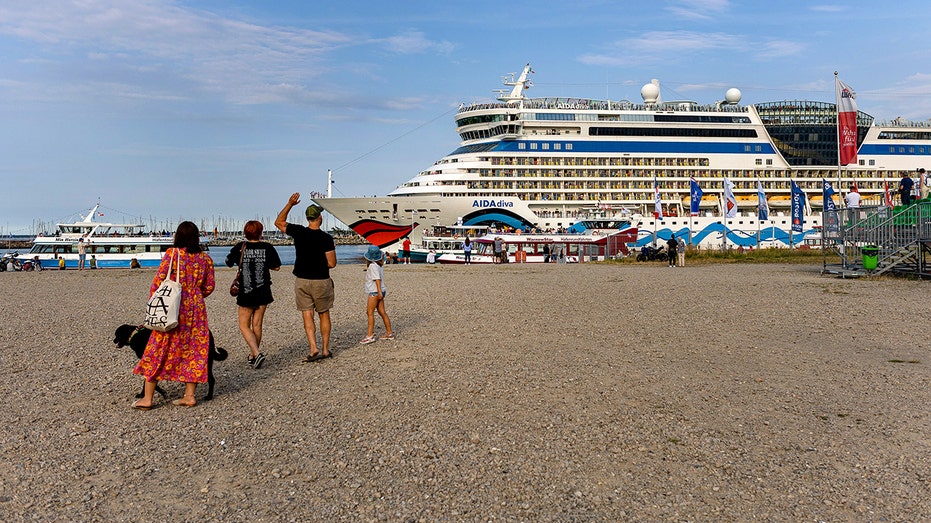
The 21st cruise-ship norovirus outbreak reported to the CDC this year – this time on Aida Cruises’ AIDAdiva – is being framed as another unfortunate episode of “stomach flu at sea.” But the pattern tells a much bigger story about how the cruise industry operates, how public health surveillance has changed since COVID-19, and why a pathogen we’ve known about for decades keeps winning against some of the most highly regulated ships on earth.
A familiar virus, an old problem – but new numbers
On the surface, the latest incident fits a familiar script: about 95 passengers and six crew out of more than 2,600 people onboard reported vomiting and diarrhea during a multi-week voyage. The operator increased cleaning, isolated sick passengers, consulted the CDC’s Vessel Sanitation Program (VSP), and emphasized that illnesses peak between November and April – mirroring land-based trends.
Yet this is the 21st confirmed cruise norovirus outbreak of the year reported to the CDC. That’s notable for two reasons:
- The CDC only reports outbreaks on ships that call at U.S. ports and meet specific case thresholds. The global tally is higher.
- Pre‑pandemic, annual reported norovirus outbreaks on cruises reported to the CDC typically ranged from the high single digits to low teens. Some years saw as few as four or five.
We are not just seeing random bad luck at sea; we are seeing the convergence of seasonal biology, post‑COVID travel behavior, economic pressures in the cruise sector, and a surveillance system that is more sensitive than it used to be.
Why norovirus loves cruise ships – and why that’s not the whole story
Norovirus has been recognized as a major cause of acute gastroenteritis since at least the 1970s. It’s incredibly efficient:
- Low infectious dose: As few as 18 viral particles can cause illness.
- Environmental resilience: The virus survives on surfaces for days, sometimes weeks.
- Aerosol potential: Projectile vomiting can create microscopic droplets that contaminate surrounding areas.
- Short incubation, brief but intense illness: Symptoms usually appear within 12–48 hours and last 1–3 days.
From a virology standpoint, cruise ships are almost perfect amplifiers: high population density, shared dining facilities, frequent buffet use, and a constant churn of passengers and crew. But focusing solely on ship design obscures deeper dynamics:
- Labor structures: Many crew members work long hours with limited sick leave. When your paycheck depends on showing up, you’re less likely to report early symptoms – a critical window for preventing spread.
- Business incentives: Ships are floating hospitality complexes. Closing buffets, cancelling activities, or confining passengers can mean refunds, reputational hits, and operational disruption. There is a built‑in tension between health precautions and revenue protection.
- Passenger expectations: Modern cruise guests have been conditioned to expect “all‑inclusive” abundance – endless buffets, social events, kids’ clubs, bars. Every one of those amenities is also a transmission opportunity.
In other words, norovirus is the biological expression of an economic and cultural model: high‑density leisure built on thin margins and global labor, optimized for fun and consumption, not for infection control.
From mystery bug to managed risk: the historical arc
To see why this year’s numbers matter, it helps to zoom out. Norovirus’s public profile has risen and fallen with broader shifts in travel and public health:
- 1970s–1990s: Norwalk‑like viruses were recognized but underdiagnosed. Outbreaks at schools, nursing homes, and ships often went unexplained because testing was limited.
- Early 2000s: Better diagnostics and high‑profile cruise outbreaks pushed norovirus into the headlines. The CDC’s Vessel Sanitation Program expanded inspections, scoring, and outbreak reporting.
- 2010s: Cruise ships grew larger and more elaborate. The fastest‑growing segment was first‑time and mass‑market cruisers, many price‑sensitive and less likely to cancel when ill. Outbreaks continued but were framed as rare anomalies.
- COVID era: Cruise travel shut down, then reopened under intense scrutiny. The industry invested heavily in ventilation upgrades and COVID protocols – but those measures don’t fully translate to norovirus, which is often more about surfaces and hands than airborne droplet spread.
The current spike in norovirus reports sits at the intersection of a public hungry for travel after pandemic restrictions, an industry racing to recoup losses, and a health system more attuned to outbreaks than it was a decade ago.
Is norovirus really getting worse – or are we just seeing more?
One underreported angle is the difference between absolute risk and reported incidence. Millions of people cruise every year. Even 21 outbreaks, by CDC definition, represent a small fraction of total sailings.
There are several reasons we may be observing more outbreaks without a fundamental change in the virus:
- Enhanced surveillance: Post‑COVID, ships are under pressure to report illnesses early and often. Passenger expectations around transparency have also shifted – social media posts about illness on board can force public reporting.
- Longer, multi‑segment voyages: The AIDAdiva sailing lasted over a month and crossed multiple regions. Longer cruises mean more boarding and disembarkation cycles, more port exposure, and longer windows to sustain transmission chains.
- Seasonality plus pent‑up demand: The November–April peak overlaps with peak vacation periods. After pandemic years, many travelers are less inclined to cancel for mild symptoms, potentially boarding while incubating the virus.
At the same time, there are plausible structural drivers of increased risk: bigger ships with more shared amenities; rising cost pressures that may affect staffing levels for cleaning; and crew turnover that complicates consistent training.
What the official response reveals – and what it doesn’t
The public statements from both the cruise line and the CDC emphasize familiar control measures: intensified cleaning, isolation of sick individuals, consultation with the Vessel Sanitation Program, and reassurance that trends reflect land‑based seasonality.
What’s rarely discussed publicly are the thresholds and trade‑offs behind those decisions:
- At what symptomatic rate does a cruise line consider cancelling a sailing, versus riding it out with enhanced cleaning?
- How often are crew encouraged – or pressured – to work through mild symptoms?
- What percentage of passengers actually report illness, as opposed to self‑treating in their cabins to avoid isolation or missing excursions?
Experts note that under‑reporting is significant. A 2019 review in the journal Epidemiology & Infection estimated that for every lab‑confirmed case of norovirus, dozens go unreported in the community. On cruises, the incentive not to report can be especially strong for passengers who fear being confined to their cabins.
Norovirus as a stress test for post‑COVID hygiene culture
Another overlooked dimension is how this wave of norovirus outbreaks exposes the limits of our post‑COVID hygiene habits. Many travelers now rely heavily on alcohol‑based hand sanitizers, which are excellent against many bacteria and enveloped viruses – but not very effective against norovirus.
Norovirus lacks the lipid envelope that alcohol-based sanitizers are designed to disrupt. Soap and water, plus mechanical friction, remain more reliable. Yet from airports to ships, much of the visible hygiene theater still centers on sanitizer dispensers rather than sinks, contact‑time protocols, or rigorous surface disinfection.
On cruises, the difference is stark: walking into a buffet, passengers are often encouraged to use sanitizer, but full handwashing stations – with staff actually enforcing use – are less consistently deployed. This is a design and behavior problem, not just a virology one.
What changes if we treat ships as microcosms, not anomalies
It’s tempting to treat “cruise ship norovirus” as a niche problem affecting only a particular type of traveler. That’s a mistake. Cruise ships are highly instrumented microcosms of what happens wherever people share food, bathrooms, and close quarters: schools, nursing homes, prisons, dorms, and even hospitals.
Because ships are tightly regulated and monitored, they may actually be early warning systems for broader seasonal trends. When the CDC notes that cruise outbreaks mirror land-based patterns, the reverse is also true: sharp rises at sea are a signal about community transmission onshore – especially in the ports where passengers are embarking and disembarking.
There are policy implications here:
- Data from VSP investigations could be more systematically integrated into state and local public health planning for seasonal gastroenteritis.
- Standardized, transparent public dashboards could show illness rates across the fleet in near-real time, enabling travelers to make risk‑informed decisions.
- Outbreak lessons from ships – the impact of buffet design, staff sick-leave policies, and enforcement of handwashing – could be applied to other high‑risk institutions on land.
What experts say is missing from the conversation
Public‑facing commentary typically focuses on individual behavior (wash your hands, avoid public areas if you’re vomiting) and the immediate vessel response. Infectious disease and occupational health experts tend to spotlight a broader set of questions:
- Occupational safeguards: Are crew given adequate paid sick leave and protected from retaliation when they report illness?
- Food supply chain controls: To what extent do outbreaks originate not from person‑to‑person spread, but from contaminated food loaded at ports?
- Built environment design: How much can be mitigated by rethinking ship design: more handwashing stations, fewer self‑serve buffets, better restroom layouts, antimicrobial surfaces?
Several studies suggest that self‑service buffets are a critical vulnerability. Every shared utensil can become a high‑traffic vector. Some lines shifted to staff‑served buffets during COVID, but many reverted to self‑service as restrictions eased. That might save on labor and restore a sense of normalcy, but it also reopens a key pathway for norovirus spread.
Looking ahead: policy levers and industry choices
If cruise‑linked norovirus outbreaks continue at this year’s pace, pressure will grow on regulators and operators to move beyond reactive sanitation campaigns and toward structural reforms. Several possibilities are on the horizon:
- Stronger reporting transparency: Requiring lines to disclose not just confirmed outbreaks, but baseline gastrointestinal illness rates by sailing, could shift incentives toward prevention over damage control.
- Minimum sick‑leave standards for crew: Binding requirements, rather than company policies, would make it harder to cut corners on worker protections that ultimately protect passengers too.
- New design norms: Future ships could be built with more handwashing facilities integrated into traffic flows, redesigned food service areas, and surface materials chosen with viral survivability in mind.
- Vaccine research: Norovirus vaccine candidates are in development. Widespread use is several years away at best, but the cruise sector is a likely early adopter once an effective, safe option is available – both for reputational and practical reasons.
In the shorter term, lines may quietly adjust operational practices – restricting self‑service during high‑season months, intensifying off‑season crew training, and rethinking how they message illness reporting to passengers. The question is whether those shifts will be voluntary and uneven, or codified through updated CDC guidance and international maritime health standards.
What travelers should really take away
For prospective cruisers, the headlines can be alarming, but the risk is not binary. Key realities:
- Norovirus outbreaks are relatively rare compared with total sailings, but they are predictable and seasonal.
- Individual actions – rigorous soap‑and‑water handwashing, avoiding buffets when possible, reporting early symptoms – meaningfully reduce both personal risk and community spread.
- The bigger safety determinants are systemic: how the ship is designed, how staff are treated, and how transparent the line is when things go wrong.
The 21st outbreak this year is not just another story about unlucky passengers. It’s a small but telling stress test of how the cruise industry, regulators, and travelers are adapting – or failing to adapt – to the persistent reality of highly contagious, environmentally hardy viruses in a world eager to get back to carefree travel.
The bottom line
Norovirus on cruise ships is not new. What is new is the combination of higher reported outbreaks, post‑pandemic travel surges, and an industry that has upgraded its image faster than it has upgraded some of its structural defenses. The AIDAdiva outbreak is less an isolated event than another data point in an ongoing negotiation between profit, pleasure, and public health at sea – a negotiation whose outcomes will shape not just cruise vacations, but how we manage infectious risks in every crowded, shared space we inhabit.
Topics
Editor's Comments
One important tension that deserves more public debate is who ultimately bears responsibility for infection control at sea. Much of the messaging still targets individual behavior: wash your hands, stay in your cabin if you’re sick, don’t touch your face. Those steps matter, but they implicitly shift the burden from systems to individuals. The structural levers—crew sick-leave policies, buffet design, cabin density, staffing ratios for cleaning, and transparent reporting standards—are largely in the hands of cruise operators and regulators. Naming norovirus as a ‘seasonal inevitability’ risks normalizing a level of outbreak frequency that might be substantially reducible with different business choices. As long as ships compete primarily on price, amenities, and headline health scores rather than on verifiable structural safeguards, there will be an incentive to favor cosmetic cleanliness and crisis management over deeper redesign. Future coverage should scrutinize not just how ships respond to outbreaks, but how they invest—or don’t—in preventing them long before passengers board.
Like this article? Share it with your friends!
If you find this article interesting, feel free to share it with your friends!
Thank you for your support! Sharing is the greatest encouragement for us.