
The Hidden Ways Your Sleep Position Is Reshaping Your Nerves and Long-Term Health

Sarah Johnson
December 9, 2025
Brief
Popular sleep positions may compress nerves and worsen pain, apnea, and reflux. This analysis explains the deeper biomechanical, social, and medical forces that turned simple sleep posture into a modern health risk.
How Your Favorite Sleep Position Became a Modern Health Hazard
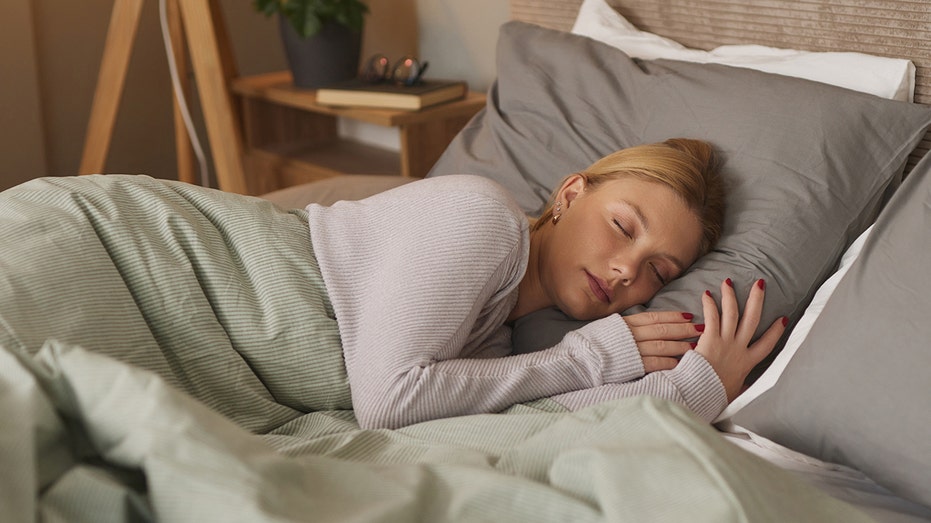
Most coverage of sleep positions focuses on quick tips: don’t sleep on your stomach, put a pillow between your knees, try not to snore. What’s missing is a deeper look at why sleep posture has become a serious medical issue in the first place — and what it reveals about a society that is both chronically exhausted and structurally unprepared for healthy rest.
The emerging concern about “nerve-damaging” sleep positions isn’t just about a few tingling fingers in the morning. It’s part of a larger, underappreciated shift: we’ve engineered our days and our environments in ways that overload the nervous system and musculoskeletal structures, then expect eight hours in a static, sometimes harmful position to somehow fix it. The result is a quiet epidemic of nocturnal nerve compression, chronic pain, poor sleep quality, and long-term health risk.
Why This Story Matters More Than It Sounds
On the surface, this is a lifestyle story: some sleep positions can compress nerves (like the so‑called “T. rex” bent‑arm posture), worsen reflux, or contribute to back and neck pain. But beneath that lies a bigger issue with three key dimensions:
- The neuro-orthopedic cost of stillness: When you combine long days of sitting with hours of motionless sleep in awkward positions, you create ideal conditions for cumulative nerve and joint damage.
- Sleep as a structural health determinant: We’ve long known that sleep quantity and timing affect health. We’re only beginning to understand that how we lie still for a third of our lives is just as consequential.
- Mismatch between biology and modern life: Human bodies evolved for varied movement and natural sleep surfaces; instead we have rigid work postures, soft mattresses, and phone-scrolling before bed that all shape our posture in predictable — and often unhealthy — ways.
How We Got Here: A Short History of Sleep and the Body
For most of human history, sleep posture wasn’t something people could obsess over; it was dictated by environment more than preference:
- Pre-industrial sleep: People often slept in shared beds or on firmer, uneven surfaces (straw, mats, wool-stuffed sacks). This naturally limited extreme positions — it’s harder to twist deeply into a fetal curl on a stiff, crowded surface.
- Segmented sleep patterns: Historical records suggest many societies had “first sleep” and “second sleep,” with a wakeful period in between. That fragmented pattern reduced long, uninterrupted stretches in a single posture.
- The mattress revolution: The 20th century brought ultra-soft mattresses, thick pillows, and queen/king beds that allow sprawling, asymmetrical positions — exactly the kind that can compress nerves for hours.
- Desk work & device culture: Over the last 40 years, sedentary jobs and screen use have reshaped posture — rounded shoulders, forward head position, and flexed wrists/arms — and we now often sleep in the same flexed patterns our bodies inhabit all day.
The result is a kind of 24‑hour posture loop: we hunch at work, hunch over phones at night, then curl or tuck our arms into similar shapes in bed. The article’s warning about cubital tunnel syndrome — nerve compression around the elbow — is a symptom of that bigger biomechanical story.
What’s Actually Going On With Nerve “Damage” at Night
The term “nerve damage” can sound dramatic, but the underlying mechanism is straightforward: many popular sleep positions load vulnerable nerves for long, uninterrupted periods.
Three major nerve regions are commonly affected:
- Cubital tunnel (ulnar nerve at the elbow): Bending the elbow sharply (the “T. rex” arms-under-pillow posture) narrows the tunnel and raises pressure on the ulnar nerve. A 2023 review of cubital tunnel syndrome notes that prolonged flexion during sleep significantly worsens symptoms like numbness in the ring and little fingers and shooting forearm pain.
- Carpal tunnel (median nerve at the wrist): Sleeping with wrists flexed or tucked under the head can exacerbate or unmask carpal tunnel syndrome, especially in people who already spend their days typing or gripping tools.
- Peroneal nerve at the knee: Certain side-lying positions, especially with one leg deeply crossed over the other, can compress the peroneal nerve near the fibular head, contributing to numbness or weakness in the foot.
In healthy people, these compressions might cause only temporary paresthesia — the classic “my arm fell asleep” feeling. But repeated nightly compression over years can contribute to more persistent neuropathy, especially when combined with risk factors like diabetes, obesity, or smoking.
What’s underplayed in basic reporting is that nighttime nerve compression often reveals daytime vulnerabilities. People with borderline nerve entrapment from their work, sports, or poor ergonomics may only notice symptoms when hours of stillness at night push those nerves over the edge.
Beyond the Fetal Position: Debunking Sleep Myths
The story rightly notes that curled-up positions are not reliable windows into someone’s mental state. Pop psychology has long tried to correlate sleep poses with personality traits, stress, or trauma. But as sleep psychologist Shelby Harris points out, the science just isn’t there.
Two important corrections to common myths:
- Myth: Your sleep position reveals your emotional life.
Research consistently finds that sleep posture is driven more by physical comfort, pain avoidance, and habit than by psychological symbolism. When stress affects sleep, it shows up more in arousal (insomnia, awakenings) than in consistent changes in posture. - Myth: The “best” position is the same for everyone.
Medical advice has often defaulted to generic rules — “back sleeping is best” or “never sleep on your stomach.” In reality, the healthiest position depends on your anatomy and conditions: reflux, sleep apnea, pregnancy, arthritis, spinal problems, and even shoulder shape all change the calculus.
That nuance matters. Telling a person with severe sleep apnea to sleep on their back because it’s “good for the spine” can be actively harmful. Conversely, advising a young, healthy stomach-sleeper with no pain to force a different position may create new problems without solving any.
How Side, Back, and Stomach Sleeping Really Stack Up
The article touches on the main trade-offs; here’s how they fit into the broader evidence:
Back Sleeping
- Pros: Good for spinal alignment in many people; reduces facial compression (and arguably wrinkles); can reduce shoulder strain; easier to keep arms in neutral, non-compressed positions if properly supported.
- Cons: Often worsens snoring and obstructive sleep apnea because the tongue and soft palate fall backward. Can exacerbate reflux if lying flat and especially after late meals.
- Who it’s best for: People without significant apnea or reflux, especially those with neck or shoulder issues who can benefit from neutral alignment.
Side Sleeping
- Pros: The most common position globally and, for many, the most sustainable. Evidence suggests left side sleeping can reduce reflux by positioning the stomach below the esophagus. It’s protective in pregnancy and often helps mild to moderate sleep apnea.
- Cons: Can load the shoulder and hip on the dependent side; may contribute to asymmetric spine stress if the top leg is not supported; can compress nerves in the arms if curled too tightly.
- Who it’s best for: Most adults, especially those with reflux, mild apnea, late pregnancy, or lower back pain — when paired with good pillow and leg support.
Stomach Sleeping
- Pros: Can reduce snoring and, in some cases, obstructive events by preventing the airway from collapsing backward.
- Cons: Forces the neck into rotation for long periods; increases lumbar extension (arching), which can exacerbate low back pain; can compress breast tissue and abdominal organs.
- Who it’s best for: Often a last resort — sometimes used in supervised “prone positioning” in hospitals for respiratory failure, but for the average person, it’s usually the most biomechanically stressful.
The key insight: the safest position is rarely about one perfect posture, but about reducing extremes — avoiding sharp angles, prolonged twists, and heavy pressure on small joints or nerve pathways.
The Silent Link to Chronic Disease and Health Inequality
Sleep position sounds like a minor lifestyle tweak, but it connects to larger, systemic issues we rarely acknowledge:
- Chronic pain cycles: Poor sleep posture increases pain; pain then fragments sleep; fragmented sleep amplifies pain perception via changes in central pain processing. Studies show that people with chronic low back pain are up to 2–3 times more likely to have clinically significant insomnia.
- Undiagnosed sleep apnea: Back sleeping and weight gain often coincide. Many people adjust their position unconsciously to escape apnea episodes; others don’t, and their partner just hears “snoring.” Untreated apnea is linked to hypertension, heart disease, stroke, and diabetes — turning a positional choice into a cardiovascular risk factor.
- Occupational health: Manual laborers, drivers, and office workers who spend long hours in fixed positions often can’t afford ergonomically optimized work setups — yet they’re also more likely to experience nerve compression at night. Sleep posture becomes one more place where socioeconomic status quietly shapes health outcomes.
In other words, talking about “better sleep posture” in isolation risks sounding like individual blame, when the deeper story involves workplace design, housing conditions (overcrowding, noise, bed-sharing), and access to medical evaluation for persistent symptoms.
What Experts Say We’re Missing
Several sleep and pain specialists point to a blind spot in both media coverage and clinical practice: we tend to treat nerve symptoms or back pain as daytime problems, without asking how the body spends its long, unmonitored hours overnight.
Neurosurgeon and peripheral nerve specialist Dr. Susan Mackinnon has long emphasized that repetitive, low-grade nerve compression can be as damaging over time as a single acute injury. Sleep is a major piece of that, especially when people unknowingly adopt positions that keep joints at end range for hours.
Pain researchers also highlight the importance of “movement variability.” As Dr. Peter O’Sullivan, a leading back pain specialist, has argued in his work, the spine generally tolerates a wide range of positions if they’re varied and not held for excessively long periods under load. The problem with sleep is not that one position is inherently toxic; it’s that we may hold poorly supported positions for six to eight hours without adjustment.
Practical Implications: How to Rethink Sleep as Body Care, Not Just Rest
Rather than chasing a perfect pose, the more realistic and evidence-aligned goal is to reduce biomechanical stress while protecting breathing and digestion. That means:
- Neutral joints over rigid rules: Aim for relatively straight wrists and elbows, a neck that’s not sharply twisted, and a spine that’s not deeply arched or curled. Small adjustments — like lowering pillow height or using a waist-level pillow to prevent rolling — can significantly reduce nerve loading.
- Position as a therapeutic tool: For reflux, left-side sleeping with the head of the bed elevated can reduce nighttime acid exposure. For mild apnea, side sleeping or “semi-prone” positions may cut apneic events. For low back pain, side sleeping with a between-the-knees pillow (as Mayo Clinic suggests) can unload the lumbar region.
- Gradual change, not overnight overhauls: As the article notes, transitioning away from stomach sleeping or extreme curled positions often requires incremental steps — adjusting pillows, using positional aids, or starting the night in a new posture and accepting that you’ll roll during sleep.
- Red flags that need medical input: Persistent numbness or weakness in specific nerve distributions, non-restorative sleep despite adequate time in bed, loud snoring with witnessed apneas, and chronic morning headaches warrant evaluation by a sleep specialist or neurologist, not just another pillow purchase.
Looking Ahead: Where the Science Is Going
Sleep posture research is still relatively young. Wearable devices and bed sensors are starting to give researchers detailed, real-time data on how people actually move (or don’t move) overnight. That opens several future directions:
- Personalized positional therapy: Instead of generic advice, we’re likely to see tailored recommendations based on an individual’s anatomy, pain patterns, and sleep study data.
- Smart bedding and alerts: Early prototypes of “smart pillows” and mattresses that gently vibrate or tilt when snoring or apnea is detected point toward a future where the bed actively helps maintain safer positions.
- Integrating posture into sleep guidelines: Public health recommendations may eventually move beyond “7–9 hours” to include guidance on positional risks for specific groups (e.g., people with neuropathies, pregnancy, obesity, or spinal disorders).
The risk is that this turns into another consumer gadget arms race rather than a public health effort focused on basic ergonomics, better work design, and equitable access to sleep medicine. The opportunity is to treat sleep posture not as a quirky lifestyle topic, but as a modifiable factor in chronic pain, neurological health, and cardiovascular risk.
The Bottom Line
Popular sleep positions aren’t just a matter of comfort or personality — they’re a nightly stress test for our nerves, joints, and organs. The rise in concern about nerve compression and pain isn’t happening in a vacuum; it’s the predictable outcome of modern work patterns, soft bedding, and a healthcare system that often overlooks what the body endures during its “off” hours.
If your arms go numb at night, your back aches in the morning, or your partner complains about your snoring, the answer isn’t panic — and it isn’t a one-size-fits-all rule about sleeping only on your back or side. It’s a cue to look at sleep as part of a 24‑hour posture and health system, not a separate, mysterious state. Fixing how we sleep will ultimately require more than extra pillows and new mattress marketing; it will demand that we confront how our days are structured, how our bodies are used and misused, and who has the means to change either.
Topics
Editor's Comments
What’s striking about this topic is how thoroughly it exposes the gap between lifestyle advice and structural reality. We tell people to sleep on their side with a good mattress and proper pillow support, as though everyone has equal access to quiet bedrooms, quality bedding, or the medical insight to understand why their arms go numb at night. Yet the same workers who spend all day in damaging postures—warehouse employees, drivers, factory staff, low-wage office workers with poor ergonomics—are the least likely to get occupational adjustments or thorough sleep evaluations when problems appear. Media coverage often frames this as an individual optimization puzzle, inviting readers to tweak positions for better comfort, while ignoring the economic pressures and work design that prime many bodies for nocturnal nerve compression and chronic pain. If we’re serious about reducing sleep-related nerve and musculoskeletal issues, the conversation needs to expand beyond pillow hacks to include labor policy, housing quality, and universal access to sleep medicine and physiotherapy. Otherwise, we’re advising people to rearrange themselves at night while leaving the forces that distort their bodies all day entirely intact.
Like this article? Share it with your friends!
If you find this article interesting, feel free to share it with your friends!
Thank you for your support! Sharing is the greatest encouragement for us.