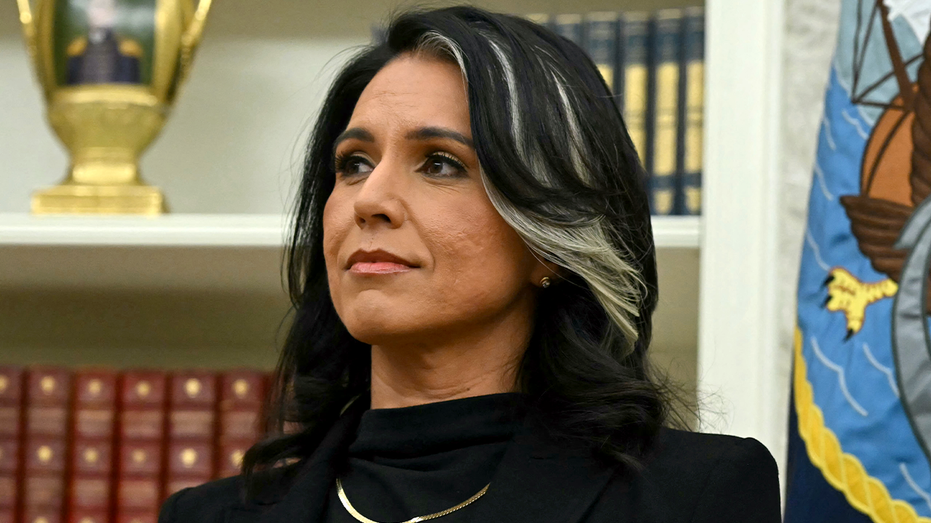

Tina Peters and the New Battle Line Between Political Speech and Election Crime

Sarah Johnson
December 9, 2025
Brief
The Tina Peters ruling is more than a local election case; it’s a test of how U.S. courts separate protected political speech from criminal conduct and how states resist national partisan pressure.
Why the Tina Peters Ruling Is a Stress Test for America’s Democracy, Not Just Another Election Case
The federal court’s refusal to release former Colorado clerk Tina Peters isn’t just a procedural setback for a single defendant. It’s a revealing moment in three overlapping battles: the legal limits of “election denial” as political speech, the resilience of state election systems under pressure, and the growing use of the term “political prisoner” to delegitimize the justice system itself.
By declining to intervene, U.S. Magistrate Judge Scott Varholak effectively handed the next move back to Colorado’s courts, while signaling that Peters’ case raises serious constitutional questions about whether her sentence was influenced by her protected speech. That tension—between criminal conduct and political expression—is precisely where U.S. democracy is being tested in the post-2020 era.
The bigger picture: From Bush v. Gore to the post-2020 “election integrity” crusade
To understand why a county clerk’s nine-year sentence has drawn national attention, it helps to look at how U.S. election disputes have evolved over the past quarter century.
- 2000 – Bush v. Gore: The contested presidential election was fought largely through formal legal channels and court challenges. Faith in institutions was strained but ultimately preserved; both sides accepted the Supreme Court’s decision, however bitterly.
- 2016 – Foreign interference vs. vote systems: Concerns focused on disinformation and foreign cyber activity, not local officials breaching their own systems. The idea that an insider would facilitate an unauthorized system copy to “prove fraud” was not on the public radar.
- 2020 – Systemic “stop the steal” narrative: For the first time in modern history, a sitting president repeatedly claimed—without evidence—that the election was “rigged.” Those claims moved from social media into organized efforts to access voting equipment in several states, including Colorado, Michigan, and Georgia.
Tina Peters comes out of that last wave. As Mesa County clerk, she allegedly allowed unauthorized individuals to copy and distribute voting system software during a secure update. That data later appeared on fringe sites and at a prominent “election integrity” conference. Authorities argued this wasn’t whistleblowing; it was a serious breach that compromised election security and cost taxpayers millions in equipment replacement and security reviews.
Her conviction and nine-year state sentence have made her one of the most high-profile examples of what happens when local officials fuse personal political beliefs with custodial power over elections—and cross legal lines in the process.
Speech vs. conduct: The core constitutional tension
Judge Varholak’s order highlights a crucial distinction: Peters’ lawsuit doesn’t claim she was prosecuted solely for her beliefs; it argues her sentence may have been enhanced because of her protected speech as an election denier and outspoken Trump ally. That’s a narrower, and more complicated, claim than simply saying she’s a “political prisoner.”
In U.S. law, the line between speech and conduct is central:
- Protected: Saying, “I think the 2020 election was stolen,” organizing rallies, posting on social media, even endorsing conspiracy theories—however false—are generally protected by the First Amendment unless they cross into direct incitement or specific criminal activity.
- Unprotected conduct: Breaching secure election systems, allowing unauthorized access to voting machines, tampering with logins, or disseminating sensitive software are all actions that can be criminal, regardless of the political motive.
Peters’ lawyers are effectively arguing that the judge and prosecutors, in sentencing her, punished not just what she did but what she said and believed, leading to an excessive sentence. Varholak isn’t ruling on whether they’re right; he’s saying federal courts must wait until Colorado’s appellate courts decide that question. This reflects a long-standing doctrine—Younger abstention—that limits federal interference in ongoing state proceedings.
This abstention is critical for federalism: if every high-profile state criminal sentence could be immediately relitigated in federal court under a First Amendment banner, state authority over criminal law would be dramatically weakened.
What this case really reveals about election security and local power
Peters’ case is a vivid example of a broader vulnerability that election experts have been warning about since 2020: insider threats. For decades, election security efforts focused on external hackers, foreign actors, and software vulnerabilities. After 2020, a different risk emerged—trusted insiders who don’t trust the system.
Three trends are colliding here:
- Politicization of local election officials: Historically, county clerks and election directors worked mostly below the political radar. Since 2020, many have become targets of partisan pressure, harassment, and recruitment by activist movements. Some, like Peters, have aligned themselves loudly with national figures.
- Conspiracy-driven access attempts: In several states, officials or activists sought physical or digital access to machines to “find the fraud,” often based on debunked claims about software manipulation. Each breach forces expensive responses—new machines, forensic audits, and tighter security protocols.
- Fear of a chilling effect: Election workers and administrators are watching the Peters case closely. A serious sentence may deter others from crossing legal lines, but it may also deepen mistrust among those who already believe the system is corrupt and see Peters as a martyr.
From a systems perspective, the message from prosecutors and Colorado officials is clear: you can criticize the election, but you cannot compromise the equipment you are entrusted to protect.
Trump’s “political prisoner” narrative and its strategic function
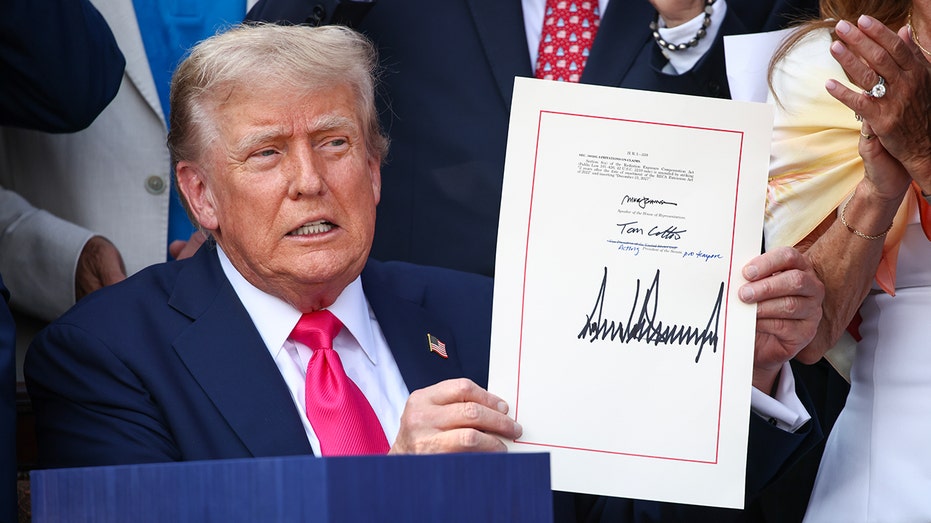
Donald Trump’s characterization of Peters as an “innocent Political Prisoner” subjected to “Cruel and Unusual Punishment” is part of a broader rhetorical strategy he has used around January 6 defendants and allies facing legal trouble. The language serves several political purposes:
- Delegitimizing institutions: Labeling state prosecutions as “Communist persecution” frames the justice system itself as partisan and corrupt. If accepted by supporters, any adverse ruling becomes proof of the conspiracy, not evidence against it.
- Creating symbolic martyrs: Elevating Peters—described as a grandmother and Gold Star mother—as a victim helps personalize and emotionalize abstract narratives about “election crimes.” It reframes alleged wrongdoing as sacrifice.
- Applying pressure on state actors: Public declarations that she should be freed put indirect pressure on Colorado’s governor and courts, even if they have no formal role in the federal proceeding at issue.
But there’s an important twist: this is a state case. The federal Department of Justice has limited authority here, and Colorado’s Democratic governor, Jared Polis, has explicitly said he will not use his pardon power to broker any deal that undermines accountability under state law. That makes Peters’ case an arena where Trump’s national political influence collides with the decentralized realities of American federalism.
Data and patterns: How unusual is this sentence?
Reliable, comprehensive national data on sentences for election-system breaches is limited because such cases are relatively rare and often prosecuted under a patchwork of state laws. But we can make several grounded observations:
- Severity reflects role and impact: When insiders—officials with custodial responsibility—are convicted of compromising voting systems, prosecutors often emphasize deterrence. The goal is to send a clear signal to other officials who might be tempted to treat conspiracy theories as justification for unauthorized access.
- Rarity of local-official convictions: While there have been multiple incidents of unauthorized access attempts since 2020, only a handful have resulted in significant criminal convictions of officials themselves. Peters stands out precisely because she is one of the highest-ranking local officials to face and receive a substantial prison term.
- Long-term costs of breaches: State and local governments typically must decertify and replace compromised machines, retrain staff, and conduct audits. These costs can run into millions of dollars per county, shifting the calculus of what courts and prosecutors view as “serious” harm.
In that context, nine years is both a signal about deterrence and a potential flashpoint for appeals claiming that political speech and profile influenced the outcome.
What Colorado’s handling says about state resistance to national pressure
Colorado has emerged as a kind of test state for how far local and state institutions will go to protect election infrastructure from insider threats while under intense national scrutiny. Several key choices stand out:
- Criminal prosecution rather than quiet removal: Instead of quietly sidelining Peters or treating the breach as an internal administrative issue, state authorities pursued a high-profile prosecution. That aligns with a broader national pattern of trying to make insider breaches an example, not a footnote.
- Public stance by the governor: Governor Polis’ categorical refusal to consider a pardon as part of any deal with Trump is a direct assertion of state independence. It tells voters—and national actors—that state law will not be bargained away for federal political convenience.
- Reliance on appellate process: Varholak’s decision to wait for Colorado courts to handle the First Amendment issue underscores the expectation that state courts, not federal judges, should first examine whether the sentence improperly considered Peters’ speech.
At a time when many voters are questioning whether institutions will bend to partisan pressure, these moves are part of a broader attempt to demonstrate that state-level rule of law still has teeth.
Looking ahead: What to watch next
The future significance of this case depends on several still-unfolding developments:
- Colorado appellate rulings: If state courts find that Peters’ sentencing improperly relied on her political speech, it could reshape how prosecutors and judges talk about motive and ideology in similar cases nationwide.
- Copycat or deterrence effect: Will this sentence discourage election officials from attempting similar breaches, or will right-wing activist circles use it to recruit more aggressively by portraying Peters as a martyr?
- Federal–state friction: If a future federal administration attempts to intervene more aggressively in state-level election-related prosecutions, Peters’ case could become an early precedent and rallying symbol.
- 2024 and 2026 election cycles: Expect this case to resurface whenever new controversies about voting machines or “election integrity” emerge, particularly in states where local officials are elected on explicitly partisan platforms.
The bottom line
The refusal to release Tina Peters is about more than one defendant’s freedom. It is a test of how American law distinguishes between protected political speech and criminal acts cloaked in the language of “election integrity.” It also shows how state institutions can resist national political pressure—at least for now—and how the rhetoric of political persecution is being normalized around election-related prosecutions.
Whatever one’s view of Peters’ politics, the stakes here are institutional: if insider breaches become normalized as “patriotic” investigations, the basic trust that allows Americans to accept election results—win or lose—will erode further. If, on the other hand, sentences like Peters’ are seen as ideologically driven rather than legally grounded, a different kind of trust will collapse: faith that the justice system can fairly apply the law in a hyper-partisan age.
How Colorado’s courts resolve the First Amendment questions around her sentencing will shape that balance far beyond Mesa County—and may serve as a template for how the country handles the next wave of contested elections.
Topics
Editor's Comments
One underappreciated aspect of the Tina Peters case is what it signals to a specific audience: the growing cadre of ideologically motivated local officials who now see themselves less as neutral administrators and more as partisan guardians. For that group, traditional ethics training and procedural rules often feel secondary to a higher political mission. When they believe the system is fundamentally corrupt, legal boundaries can look like obstacles rather than safeguards. This is why the First Amendment dimension matters so much. If courts are too deferential to law enforcement rhetoric about “sending a message,” they risk turning people with unpopular political views into symbols of overreach, feeding recruitment narratives in fringe networks. If, on the other hand, courts shy away from meaningful punishment for clear, documented breaches of duty, they effectively normalize vigilantism within the machinery of elections. The challenge is to craft transparent, well-reasoned opinions that explain exactly where speech ends and crime begins—and to do so in a language that can withstand not just legal scrutiny, but the distortions of a permanently online, hyper-partisan media ecosystem.
Like this article? Share it with your friends!
If you find this article interesting, feel free to share it with your friends!
Thank you for your support! Sharing is the greatest encouragement for us.