Alaska Natives Drive Senate Reversal on Arctic Drilling: Beyond Environmental Orthodoxy

Sarah Johnson
December 6, 2025
Brief
An in-depth analysis of Alaska Natives' support for reopening Arctic drilling in ANWR, revealing complex Indigenous perspectives that challenge conventional environmental narratives.
Opening Analysis
The Senate’s recent use of the Congressional Review Act to overturn Biden-era restrictions on Arctic oil drilling marks a pivotal shift in the long-standing battle over the Arctic National Wildlife Refuge (ANWR). Contrary to the typical alignment where environmental advocates and progressive lawmakers oppose drilling in ANWR, this case reveals a significant fracture: Alaska Native communities, long sidelined in energy debates, are affirmatively championing responsible resource development as a means of asserting self-determination and economic survival. This divergence challenges simplistic narratives and calls for deeper scrutiny into who truly holds stakes in fragile Arctic landscapes and why.
The Bigger Picture
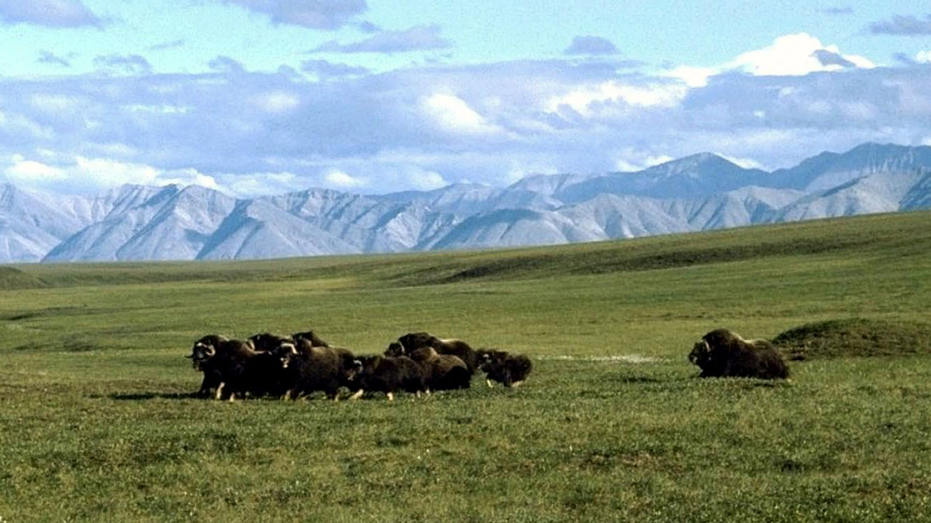
Since the establishment of ANWR in 1980, the refuge has been a flashpoint that encapsulates the tension between conservation priorities and resource extraction ambitions. The refuge spans more than 19 million acres of tundra, home to diverse wildlife and Indigenous peoples, particularly the Iñupiat of Kaktovik. Historically, federal policy swung between protection and opening for development, as energy security became an increasing priority during the late 20th and early 21st centuries.
The Trump administration aggressively pursued energy dominance through Arctic drilling initiatives, which involved lifting moratoria and expanding lease sales. The Biden administration, by contrast, imposed stricter regulations aiming to safeguard the ‘‘fragile ecosystem’’ and global climate commitments. This policy rollback met resistance locally, signaling a disconnect between federal environmental objectives and Indigenous economic aspirations.
What This Really Means
The Senate’s reversal significantly reframes the debate by spotlighting Indigenous agency that has often been overlooked. Groups like VOICE (Voice of the Arctic Iñupiat) and local leaders in Kaktovik emphasize that responsible drilling is not simply about profit—it is integral to community self-reliance and cultural preservation amid economic marginalization.
This development undermines the prevalent assumption that all Indigenous stakeholders uniformly oppose Arctic drilling. Instead, it highlights divergent local versus national environmental priorities and exposes tensions within the environmental justice discourse, which sometimes inadvertently sidelines Indigenous economic voices in favor of conservationist agendas.
From a regulatory standpoint, critics warn that overturning Biden-era rules through the Congressional Review Act risks ‘‘legal and regulatory chaos’’ by abruptly disrupting a complex system of environmental review processes. Yet supporters argue that such reversals correct ‘‘lawless lockdowns’’ that ignored local consent and input.
Expert Perspectives
Environmental law expert Dr. Margaret Wilkins of the University of Alaska argues, "This Senate vote reveals a critical shortcoming in federal environmental policy: neglecting meaningful engagement with Indigenous communities leads to policies that are not only ethically questionable but practically unsustainable. True stewardship must balance ecological protection with Indigenous sovereignty and livelihoods."
Conversely, Dr. Samuel Green, a conservation biologist, cautions, "Opening ANWR to large-scale drilling carries irreversible risks for one of North America’s last intact wild ecosystems. The cultural importance of the refuge extends beyond economics and must factor prominently in policymaking."
Energy policy analyst Linda Martinez sees the move as a pragmatic alignment: "This decision reflects broader geopolitical realities. As global demand for oil persists and energy security concerns mount, incorporating local voices that see economic opportunities in development is crucial for crafting durable energy strategies in the Arctic."
Data & Evidence
- ANWR’s coastal plain holds an estimated 10.4 billion barrels of technically recoverable crude oil, according to the U.S. Geological Survey.
- The Kaktovik community comprises roughly 250 residents; local employment rates have hovered below national averages, with limited economic diversification apart from subsistence activities.
- Indigenous groups represent a growing political force, with VOICE and allied organizations increasingly successful in influencing congressional decisions regarding Alaskan resource development.
- Since 1980, drilling moratoria and protections have fluctuated substantially, reflecting broader U.S. energy policy oscillations tied to external economic pressures and political administration changes.
Looking Ahead
The Senate’s decision ushers in new complexities for the future of Arctic energy development. As lease sales resume and exploration expands, monitoring environmental impacts alongside community benefits will be paramount. The emphasis on Indigenous leadership suggests a potential paradigm shift toward more localized and nuanced resource governance, but it also raises questions about balancing economic gains with ecosystem preservation amid accelerating climate change.
Legally, expect protracted litigation and regulatory challenges as opponents seek to enshrine ANWR protections legislatively, while proponents push development forward. The national stage will keenly observe Alaska’s unfolding experiment in reconciling environmental stewardship with Indigenous-driven economic development.
The Bottom Line
This episode highlights a critical but often ignored dimension of environmental policymaking: the heterogeneous priorities within Indigenous communities regarding land use and resource management. Far from monolithic stakeholders, Alaska Natives demonstrate sophisticated positions emphasizing economic self-determination that complicate binary narratives of conservation versus development. The Senate’s rollback is more than a political victory; it is a call to rethink how we engage and incorporate Indigenous voices in shaping America’s energy future and Arctic stewardship.
Topics
Editor's Comments
The Senate's vote reveals the often overlooked complexity within Indigenous communities themselves, challenging the commonplace portrayal of a monolithic ‘Indigenous environmentalist’ stance. It raises important questions about whose voices federal policies privilege and the risks of proxy battles where Indigenous economic aspirations become overshadowed by national political agendas. As climate change reshapes the Arctic, balancing environmental protection with genuine local autonomy will remain a fraught but essential task. This moment demands a more sophisticated engagement with Indigenous sovereignty—one that goes beyond token consultation to empower communities as leaders in shaping their futures.
Like this article? Share it with your friends!
If you find this article interesting, feel free to share it with your friends!
Thank you for your support! Sharing is the greatest encouragement for us.