Beyond Coldness: What Gwyneth Paltrow’s ‘Icy’ Reputation Reveals About Privilege, Perception, and Persona

Sarah Johnson
December 4, 2025
Brief
This analysis explores Gwyneth Paltrow’s complex public persona, examining how privilege, psychology, and media narratives shape her ‘icy’ reputation and what it reveals about celebrity culture today.
Why Gwyneth Paltrow's 'Icy' Reputation Reveals More Than Celebrity Persona
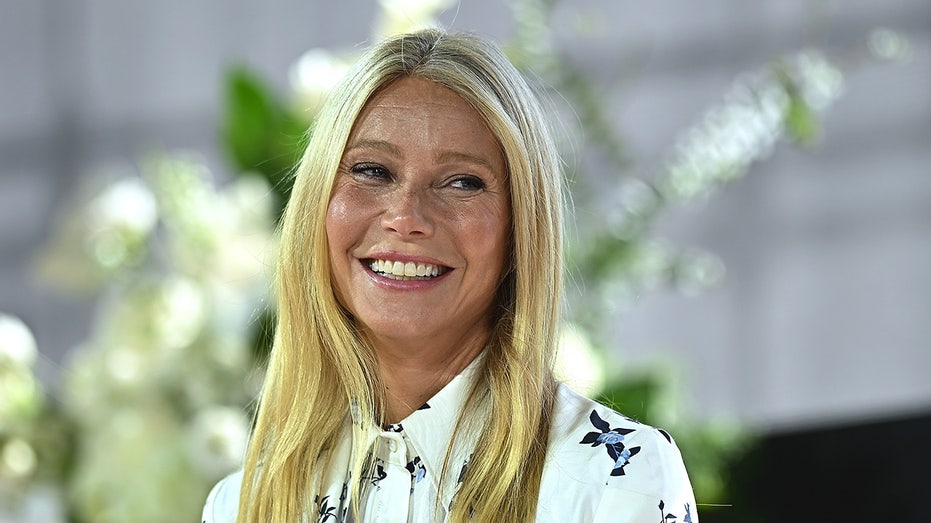
When Gwyneth Paltrow openly acknowledges the "icy" reputation that has shadowed her for years, it invites a deeper conversation about celebrity culture, identity construction, and public perception shaped by privilege and media narratives. Beyond tabloid sensationalism, Paltrow’s reflections offer a rare lens into how socio-economic background, personal psychology, and professional pressures intersect to create complex public personas that often defy simplistic judgment.
The Bigger Picture: Privilege, Heritage, and the Making of a Public Image
Born into a lineage steeped in American elite traditions—"Mayflower-ish roots," a WASPy mother, and ties to cultural icons like Steven Spielberg—Paltrow’s upbringing set the stage for the persona she both embodies and challenges. Such entrenched privilege is a double-edged sword; it confers status and opportunity but also creates expectations of comportment and narrative that may be constraining.
The phenomenon of an "unreachable" quality, desirable to a film director seeking to capture a certain character aura, is reflective of how these upper-class traits—aloofness, reserve, control—are mythologized in American culture. It echoes longstanding societal narratives around class, elitism, and emotional expression, dating back to early American history and the symbolic gatekeeping of cultural capital. This heritage profoundly informs Paltrow's social interactions and public persona, influencing why she may appear cold or distant in both mundane and professional settings.
What This Really Means: The Psychological and Cultural Dimensions
Paltrow’s candid discussion about the "trauma" of public misperception spotlights an often overlooked burden of celebrity: the dissonance between lived experience and public projection. The psychological toll from constantly being filtered through distorted media lenses adds layers to our understanding of celebrity mental health.
Her description of therapy work engaging with the "evil shadow"—the repressed rage and defiance within—reflects a healthy yet radical approach to reclaiming agency over one’s narrative. It highlights the wider cultural conversation about authenticity and self-care in the age of relentless public scrutiny amplified by social media and 24/7 news cycles. Paltrow’s journey illustrates the challenge faced by many public figures: how to maintain personal integrity when public opinion wildly diverges from one’s true self.
This struggle also raises questions about societal complicity in perpetuating reductive celebrity archetypes, forcing figures into "boxes" that serve consumption more than truth. The cultural obsession with Paltrow’s personal life since launching Goop underscores how shifts in media landscape—from traditional outlets to newsletters and beyond—can amplify both authentic expression and criticism, often without nuance.
Expert Perspectives: Insights from Biographers and Psychologists
Biographer Amy Odell’s research revealing Paltrow as "one of the most resented celebrities" but also acknowledging her charisma and strategic acumen reveals the paradox of her public persona. Odell’s emphasis on the parental legacy and how it shaped Paltrow’s intellectual and aesthetic sensibilities underscores the intergenerational transmission of personality traits and social position.
From a psychological perspective, Paltrow’s Enneagram type 1 characterization suggests a deep internal drive for moral clarity and correctness, which may heighten sensitivity to public judgment and misrepresentation. This internal conflict between high personal standards and external criticism offers insight into her therapeutic focus on embracing shadow emotions, an approach aligned with contemporary psychotherapy’s emphasis on self-acceptance and integration of difficult feelings.
Data & Evidence: Celebrity Reputation and Media Dynamics
Studies on celebrity reputation demonstrate that public figures with privileged backgrounds often face polarized perceptions, oscillating between admiration for their success and resentment for perceived elitism. Surveys by Pew Research Center and media analysts indicate that wealthy public figures tend to encounter skepticism about authenticity, which is magnified in digital spaces where image management is constant.
Moreover, cultural analyses reveal that female celebrities who embody authority and control are disproportionately labeled as "cold" or "aloof" compared to their male counterparts, reflecting persistent gender biases in cultural narratives. Paltrow’s case aligns with these patterns and invites broader examination of how gender and class intersect to affect public reception.
Looking Ahead: Implications for Celebrity, Culture, and Identity
Paltrow’s evolution—from actress to wellness entrepreneur and cultural lightning rod—exemplifies a shift in celebrity paradigms where figures must not only perform but also navigate complex brand identities that merge personal and professional realms. As media consumption continues fragmenting and audiences demand more "authenticity," public figures will increasingly explore methods like therapy and public vulnerability to resist reductive interpretations.
Her remarks invite future discussions about how privilege shapes public persona in the digital age, how therapeutic concepts can support resilience under scrutiny, and how cultural criticism can move beyond simplistic labels to understand the human complexity beneath celebrity facades.
The Bottom Line
Gwyneth Paltrow’s acceptance of her "icy" reputation opens a window into how social background, cultural narratives, and psychological processes combine to shape the public and private self of a high-profile figure. Her journey challenges us to look past surface impressions, understand the deep causes of public perception, and reconsider how society engages with celebrity humanity beyond caricature.
Topics
Editor's Comments
Gwyneth Paltrow’s admission about her ‘icy’ reputation offers a valuable case study in how narratives of privilege, identity, and media shape public personas. It challenges readers to reconsider how much we attribute to personal character versus structural factors such as class, gender expectations, and media framing. In highlighting her therapeutic work with the ‘evil shadow,’ Paltrow models a proactive way for public figures to navigate the emotional complexities of fame—an approach that deserves wider recognition and understanding. The cultural discussion this invites extends beyond celebrity gossip, prompting reflection on how society engages with difference, complexity, and authenticity in highly scrutinized individuals.
Like this article? Share it with your friends!
If you find this article interesting, feel free to share it with your friends!
Thank you for your support! Sharing is the greatest encouragement for us.