Beyond Technology: How Diabetic Alert Dogs Outsmart Medical Devices in Detecting Blood Sugar Crashes

Sarah Johnson
December 3, 2025
Brief
Exploring how diabetic alert dogs detect dangerous blood sugar changes before medical devices reveals the limits of technology and the power of biological sensing in diabetes care.
Opening Analysis
The story of diabetic alert dogs detecting dangerous blood sugar fluctuations before medical devices highlights a compelling intersection of biology, technology, and human-animal partnership. As continuous glucose monitors (CGMs) and insulin pumps revolutionize diabetes care, these dogs offer a unique and complementary form of early warning that can be lifesaving. Understanding why and how dogs can outperform sophisticated electronics in some scenarios reveals deeper insights about the limitations of current medical technology and the potential for multisensory, biologically based detection systems in chronic disease management.
The Bigger Picture
Diabetes mellitus, affecting over 34 million Americans, is a chronic condition that impairs the body's ability to regulate blood glucose. Type 1 diabetes is an autoimmune destruction of insulin-producing beta cells, while Type 2 diabetes involves insulin resistance often associated with lifestyle factors. Since the introduction of blood glucose meters in the 1970s and more recent CGMs, technology has dramatically improved glucose monitoring, reducing severe hypoglycemic events and complications.
However, despite rapid advances—including AI algorithms predicting trends—there remains an inherent lag in sensor data, largely because CGMs measure interstitial fluid glucose levels, which change more slowly than blood glucose. This delay can be critical, especially for children or individuals with hypoglycemia unawareness, who may not sense dangerous lows quickly enough to respond.
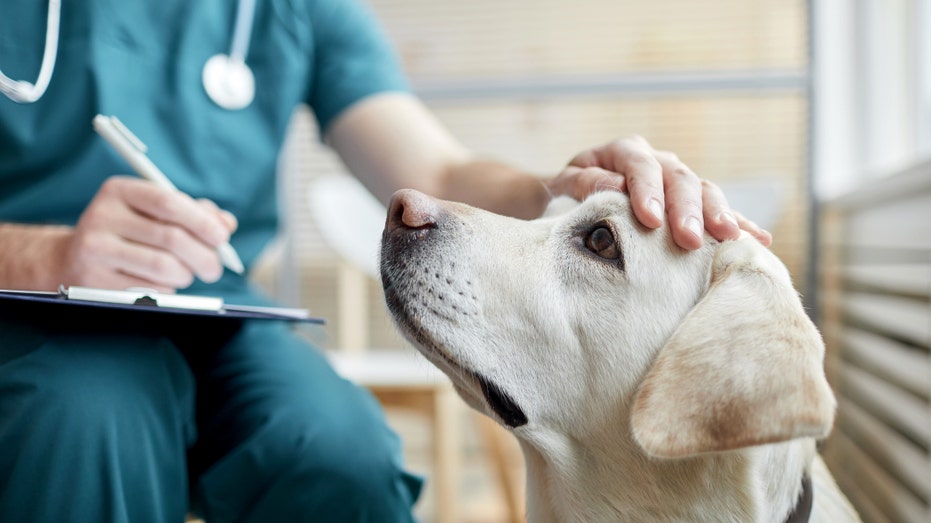
Biological olfaction, a sense lost in conventional devices, remains incredibly sophisticated. Dogs, with up to 300 million olfactory receptors compared to humans' five million, can detect minute chemical changes in body odor caused by metabolic shifts. This capability has long been recognized—dogs have been used to sniff out cancers, infections, and other diseases. Applying this power to diabetes is a growing frontier, representing a kind of 'bio-sensor' that complements traditional devices.
What This Really Means
This narrative spotlights several key implications:
- Technological limits and human biology: The physiological processes that medical sensors track have inherent delays, whereas dogs may detect subtle volatile organic compounds (VOCs) emitted in real time due to hormonal changes associated with hypoglycemia or hyperglycemia. This underscores that technology, though powerful, cannot fully replicate the dynamic range of biological systems.
- Personalized care and emotional support: Diabetic alert dogs provide not just clinical warnings but emotional reassurance and companionship, particularly valuable for children like Kennedy Berce. This dual role underscores the importance of holistic approaches to chronic disease management beyond just monitoring numbers.
- Economic and practical considerations: While CGMs and pumps can cost thousands annually and require disposable sensors, trained service dogs also require significant investment in training and care, raising questions about accessibility and insurance coverage. Optimizing integrated approaches that combine technology and animal assistance could improve outcomes cost-effectively.
- Ethical and training challenges: Diabetic alert dogs do not measure blood sugar levels precisely; their alerts are probabilistic and require consistent reinforcement to maintain accuracy. This limitation highlights the need for ongoing validation studies, standards, and informed expectations when integrating animal-assisted interventions.
Expert Perspectives
Dr. Frank Dumont, executive medical director at Virta Health, highlights the physiological lag in glucose sensing technology and the dog's ability to detect real-time hormonal changes before sensors do. This insight points to intrinsic biological kinetics that no device can yet overcome.
Jessica Pierce, DVM, Animal Behaviorist, notes, "The olfactory detection by dogs taps into complex biochemical signals in sweat and breath that are invisible to electronics. However, maintaining a dog's training and motivation requires dedicated effort and is not a plug-and-play solution." Their approach must be part of a comprehensive care strategy.
Dr. David Klonoff, diabetes technology expert, remarks, "Continuous glucose monitors have improved safety tremendously, but users should be aware of sensor lag and calibration challenges. Pairing technology with biological detection—like diabetic alert dogs—could represent a hybrid model for future diabetes management."
Data & Evidence
- According to the CDC, nearly 1.6 million Americans have Type 1 diabetes, many of whom are children vulnerable to hypoglycemic events.
- Studies suggest CGM sensors can lag behind blood glucose readings by 5-15 minutes due to physiological diffusion delays, sometimes longer under certain conditions.
- Clinical case reports and pilot studies indicate diabetic alert dogs can detect hypoglycemia episodes 10-30 minutes before CGMs in some cases, although exact sensitivity/specificity varies by training.
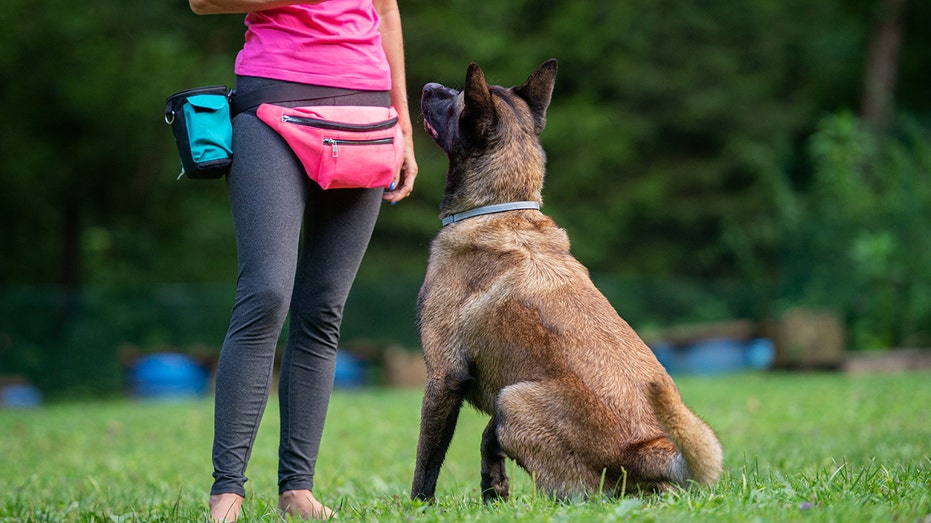
- Training dogs for diabetes scent detection requires 8-12 weeks initially plus continuous reinforcement; cost estimates range from $10,000 to $20,000 per dog.
- Research into volatile organic compounds associated with hypoglycemia identifies chemicals such as isoprene and acetone that dogs may detect, though standardized chemical markers are still being studied.
Looking Ahead
Looking forward, several trends merit close attention:
- Technological innovation: Next-generation biosensors integrating scent detection principles or advanced chemical sensors could close the gap between biological and electronic monitoring.
- Hybrid care models: Combining AI-augmented CGMs with trained diabetic alert dogs could create multilayered safety nets, especially for pediatric and high-risk patients.
- Insurance and policy frameworks: Recognition of service animals in diabetes could expand, but requires regulatory standards, certification, and evaluation protocols to ensure equitable access.
- Expanded research: Larger clinical trials are needed to quantify benefits, limitations, and cost-effectiveness of diabetic alert dogs and to identify ideal candidates for this form of management.
Ultimately, this story reflects a broader societal trend toward personalized and integrative health care that embraces both cutting-edge technology and time-honored animal-human partnerships.
The Bottom Line
Diabetic alert dogs exemplify how biological senses can complement and even surpass current medical technologies in critical moments. While not a replacement for continuous glucose monitoring, these canine companions provide life-saving early alerts and emotional support that enhance diabetes management. Their success underscores the need for continued innovation, hybrid approaches, and holistic care models that acknowledge the irreplaceable value of multisensory intelligence beyond algorithms and screens.
Topics
Editor's Comments
This story reveals the fascinating gap between advanced medical technology and the nuanced biological sensing of trained animals. It challenges the assumption that technology alone is the future of chronic disease management by highlighting the irreplaceable value of multisensory intelligence in a real-world, human context. It raises important questions about how healthcare systems can integrate these complementary approaches, balance costs, and support families relying on these remarkable dogs. Tracking how regulatory frameworks evolve around medical alert animals and whether emerging tech can someday mimic or even augment this olfactory ability will be critical. For now, diabetic alert dogs remind us that sophisticated human-animal bonds remain a vital, life-saving frontier.
Like this article? Share it with your friends!
If you find this article interesting, feel free to share it with your friends!
Thank you for your support! Sharing is the greatest encouragement for us.