
Beyond the Headlines: Analyzing the ICE Arrest of an Azerbaijani National with Multiple Criminal Convictions

Sarah Johnson
December 6, 2025
Brief
An in-depth analysis of the ICE arrest of an Azerbaijani national with criminal convictions reveals the complex intersection of immigration enforcement, geopolitical risks, and public safety implications.
Why the Arrest of an Azerbaijani National on Criminal Charges Resonates Beyond the Headlines
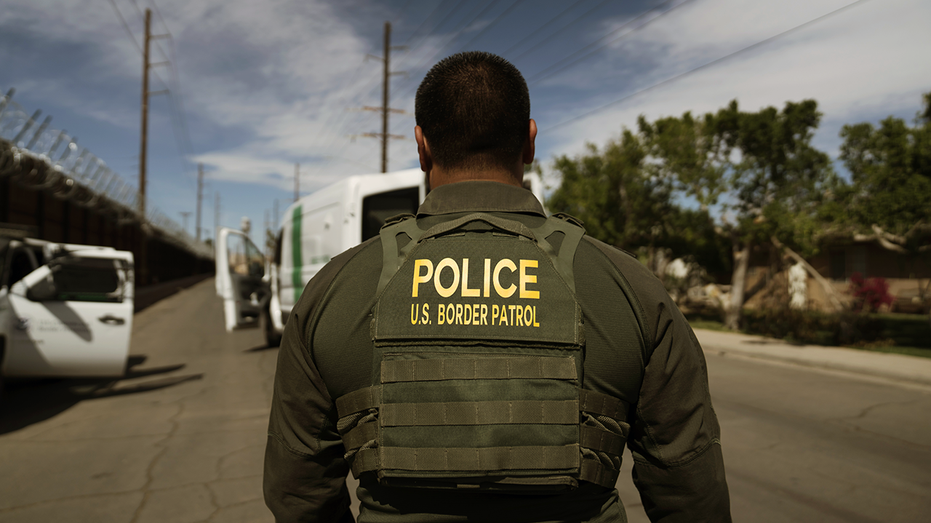
The recent arrest by U.S. Immigration and Customs Enforcement (ICE) of Rafael Vladimirovi Sarkisyan, an Azerbaijani national with multiple criminal convictions, might seem like a straightforward immigration enforcement story on the surface. But beneath the immediate facts lies a complex web of issues involving immigration policy, international security concerns, and the social integration of foreign nationals with criminal backgrounds. This incident offers a revealing window into the challenges facing U.S. immigration enforcement, the geopolitical risks linked to Azerbaijan, and broader debates around crime, border control, and community safety.
The Bigger Picture: Context on Azerbaijan and U.S. Immigration Enforcement
Azerbaijan occupies a strategic role geopolitically as a South Caucasus nation bordering Russia, Iran, and Turkey. Its recent history is marked by conflict over Nagorno-Karabakh, a territorial dispute that flared into armed hostilities in 2023. Azerbaijan’s volatile security environment has led the U.S. Department of State to issue travel advisories citing terrorism risks—including attacks on public spaces such as markets and government buildings.
The rise of international terrorism considerations within immigration enforcement frameworks complicates cases like Sarkisyan’s. While ICE identified him primarily based on criminal activity—animal cruelty, arson, and drug manufacture—the geopolitical context adds layers of concern about potential security threats from nationals originating from conflict zones or unstable regions.
In the broader history of U.S. immigration policy, the intersection of criminal convictions and immigration status has always been fraught. For decades, legislation such as the Immigration and Nationality Act has stipulated grounds for removal based on criminality, but enforcement and discretion have often fluctuated depending on administration priorities and political climate. ICE’s active pursuit of individuals with violent or dangerous criminal histories reflects an emphasis on internal safety but also raises questions around due process, evidence standards, and integration potential.
What This Really Means: Implications for Policy and Public Perception
The arrest of an immigrant with multiple serious criminal convictions echoes ongoing debates about the security risks posed by non-citizens with criminal records. The inclusion of animal cruelty and arson as noted crimes is significant. Animal cruelty in particular has been linked by criminal psychology research to broader violent tendencies, often signaling underlying behavioral issues requiring intervention.
This arrest, publicized amid heightened sensitivity about security threats from abroad, may fuel political narratives advocating stricter immigration enforcement and heightened screening of individuals arriving from conflict-affected regions. However, the case also spotlights gaps in immigration system screening processes. How did someone with a history of manufacturing controlled substances and arson enter and remain in the country? What were the failings or insufficiencies in surveillance, border control, or judicial system coordination?
Moreover, the intersection of international terrorism advisories about Azerbaijan and the arrest of an Azerbaijani national raises nuanced questions. Although the news does not indicate any terrorism link in Sarkisyan’s case, conflating criminality with terrorism risk can exacerbate stigmatization of immigrant communities and complicate diplomatic relations. Analysts warn of the dangers of overgeneralization, which could alienate immigrant populations and undermine trust in law enforcement efforts.
Expert Perspectives
Dr. Emily Cortez, an immigration law scholar at Georgetown University, notes, "Cases like this exemplify the challenges ICE faces in balancing civil liberties with security mandates. While criminal convictions justify removal proceedings, the agency must also maintain rigorous standards to avoid conflating crime with ethnicity or geopolitical background."
From a security standpoint, Mark Feldman, a former Department of Homeland Security analyst, highlights: "Azerbaijan occupies a sensitive geopolitical position, and terrorism advisories reflect evolving threat assessments. However, individual cases should not be reflexively linked to those advisories without clear intelligence indicating such ties."
Animal behavior specialist Dr. Karen Liu adds, "Cruelty to animals is often an early indicator of broader violent behavior patterns. Law enforcement agencies and immigration authorities need training to recognize behavioral red flags beyond legal convictions and apply interventions appropriately."
Data & Evidence: Trends in Immigration and Crime
Statistical data on crime rates among immigrant populations generally show that immigrants are less likely to commit crimes than native-born residents. However, individuals involved in repeated criminal activities, especially violent or dangerous offenses, pose legitimate public safety concerns. According to the Department of Justice, less than 10% of federal prosecutions involve non-citizens, but within that, drug trafficking, violent crime, and recidivism represent focal points for enforcement.
In recent years, ICE removals related to criminal convictions have increased by over 15%, reflecting prioritization of public safety in immigration policy. However, oversight reports indicate inconsistent data sharing between local law enforcement and federal immigration agencies hampers effective tracking of individuals with hazardous backgrounds.
Looking Ahead: What to Watch
This arrest points toward several future developments to monitor:
- Policy Tightening: The federal government may adopt stricter vetting mechanisms for immigrants from regions flagged for terrorism risks, including enhanced biometric data collection and interagency information sharing.
- Criminal Justice Coordination: Calls for better collaboration between local criminal justice systems and ICE will likely intensify to manage offenders who pose compound risks.
- Community Relations: Strategies to counter potential backlash or ethnic profiling need amplification to maintain immigrant community trust and social cohesion.
- Geopolitical Stability Impact: Ongoing tensions and future peace initiatives in the South Caucasus will influence migration patterns and associated security considerations.
The Bottom Line
While the arrest of Rafael Vladimirovi Sarkisyan highlights immediate concerns of crime and immigration enforcement, the story’s significance extends into larger terrain—how America navigates the fine line between security and fairness, the influence of distant geopolitical conflicts on domestic policy, and the importance of nuanced analysis beyond headlines. It underscores that immigration cases tied to criminality cannot be stripped of context, lest policies become reactive rather than strategic, potentially undermining core societal values and security objectives.
Topics
Editor's Comments
This case underscores the intricate challenge of immigration enforcement when national security, criminal justice, and humanitarian concerns overlap. The inclusion of Azerbaijan’s geopolitical volatility adds complexity often overlooked in standard coverage. It raises critical questions about how U.S. agencies can better integrate intelligence and legal systems to both safeguard communities and uphold due process. Furthermore, it reminds us of the human dimension behind immigration enforcement—where individuals’ backgrounds intersect with broader political tensions and societal fears. The risk remains that simplification of these stories fuels divisiveness rather than informed policy debate. Continued scrutiny of how such cases are handled will be essential as immigration policy evolves.
Like this article? Share it with your friends!
If you find this article interesting, feel free to share it with your friends!
Thank you for your support! Sharing is the greatest encouragement for us.