Beyond the Sideline: What Jaxson Dart’s Rumored Romance Says About the NFL’s New Celebrity Era

Sarah Johnson
December 8, 2025
Brief
Jaxson Dart’s rumored romance with model Marissa Ayers isn’t just gossip. It exposes how the NFL, social media, and celebrity culture are converging to reshape athletes’ careers, brands, and scrutiny.
What Jaxson Dart’s Rumored Romance Reveals About the NFL’s New Celebrity Machine
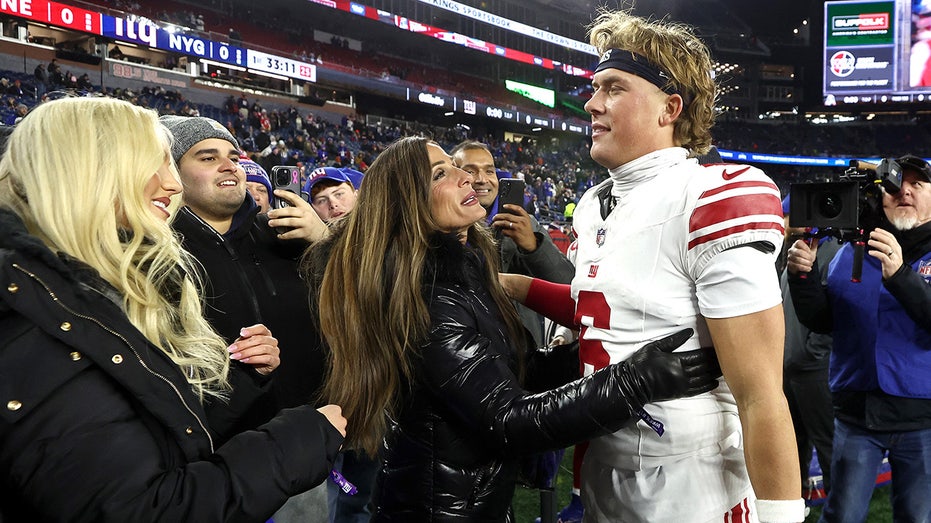
On its face, the story is simple: New York Giants rookie quarterback Jaxson Dart is rumored to be dating model and ring girl Marissa Ayers, a social media star with millions of followers. She appears on the sideline, takes photos with his mother, and the internet does what the internet does: speculates, amplifies, and turns a private relationship into public content.
But this isn’t really a story about who is dating whom. It’s a story about how the NFL is evolving into a fully integrated celebrity ecosystem—where rookie quarterbacks are not just athletes, but content engines; where partners and family members become part of the brand; and where social media influence can rival, or even outweigh, on-field performance in shaping public perception and commercial value.
The bigger picture: From quarterbacks to content brands
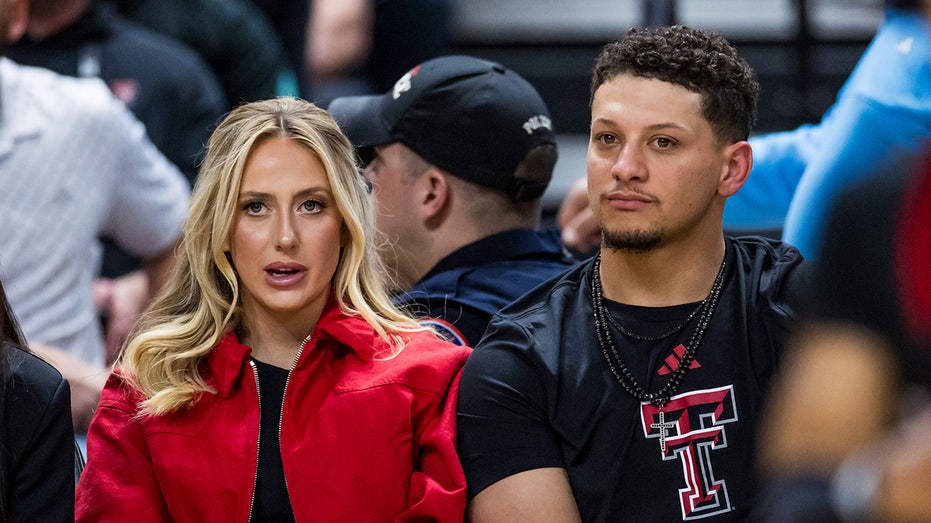
The Dart–Ayers story fits a long lineage of sports romance narratives. Joe Namath’s playboy persona helped the NFL break into mass pop culture in the 1960s and 1970s. Tony Romo and Jessica Simpson became a national fixation in the mid-2000s, with commentators openly debating whether a relationship was affecting Romo’s performance. More recently, Patrick Mahomes’ family ecosystem—his wife Brittany Mahomes and his brother Jackson, both highly visible on social media—became a near-constant subplot around the Kansas City Chiefs.
What has changed is the infrastructure around these stories. Historically, a player’s love life surfaced through tabloids and postgame gossip. Now it emerges through Instagram posts, TikTok accounts, and algorithm-driven virality. A single sideline photo—like Ayers with Dart’s mother—becomes indexable content for platforms and outlets hungry for clicks.
Quarterbacks have always been the public face of NFL franchises, but in 2025, that role is less about occasional interviews and more about continuous visibility. The modern rookie is launched not just as a player but as a multi-platform persona. Dart’s rumored relationship with a woman who commands more than 1.5 million TikTok followers and hundreds of thousands on Instagram is not incidental to that ecosystem—it’s part of it.
Why this particular pairing matters
Several dynamics make this rumor more significant than just offseason gossip:
- Platform power imbalance: Dart is a promising but still emerging NFL figure. Ayers already commands a large, established digital audience. That reverses the traditional dynamic where the athlete’s fame dwarfs that of the partner.
- Audience crossover: Ayers’ following is likely younger, more female, and more globally distributed than a typical Giants fan base. If the relationship becomes public and sustained, it could diversify who pays attention to Dart—and by extension, to the Giants.
- Influence as currency: In the NIL (Name, Image, Likeness) era, players entering the league are already “brands in progress.” Aligning with a partner who has proven digital reach can accelerate endorsement and sponsorship opportunities—if managed carefully.
This is not to suggest the relationship is transactional; we don’t have evidence for that and shouldn’t assume it. But structurally, the pairing sits at the intersection of two powerful economies: the NFL’s $20+ billion entertainment machine and the multi-billion-dollar creator economy driven by platforms like TikTok and Instagram.
The invisible forces: Media economics and the attention marketplace
Coverage of Dart’s rumored romance is also a window into how sports media increasingly operates. Click-driven economics incentivize stories that blend sports with celebrity intrigue. A speculative relationship, bolstered by one photo and some social-media breadcrumbs, is often cheaper to produce and more clickable than a deep dive into scheme adjustments or offensive line play.
That incentives structure matters because it slowly reshapes what fans are taught to care about. When a young quarterback is framed less as an evolving field general and more as a protagonist in a lifestyle narrative, public expectations and team dynamics can shift.
There is also a feedback loop: heightened visibility invites additional scrutiny. If Dart has a poor game, some fans and commentators may reach for an easy storyline—“distractions off the field”—even when there’s no evidence that a relationship or public attention is affecting preparation or performance. This pattern has surfaced repeatedly, from Romo–Simpson to more recent coverage around Taylor Swift’s relationship with Travis Kelce, despite the Chiefs’ continued success.
Gender, power, and the WAG narrative 2.0
Historically, partners of male athletes—especially women—have been flattened into a single caricature: the WAG (wives and girlfriends). They’re often portrayed as accessories, distractions, or sources of drama, rather than as people with careers, ambitions, and their own fan bases. The Dart–Ayers story illustrates how that narrative is mutating, but not entirely disappearing.
Ayers is not just “Dart’s rumored girlfriend.” She’s a ring girl for high-profile boxing events, a model, and a creator who built and monetized her own online audience long before being linked to an NFL player. That matters in at least two ways:
- Economic agency: With 1.5 million TikTok followers, Ayers can command ad deals, brand partnerships, and appearance fees that are independent of Dart’s success or failure.
- Narrative leverage: She can speak directly to her audience without going through traditional media, meaning she has more control over her side of the story than WAGs of earlier eras ever did.
Yet early coverage still leans on familiar angles: who she is dating, how she appears on the sideline, whether she shows up at more games. The risk is that her presence becomes primarily a subplot in Dart’s career arc, rather than a parallel narrative of two people navigating intersecting public careers.
What this means for Dart, the Giants, and the NFL
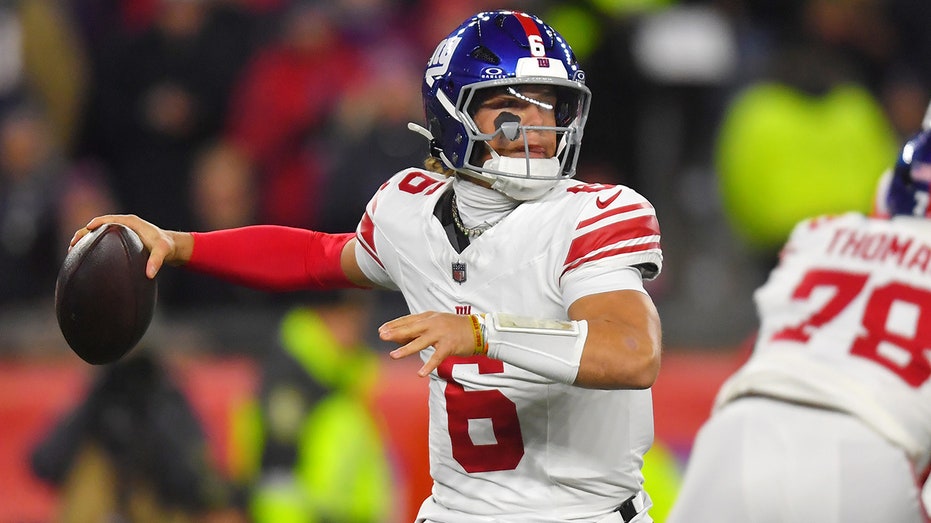
On the field, Dart’s numbers—1,556 passing yards and 11 touchdowns in 10 games as a rookie—signal promise but not superstardom yet. Off the field, though, this rumor nudges him toward a different tier of visibility more typically associated with established stars.
There are several implications worth watching:
- Brand-building opportunity: If handled thoughtfully, this heightened attention could be leveraged into sponsorship deals that secure long-term financial stability early in Dart’s career. Co-branded content, shared campaigns, and appearances become possible.
- Reputational risk: Any misstep—real or perceived—will have a larger audience. Social media backlash cycles are fast and unforgiving. Privacy boundaries, if not clearly established, can erode quickly.
- Locker room dynamics: Teams often say they ignore off-field storylines, but they exist in the same media environment as fans. A young player becoming a celebrity figure can change interpersonal dynamics, especially on a team still searching for an identity.
- Organizational strategy: The Giants’ marketing and communications staff will have to decide whether to lean into Dart’s rising off-field profile or keep a strict separation between team content and his personal life.
Expert perspectives: Performance vs. persona
Sports psychologists often warn that early fame can complicate an athlete’s development. The spotlight can accelerate maturity for some and destabilize others.
Dr. David McDuff, a leading sports psychiatrist who has worked with professional athletes, has long argued that managing the “second career” of being a public figure is now inseparable from performance. While not commenting on Dart specifically, he has noted in past interviews that young athletes are now “running two marathons at once—one in their sport and one in the attention economy—and both require coaching.”
From a media economics standpoint, scholars like Dr. Michael Butterworth, who studies sports communication, emphasize that the merging of sport and celebrity is not a side effect—it’s central to how leagues grow. The NFL benefits when its players become recognizable outside of hardcore fan circles. Relationships with high-profile partners often serve as gateways for casual or non-sports fans to start paying attention to teams and games.
The trade-off is that the line between journalism and entertainment blurs further. Stories about rumored romances compete for space with stories about concussions, labor disputes, and long-term health consequences—all of which arguably matter more, but don’t always perform as well in the algorithm.
Fans, parasocial relationships, and the illusion of intimacy
What’s also evolving here is the fan’s role. Following Ayers or Dart on social media creates the sensation of personal connection—a parasocial relationship where fans feel they “know” them based on curated content. When romance enters the picture, those feelings can intensify, sometimes in unhealthy ways.
We’ve seen this with other high-profile couples: fan bases “taking sides,” harassing partners online after losses, or framing normal relationship dynamics as public property. For a rookie like Dart and a creator like Ayers, navigating that can be daunting. Neither has the decades of boundary-setting experience that older celebrities might have.
The NFL and its teams have begun offering more robust media training, but very few programs fully address the complexities of dating within overlapping fame ecosystems—especially when both partners have algorithmically amplified platforms.
What’s being overlooked
Most coverage of this rumored relationship underplays three key issues:
- The mental health dimension: Constant speculation about one’s private life, especially early in a career, can be destabilizing. Mental performance coaches increasingly warn that media narratives become part of an athlete’s internal dialogue.
- The partner’s autonomy: Ayers’ career as a digital creator is likely more central to her long-term livelihood than any role she plays in an NFL storyline. Treating her primarily as an accessory distorts that reality.
- The structural incentives: Outlets aren’t just choosing to cover this story; they’re responding to measurable engagement metrics that reward this type of content. That shapes the sports information ecosystem fans inhabit, often without them realizing it.
Looking ahead: What to watch
Several developments over the next 12–24 months will reveal how significant this moment really is:
- Whether Dart and Ayers choose to publicly acknowledge the relationship or keep it ambiguous, which will set the tone for how much this becomes part of their shared public identity.
- How brands respond—whether they pursue joint partnerships that capitalize on their combined reach or keep deals separate to reduce risk.
- How the Giants position Dart in marketing campaigns: as a traditional franchise quarterback, as a crossover celebrity figure, or something in between.
- Whether the NFL updates its player education programs to better address social-media-creator relationships and the unique pressures they create.
The bottom line
A rumored romance between a rookie quarterback and a high-profile model may seem like pure entertainment. In reality, it’s a lens into how the NFL, social media, and celebrity culture are converging. Jaxson Dart and Marissa Ayers sit at the junction of two powerful attention economies, and how they navigate that junction will say a lot about what it means to be an athlete—or a creator—in the next decade of American sports.
Topics
Editor's Comments
The Dart–Ayers story may seem trivial, but it’s precisely these “soft” narratives that are quietly reorganizing the sports landscape. We are witnessing an inversion of the traditional fame hierarchy: where once an NFL player’s partner was known primarily because of the athlete, we’re now seeing pairings where the influencer’s reach can match or exceed the rookie’s. That changes who sets the terms of engagement with the public. What remains underexplored is how teams and leagues will respond structurally. Will they formalize support systems that acknowledge partners as stakeholders in the media ecosystem—offering joint education on privacy, digital security, and mental health—or continue treating these dynamics as peripheral gossip? Another open question: as younger fans bond with the lifestyle content around players as much as with the sport itself, does that erode traditional team loyalty or simply redefine what fandom looks like in the streaming era? These are not side issues; they will shape how sustainable and equitable the next phase of sports celebrity becomes.
Like this article? Share it with your friends!
If you find this article interesting, feel free to share it with your friends!
Thank you for your support! Sharing is the greatest encouragement for us.