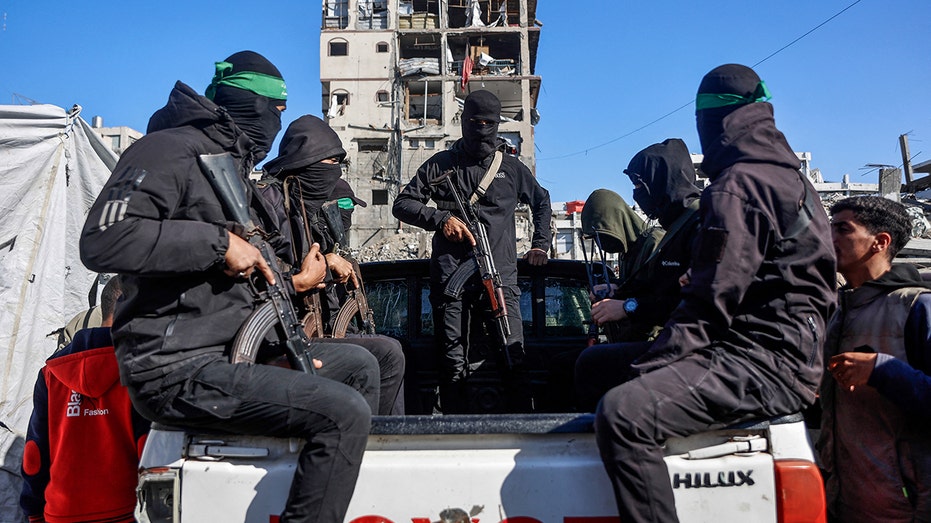
Gaza’s Rising Rival Militias: A Fragmented Future Beyond Hamas Control

Sarah Johnson
December 3, 2025
Brief
Analysis of Gaza’s emerging rival militias challenging Hamas reveals deep internal fractures, regional geopolitics, and potential shifts in power dynamics that will shape Gaza's future beyond the ceasefire.
Opening Analysis
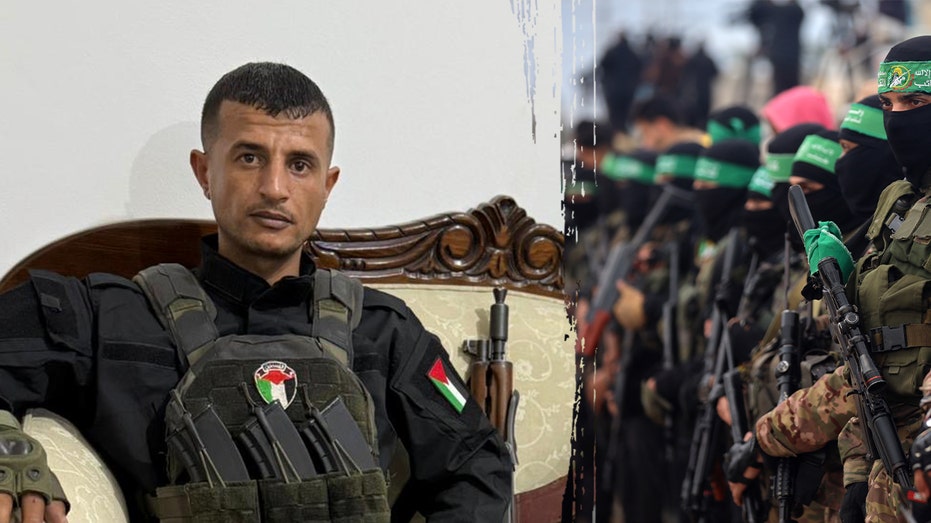
The emergence of rival Palestinian militias within Gaza amid a fragile ceasefire reveals a fracturing of the longstanding monopoly Hamas has held over the enclave’s governance and armed resistance. Shawqi Abu Nasira’s effort to coalesce splinter factions into a unified force directly challenges Hamas’ authority and Iranian-backed influence, exposing deep internal fissures with potent implications for Gaza’s future stability and the broader regional conflict.
The Bigger Picture
Since its violent takeover of Gaza in 2007, Hamas has maintained near-total control over Gaza’s political and security landscape, sidelining the Palestinian Authority and outlawing rival armed groups. The organization’s alliance with Iran and the Muslim Brotherhood network has further entrenched Hamas into a regional ideological and military axis opposed to Israel and Western interests. Yet, decades of blockade, economic hardship, and recurrent Israeli military operations have eroded Hamas’ popularity and capacity, creating openings for smaller militias and clan-based factions to assert themselves.
Historically, Palestinian armed groups have often been fragmented along ideological, familial, and geographic lines. However, Hamas’ tightly controlled and centralized governance limited this fragmentation within Gaza for years. The latest ceasefire has revealed cracks in this façade, with militias in Rafah, Khan Yunis, Shujaiya, and northern Gaza publicly opposing Hamas and seeking coordination. Abu Nasira’s personal story—marked by tragic loss and defection—symbolizes growing dissent even among former insiders.
What This Really Means
Abu Nasira’s bid to form a "National Guard" as an alternative armed force represents more than a mere factional rivalry; it indicates a potential realignment of power within Gaza that could reshape the conflict dynamics. If these militias can unite effectively, they may bypass both Hamas and the Palestinian Authority to establish an indigenous local security structure. This in turn would complicate Israeli and international efforts at stabilization or peace negotiations, which have traditionally dealt primarily with Hamas or Palestinian Authority interlocutors.
Moreover, the explicit framing of Hamas as a proxy for Iran and the Muslim Brotherhood raises questions about the sustainability of external patronage networks amid mounting local resistance. It highlights the tension between Gaza’s internal agency and its role as a node in broader regional Islamist and geopolitical struggles. Abu Nasira’s rejection of the "Disneyland strategy"—the concept of building civilian zones as a slow pressure tactic—signals a demand for immediate, forceful transformation rather than incremental change.
At the social level, the militias’ growing influence underscores widespread Gazan disillusionment with Hamas due to economic deprivation, violence, and repression. This eroding legitimacy threatens to further delegitimize Hamas domestically, possibly fueling continued violence as competing factions vie for control and popular support.
Expert Perspectives
Dr. Lara Haddad, Middle East security analyst: "The fragmentation within Gaza’s militant landscape signals a potential shift from Hamas’ monopoly to a more diffuse and unstable security environment. This internal competition may weaken Hamas but also risks escalating intra-Palestinian violence, creating a chaotic vacuum that neither Israel nor the Palestinian Authority can easily manage."
Prof. Yasser Barghouti, Palestinian politics scholar: "Abu Nasira’s movement highlights the deep fractures wrought by years of Hamas authoritarianism and the destructive impact on Gaza’s social fabric. These militias’ emergence demonstrates a grassroots rejection of external patronage in favor of localized control—though whether they can unify remains an open question."
Col. Michael Stern (ret.), counterterrorism expert: "Iran’s proxy forces in Gaza, including Hamas, have historically leveraged ceasefires to rebuild capabilities. The rise of rival militias presents both opportunities and challenges for Israel and allies—offering potential partners against Hamas, but also complicating intelligence and operational planning due to fragmentation."
Data & Evidence
- Hamas reportedly holds control over roughly 95% of Gaza territories, but ceasefire conditions and recent conflicts reduced its operational capacity substantially.
- According to UN data, Gaza’s population faces an 80% unemployment rate and severe shortages of medicine and basic services—conditions cited by Abu Nasira as drivers of dissent against Hamas.
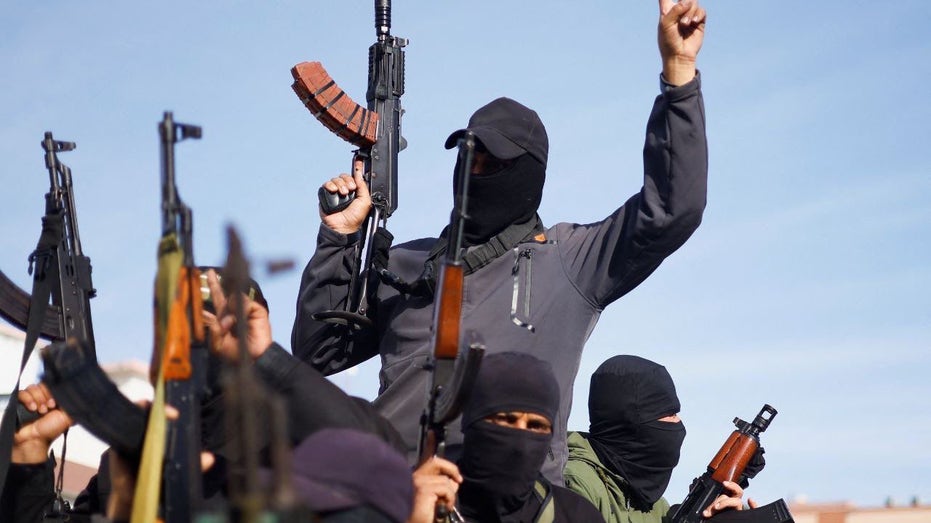
- Local media and independent reports identify at least five significant militia groups besides Hamas active in Gaza, with estimated combined armed strength numbering in the low hundreds.
- Since 2023, international monitoring points to a 30% increase in intra-Palestinian armed clashes, largely among smaller factions unsatisfied with Hamas rule.
Looking Ahead
The coming months are likely to see increased efforts by these militias to coordinate and possibly contest Hamas power, particularly in Gaza’s outskirts where Israeli military influence remains palpable. Whether they can evolve into an effective alternative political-military force depends on internal unity, external support, and public legitimacy among Gazans suffering under blockade and conflict.
For Israel and international actors, engaging with this decentralized and volatile security environment poses strategic questions. Supporting local factions against Hamas risks empowering unpredictable militias, while ignoring them may allow Hamas to reassert dominance unchallenged. The persistent linkage of Hamas with Iran and the Muslim Brotherhood suggests regional geopolitical competition will continue to fuel instability.
Finally, the long-term humanitarian situation remains critical. Without improvements in living conditions and political reforms, Gaza risks descending into protracted fragmentation and chronic violence, undermining any diplomatic efforts for peace.
The Bottom Line
The rise of rival militias in Gaza amid a ceasefire reveals a significant, though precarious, reconfiguration of power challenging Hamas’ grip. Shawqi Abu Nasira’s efforts embody deep fractures within Gaza’s political-military landscape, symptomatic of broader regional rivalries and acute local grievances. How these factions evolve will crucially influence Gaza's future trajectory—either towards dangerous fragmentation or a new equilibrium that might open paths toward more sustainable governance and stability.
Topics
Editor's Comments
This development shakes the conventional narrative of a monolithic Hamas-controlled Gaza. While much international policy focuses on Hamas as the sole Palestinian interlocutor, Abu Nasira’s insurgency and the fractured militant landscape reveal a more complex reality. It raises urgent questions about who truly represents Gaza’s population and how future peace or conflict will be shaped by these emergent actors. The humanitarian crisis underpinning this fragmentation demands greater attention, as political shifts without addressing basic needs risk perpetuating cycles of violence. Moreover, external actors must tread carefully—supporting alternative factions without clear legitimacy could worsen instability. This story exemplifies the layered interplay of local grievances and geopolitics that define the region’s persistent volatility.
Like this article? Share it with your friends!
If you find this article interesting, feel free to share it with your friends!
Thank you for your support! Sharing is the greatest encouragement for us.