Louisiana’s Demand for NOPD Cooperation with Federal Immigration Authorities Signals New Enforcement Era

Sarah Johnson
December 6, 2025
Brief
An in-depth analysis of Louisiana's push for New Orleans police to cooperate with federal immigration authorities, examining state-local tensions, civil rights impacts, and broader implications for U.S. immigration enforcement.
Why Louisiana’s Call for NOPD to Cooperate with Federal Immigration Authorities Signals a New Chapter in Immigration Enforcement
The recent directive from Louisiana Attorney General Liz Murrill urging the New Orleans Police Department (NOPD) to fully cooperate with federal immigration agencies unveils a critical flashpoint in the ongoing national struggle over immigration policy enforcement at the local level. This development not only highlights shifting power dynamics between state and city governments but also underscores broader tensions surrounding sanctuary policies, public safety, and civil rights.
The Bigger Picture: Historical Context of Sanctuary Policies and State-Federal Tensions
Local police cooperation with immigration authorities has been a hotly contested issue for decades. Sanctuary policies—practices that limit local law enforcement’s cooperation with federal immigration enforcement—emerged primarily in the 1980s and 1990s, rooted in concerns for immigrant community trust, civil liberties, and public safety. These policies aim to encourage cooperation between immigrant communities and local police without fear of deportation.
However, states such as Louisiana have increasingly moved to enact legislation that bans sanctuary policies, positioning themselves explicitly against these protections. The 2024 Louisiana law prohibiting sanctuary policies marks a decisive state-level pushback against local autonomy, signaling an effort to centralize immigration enforcement authority and criminalize officials who fail to comply. This legal landscape creates an acute clash between city administrations like New Orleans, which have embraced more lenient approaches, and state leadership demanding full alignment with federal directives.
What This Really Means: Implications for Policing, Civil Rights, and Community Relations
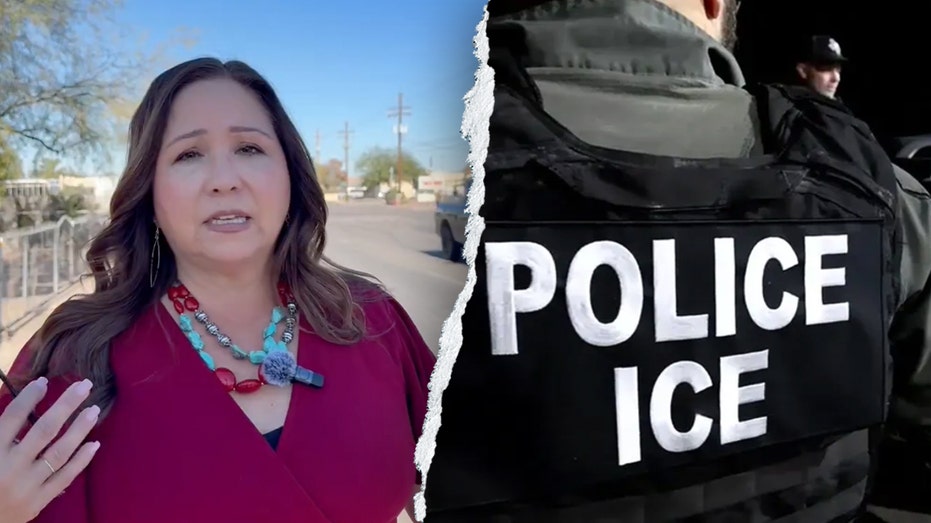
Attorney General Murrill’s letter to NOPD Superintendent Anne Kirkpatrick explicitly threatens felony prosecution for malfeasance should any officers continue policies perceived as sanctuary practices. This marks a significant escalation—from policy disagreement toward potential criminal liability—intensifying pressure on NOPD to enforce federal immigration policies rigorously.
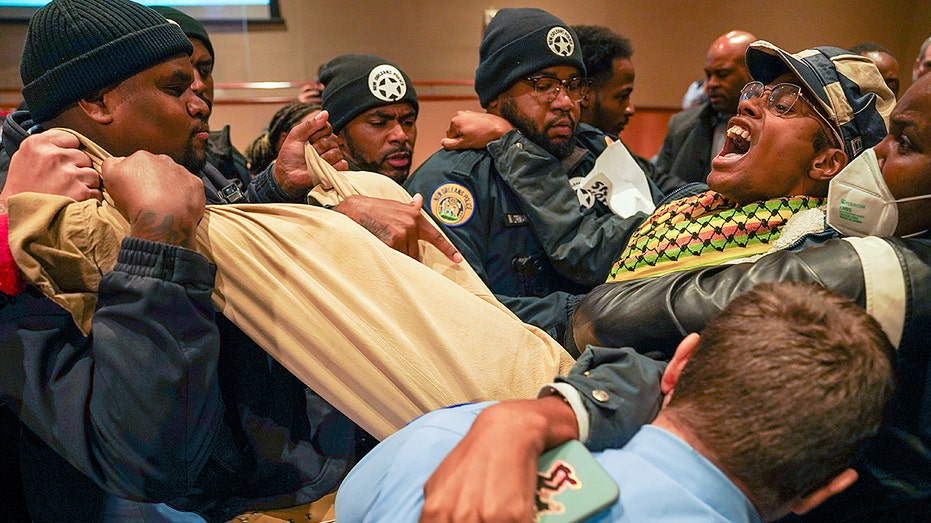
This development will likely exacerbate tensions within New Orleans’ diverse communities, where many immigrants and advocates view local police cooperation with ICE and CBP as a direct threat to safety and trust. The disruption of the City Council meeting by anti-ICE protesters reveals the social volatility such enforcement efforts provoke. For immigrant communities, increased local cooperation can lead to heightened fear of deportation, reduced crime reporting, and fractured police-community relations.
Moreover, it raises questions about policing priorities. Critics argue that funneling police resources toward immigration enforcement detracts from addressing violent crime and community safety, while proponents insist that targeting “criminal illegal aliens” strengthens law and order. This debate taps into the broader national narrative around immigration’s role in crime and security, often inflamed by political rhetoric rather than comprehensive data.
Expert Perspectives
John Sandweg, former acting director of ICE, cautions that cooperation between local law enforcement and federal immigration officials is a delicate balance: "Effective law enforcement requires trust between police and communities. When local agencies are compelled to act as immigration enforcers, that trust frays, possibly reducing public safety overall." Meanwhile, Jessica Bolter, a policy analyst specializing in immigration law, notes, "State laws criminalizing sanctuary policies risk undermining decades of progress in building community-oriented policing models. The legal threats to police leaders place them in an untenable position between competing public safety and civil rights mandates."
Data and Evidence: Dissecting the Impact of Sanctuary Versus Enforcement Policies
Studies on sanctuary policies have yielded mixed outcomes. A 2019 University of California study found that sanctuary cities tend to have lower crime rates compared to similar non-sanctuary cities, suggesting that community trust encourages crime reporting and cooperation. Conversely, DHS data cited in the context of Operation Catahoula Crunch points to arrests of dozens of individuals with criminal convictions who allegedly benefited from non-cooperation policies, highlighting enforcement advocates’ arguments for stricter collaboration.
Notably, the federal deployment of 250 Border Patrol agents to New Orleans signals an unprecedented federal investment in interior immigration enforcement in southern urban areas, an approach previously concentrated at border states. This underlines a strategic shift by federal authorities to target sanctuary jurisdictions with robust operations, hoping to compel compliance through pressure and resource deployment.
Looking Ahead: Potential Outcomes and What to Watch
The unfolding clash between the Louisiana state government and New Orleans municipal authorities could set lasting precedents for the future of immigration enforcement nationwide. Key indicators to observe include:
- Whether Superintendent Kirkpatrick and NOPD fully implement the directive or seek legal contestation, which could trigger court battles over local versus state authority.
- The reaction of federal authorities as they ramp up operations in Louisiana—will increased enforcement quell perceived crime issues or deepen social divides?
- The responses of immigrant communities and civil rights groups, including litigation efforts challenging state laws and reports on policing impacts.
- Ripple effects on other states and cities where sanctuary policies remain contentious issues amid shifting federal immigration policy priorities.
The Bottom Line
Louisiana’s push for NOPD cooperation with federal immigration enforcement epitomizes a volatile crossroads of immigration policy, policing, and community trust. It exemplifies the rising legal and political stakes as sanctuary policies face state crackdowns amidst federal enforcement intensification. The intersection of these forces will profoundly shape public safety, civic engagement, and the lived realities of immigrant communities—not just in New Orleans, but across the United States.
This case urges a deeper examination beyond headlines at the complex trade-offs between law enforcement objectives and civil liberties, reminding policymakers and the public that immigration enforcement is not merely a matter of legal compliance but a profound social challenge touching on fundamental questions of justice and community cohesion.
Topics
Editor's Comments
This directive from Louisiana’s Attorney General crystallizes the growing tension between state authority and local policing autonomy in immigration enforcement. It’s a vivid example of how immigration has become a battleground not just at national borders but within communities themselves. The push to criminalize sanctuary policies reflects a hardening stance that may provoke legal challenges and deepen social fractures. Policymakers must navigate this carefully—balancing public safety with protecting civil liberties, especially in diverse urban centers like New Orleans. This situation challenges us to reconsider what community policing means in an era of heightened immigration enforcement and polarized politics.
Like this article? Share it with your friends!
If you find this article interesting, feel free to share it with your friends!
Thank you for your support! Sharing is the greatest encouragement for us.