Prince Andrew’s Quiet Return: What a Family Christening Reveals About the Future of the Monarchy

Sarah Johnson
December 15, 2025
Brief
Prince Andrew’s low-key return at his granddaughter’s christening exposes the monarchy’s deeper struggle: balancing family loyalty, public accountability, and the future roles of Beatrice and Eugenie.
Prince Andrew’s Quiet Reemergence: What a “Family” Christening Reveals About the Future of the Monarchy
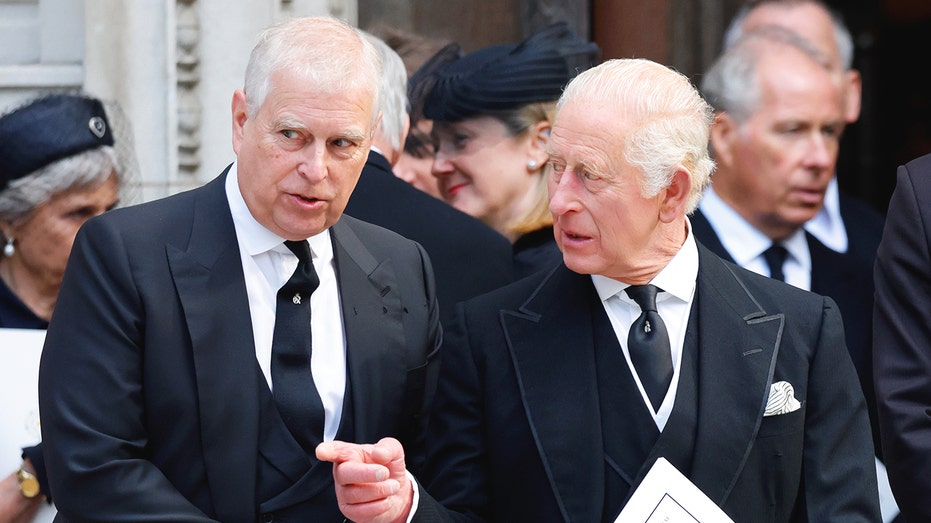
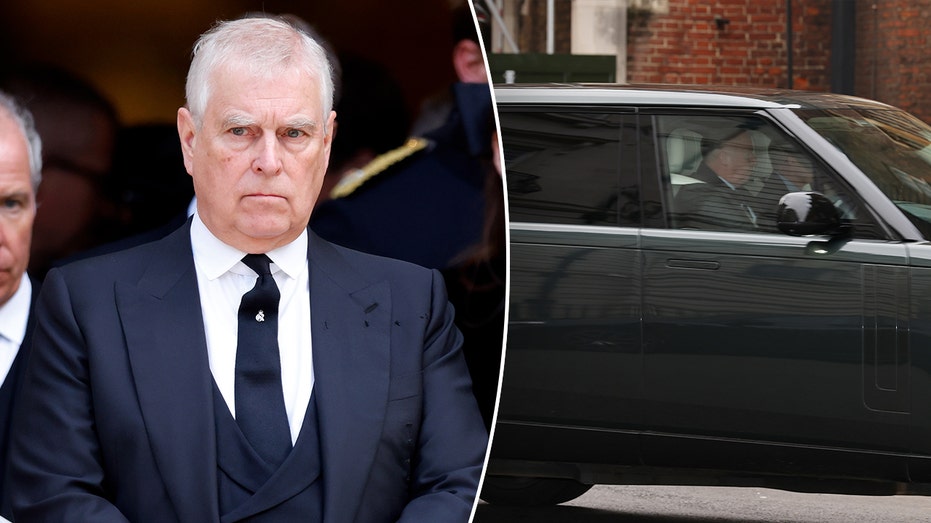
On the surface, this is a simple family moment: a grandfather attending his granddaughter’s christening, accompanied by his ex-wife. But the low-key reappearance of Andrew Mountbatten-Windsor and Sarah Ferguson at baby Athena’s christening is doing far more than filling royal gossip columns. It is stress‑testing three critical questions about the modern British monarchy:
- Can a hereditary institution survive in an era of #MeToo and accountability politics?
- Where is the line between private family loyalty and public constitutional responsibility?
- What happens to “tainted” royals—and their children—when the throne changes hands?
Princess Beatrice’s dilemma—invite her disgraced father or risk feeding another media firestorm—captures a broader institutional tension: the monarchy is attempting to protect its brand while containing a scandal it cannot fully excise. Andrew remains in the line of succession, and his mere physical presence at any event quietly reminds the public of allegations the Palace would rather fade into history.
A Crisis Years in the Making
To understand why this relatively small event matters, it’s worth tracing how Andrew and Ferguson became reputational liabilities in the first place.
1990s–2000s: Early reputational cracks. Sarah Ferguson’s financial troubles and toe‑sucking tabloid scandals in the early 1990s were among the first modern challenges to the royal image of dignity and restraint. She became a case study in how quickly royal aura can be punctured by personal behavior. Yet she was largely dismissed as a colorful sideshow rather than an existential risk.
2011: The Epstein connection surfaces. Revelations that Ferguson had privately emailed Jeffrey Epstein—calling him a “steadfast, generous and supreme friend” after publicly distancing herself from him—foreshadowed a pattern: senior royals and their associates underestimating the reputational toxicity of proximity to wealthy, morally compromised figures. Her subsequent loss of multiple charity patronages showed how dependent royal-adjacent figures are on perceived integrity for their commercial and philanthropic roles.
2019: The Newsnight interview and the collapse of Andrew’s public role. In November 2019, Andrew’s BBC Newsnight interview about his relationship with Epstein became one of the most damaging media performances by a royal in modern history. His lack of empathy for Epstein’s victims, implausible explanations (not sweating, Woking Pizza Express), and tone‑deaf self‑pity crystallized public revulsion. Within days, he stepped back from royal duties.
2022: The legal settlement with Virginia Giuffre. The civil lawsuit by Virginia Giuffre—who alleged she was trafficked to Andrew as a 17‑year‑old—ended in an out‑of‑court settlement. While he admitted no wrongdoing, the payment effectively ensured these allegations would be permanently linked to his name. For a hereditary monarchy whose legitimacy rests on moral authority as much as constitutional function, “not guilty in a criminal court” was never going to be enough.
2024–2025: Systematic stripping of titles. Under King Charles’s reign, the Palace initiated a formal process to remove Andrew’s styles, titles, and honours, including His Royal Highness, Duke of York, and major chivalric orders. This was not just punishment; it was brand surgery—an attempt to quarantine reputational damage and signal a leaner, more accountable monarchy.
The christening is the first time we see the post‑titles Andrew re‑entering a semi‑public space. The question is whether this is a one‑off family exception—or the start of a slow, contested rehabilitation.
Beatrice and Eugenie: Inheriting a Family Name in an Age of Accountability
The quiet warning from royal commentators that the York sisters should “keep their distance” from their parents’ scandals speaks to a generational fault line. Beatrice and Eugenie are navigating a role that barely existed 40 years ago: semi‑working royals with full‑time civilian careers, trying to protect their employability while remaining within the royal fold.
There are three overlapping pressures on them:
- Institutional pressure: King Charles has signaled that Beatrice and Eugenie are welcome in the royal tent for now. But any future role under King William is uncertain. William’s approach to scandal has historically been less forgiving; he has shown little inclination to muddy the brand with controversial figures when not strictly necessary.
- Reputational pressure: In a world where employers, boards, and charities are acutely sensitive to #MeToo and safeguarding concerns, proximity to a relative accused of sexual assault—even without criminal conviction—carries real costs. The loss of charity roles that Ferguson experienced after her Epstein email became public is a warning about how fast doors can close.
- Personal and emotional pressure: Public calls for the York sisters to distance themselves from their parents overlook an obvious human reality: Andrew and Sarah are still their mother and father and doting grandparents. Breaking visibly with them may offer reputational protection while inflicting deep personal damage and feeding a media narrative of family betrayal.
The christening choice—invite Andrew, but keep the event low‑key and largely private—shows the intermediate strategy the Yorks are testing: protect family bonds while reducing the likelihood of viral images that can be turned into symbols of “soft rehabilitation.”
What This Moment Really Signals About the Monarchy
The subtle choreography around Andrew’s appearance reflects broader pressures reshaping the monarchy:
- The monarchy as a risk‑management operation. Today’s royal household looks much more like a corporate brand management team than a distant court. Every appearance by Andrew or Ferguson is a risk assessment: Does this event justify the inevitable negative headlines?
- The shift from “duty and deference” to “reputation and consent.” Historically, monarchies relied on inherited authority and social deference. In the 21st century, their survival hinges on public consent—and that consent is increasingly contingent on demonstrating ethical standards that match, or exceed, those expected of elected officials.
- The rise of the “shadow monarchy.” As Charles streamlines the institution, more royals—Andrew, Sarah, even Harry and Meghan in their own way—exist in a semi‑attached limbo: not fully inside the working institution, but too famous and too intertwined to disappear. Managing this shadow network will be one of the hardest tasks for future royal strategists.
Data Points the Palace Is Watching
While comprehensive polling on Andrew’s standing is patchy, several trends are clear:
- Surveys in the early 2020s consistently put Prince Andrew at or near the bottom of public favourability among royals, often in single digits, with majorities supporting his permanent withdrawal from public duties.
- Trust in institutions across the UK—from Parliament to the police—has fallen over the last decade, particularly among younger voters. The monarchy is not immune to this trend; the younger the demographic, the weaker the automatic loyalty.
- #MeToo and related movements have significantly raised expectations around accountability for sexual misconduct, especially where power imbalances are involved. Settlements without admissions of guilt are now widely read as reputational red flags rather than exonerations.
In that context, even a seemingly private christening with Andrew present carries signalling power: it tests whether the public shrugs—or reignites debate about whether the monarchy is serious about its own moral standards.
Expert Perspectives: Image, Law, and Culture
Royal watchers, legal analysts, and cultural historians are looking at this event through very different lenses.
Brand and reputation specialists stress the long tail of association. Even if Andrew never returns to official duties, his continued visibility at family milestones risks slow reputational bleed for the institution. The danger isn’t a single explosive headline, but cumulative reminders that the monarchy’s commitment to accountability stops at the palace gates.
Legal scholars point out another tension: Andrew has not been convicted of any crime. In a strict rule‑of‑law framework, treating him as permanently toxic without due process raises its own concerns. Yet public opinion has largely resolved this conflict by applying a higher standard to royalty: constitutional figures must be beyond credible reproach, not merely “not prosecuted.”
Cultural historians note that the British monarchy has previously absorbed scandal and survived—Edward VIII’s abdication, Princess Margaret’s affairs, the breakdown of Charles and Diana’s marriage. What’s different now is the depth of digital memory and the global nature of scrutiny. The Epstein saga is archived, searchable, and permanently linked to Andrew’s name.
Looking Ahead: The William Question and the Next Succession Shock
Many insiders believe the real crunch point will come when William becomes king. Charles has struck a balance: he has stripped Andrew of formal honours while still tacitly allowing private family participation. William, who came of age watching his mother’s mistreatment and tabloid hounding, has consistently prioritized brand discipline and public sentiment.
Three scenarios are plausible over the next decade:
- Hard containment: Andrew is quietly limited to private, non‑photographed family gatherings, with strict guidance to avoid any event where media are present. This minimizes reputational risk but quietly institutionalizes a form of social exile.
- Soft rehabilitation: Over time, we see more appearances like this christening—low‑key, family‑framed, and increasingly normalized—probing whether public anger has cooled enough to permit Andrew a limited social presence without formal duties. This seems to be what some in his camp may hope for.
- Generational distancing: The York sisters increasingly build independent public identities, perhaps outside formal royal structures, while keeping their children largely out of the spotlight. The monarchy doubles down on the core line: the monarch, their spouse, and direct heirs, with minimal profile for collateral branches.
Whichever path emerges, the York story is already shaping internal royal thinking about crisis management. It is a living case study in what happens when a modern monarchy collides with a globalized, digitized accountability culture.
What’s Being Overlooked
Much of the coverage of this christening has focused on awkwardness, optics, and speculation about Beatrice’s guest list. Three deeper issues are getting less attention:
- Intergenerational fallout: Baby Athena and her peers will grow up in an environment where search engines permanently connect their family name to trafficking, sexual assault allegations, and scandal. The psychological and social impact on royal grandchildren has barely been explored.
- Charities and soft power. The monarchy’s global influence rests heavily on charity patronage and soft diplomacy. Each unresolved scandal can make NGOs, universities, and international organizations think twice about inviting or partnering with royal figures, especially younger ones with tainted surnames.
- Precedent‑setting. How Andrew is handled will set an internal precedent for dealing with any future misconduct by lesser‑known royals. If the line is fuzzy now, it may be even harder to enforce later.
The Bottom Line
Andrew’s presence at his granddaughter’s christening is not a trivial society note; it is a small but telling moment in the monarchy’s ongoing struggle to reconcile hereditary privilege with contemporary demands for accountability. For Beatrice and Eugenie, it underscores an uncomfortable reality: they will spend much of their adult lives negotiating the distance between their love for their parents and the reputational hazard their parents represent.
For the institution itself, the York saga is a warning: in the 21st century, royal scandals don’t simply blow over—they calcify into the narrative. How the Palace manages Andrew’s reemergence, however subtle, will be a test of whether the monarchy truly understands that its survival now depends less on bloodlines and more on public trust.
Topics
Editor's Comments
What strikes me about this episode is how much emotional labor is being outsourced to the younger generation. Beatrice and Eugenie are expected to solve a problem they didn’t create: how to love their parents while defending their own reputations and, by extension, the monarchy’s. That’s a recurring pattern in hereditary systems—the burden of repair falls on those least responsible for the damage. We should also question the assumption that quiet family appearances are neutral. In a digital environment, there is no such thing as a purely private moment for figures like Andrew; every leaked photograph is a data point in a long-term rehabilitation campaign, whether intentional or not. The more often he appears in family contexts without apparent consequence, the easier it becomes for the institution to say: ‘This is behind us now.’ The unresolved question—rarely asked in royal coverage—is where that leaves survivors of abuse watching this slow normalization from the outside.
Like this article? Share it with your friends!
If you find this article interesting, feel free to share it with your friends!
Thank you for your support! Sharing is the greatest encouragement for us.