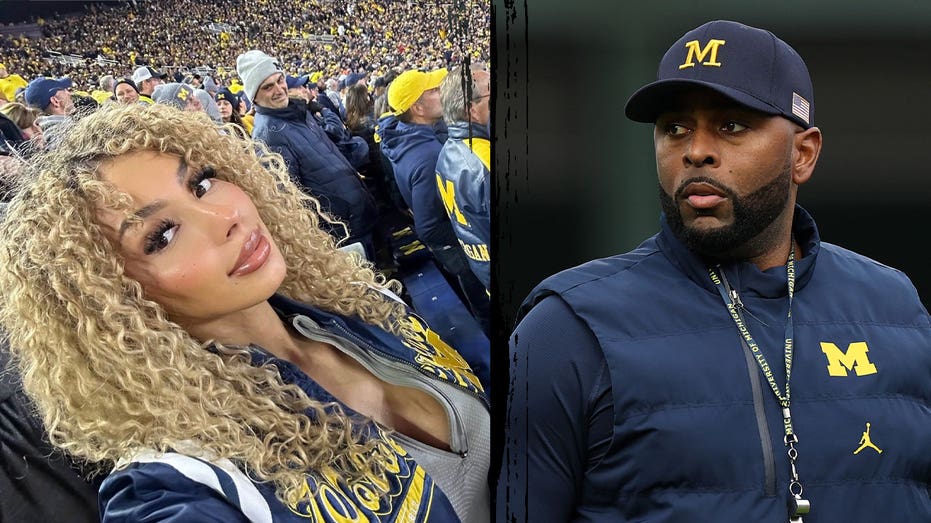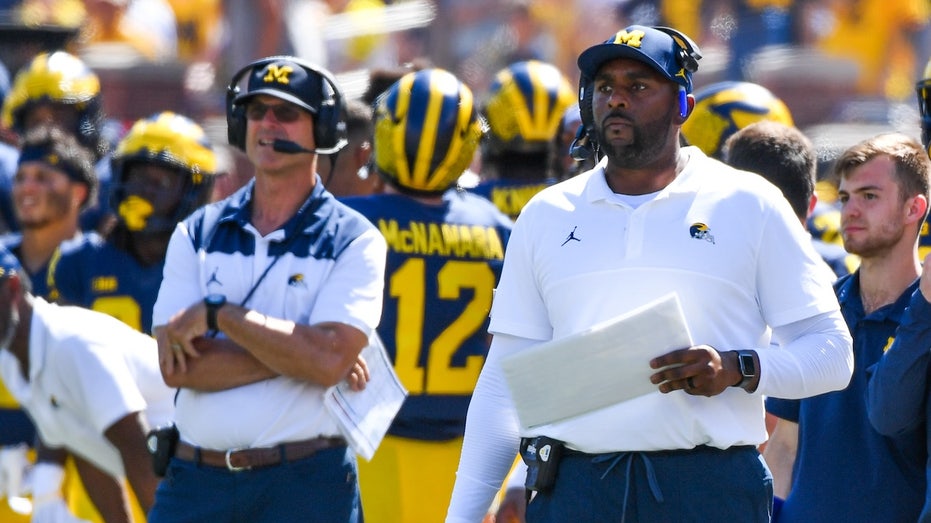
Beyond the Headlines: What the Sherrone Moore Collapse Reveals About College Football’s Leadership Crisis

Sarah Johnson
December 14, 2025
Brief
Sherrone Moore’s stunning fall at Michigan isn’t just a personal scandal. It exposes deep structural issues in college football leadership, institutional oversight, race, mental health, and high-stakes succession planning.
Jim Harbaugh, Sherrone Moore, and the New Crisis Era in College Football Leadership
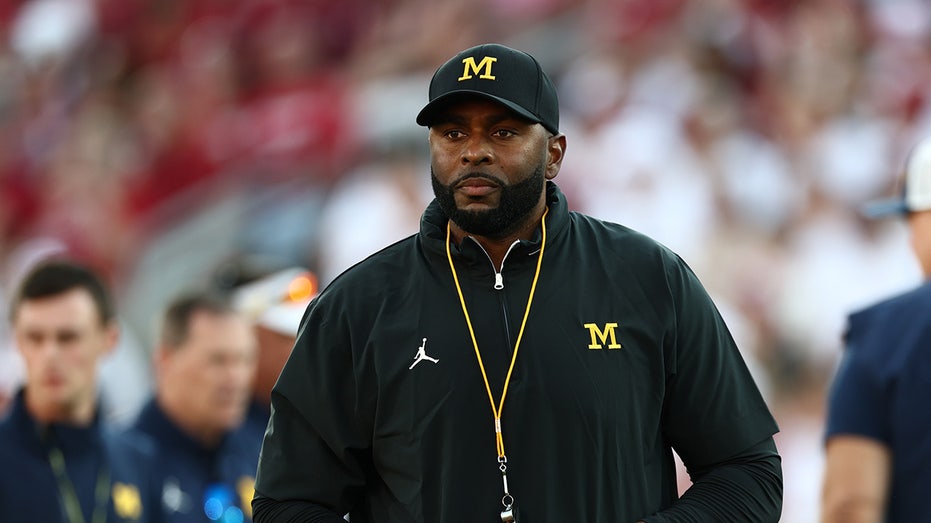
Jim Harbaugh’s halting comment that he is “still processing” the implosion of Sherrone Moore’s career sounds, on its face, like a bland response at an NFL press conference. In reality, it captures something deeper: one of the premier brands in college football has just watched its carefully constructed succession plan detonate in less than a year, amid criminal charges, allegations of stalking and home invasion, and yet another off-field scandal involving a high-profile coach.
This is not just a story about one coach’s fall from grace. It is a window into the fragile ecosystem of modern college football: the pressure-cooker culture around coaches, the weaknesses in institutional oversight, the gaps in how programs handle intimate relationships inside athletic departments, and the reputational stakes when a flagship university’s biggest public asset – its football program – becomes entangled with criminal allegations.
The Bigger Picture: How Michigan Got Here
To understand why Moore’s arrest is so seismic, you have to rewind the Michigan timeline:
- 2015–2023: Jim Harbaugh turns Michigan from underachiever to national powerhouse, culminating in a national title in the 2023 season after multiple College Football Playoff runs.
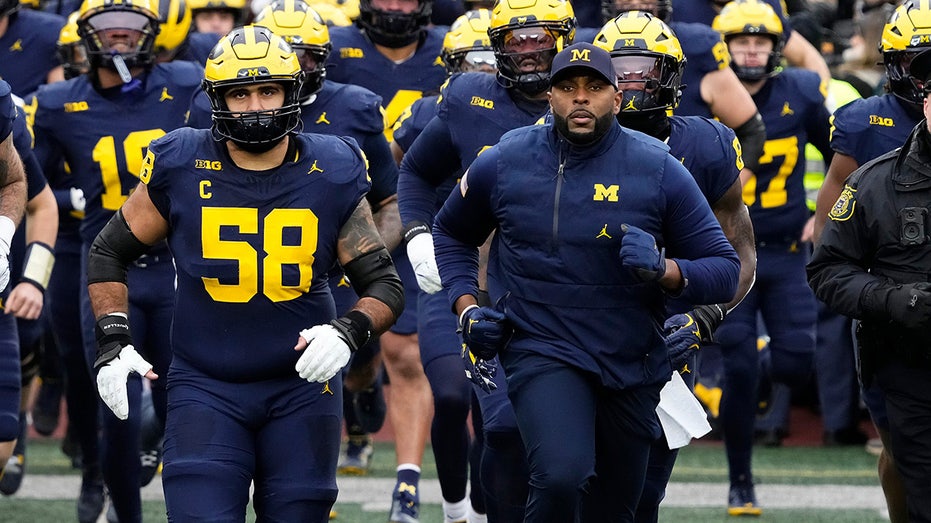
- Scandal era under Harbaugh: Michigan weathers an NCAA investigation into alleged in-person scouting and sign stealing, recruiting violations, and multiple suspensions for Harbaugh. During those suspensions, Moore steps in as interim head coach and goes 4–0, including emotional, nationally televised wins that catapult him into the national spotlight.
- 2024: Harbaugh jumps back to the NFL, and Michigan promotes Moore, a young, widely praised offensive mind, to become the first Black head coach in Michigan football history – a milestone laden with symbolic importance for the program and for Big Ten coaching diversity.
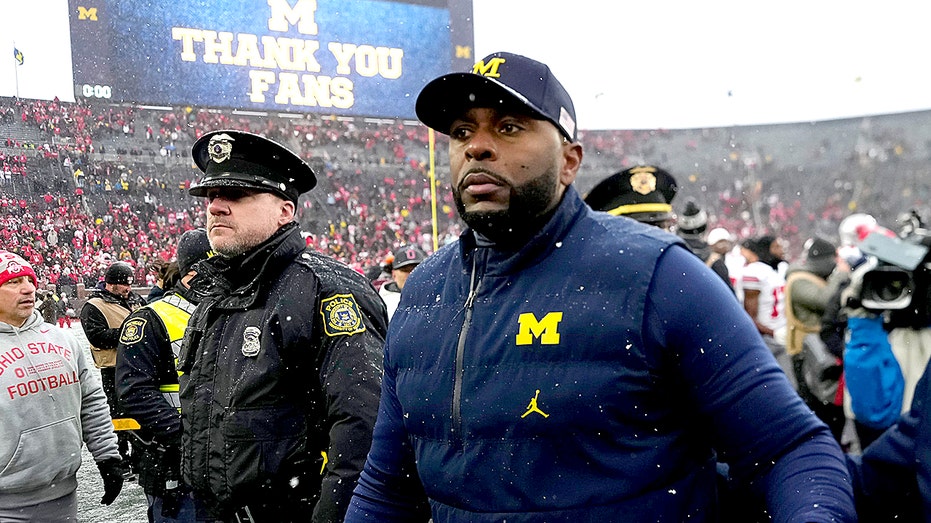
- Late 2025: Within months, the university says it has found “credible evidence” of an “inappropriate relationship” with a staffer. Moore is fired, then arrested and charged with third-degree home invasion and two misdemeanors, including stalking, allegedly tied to that relationship.
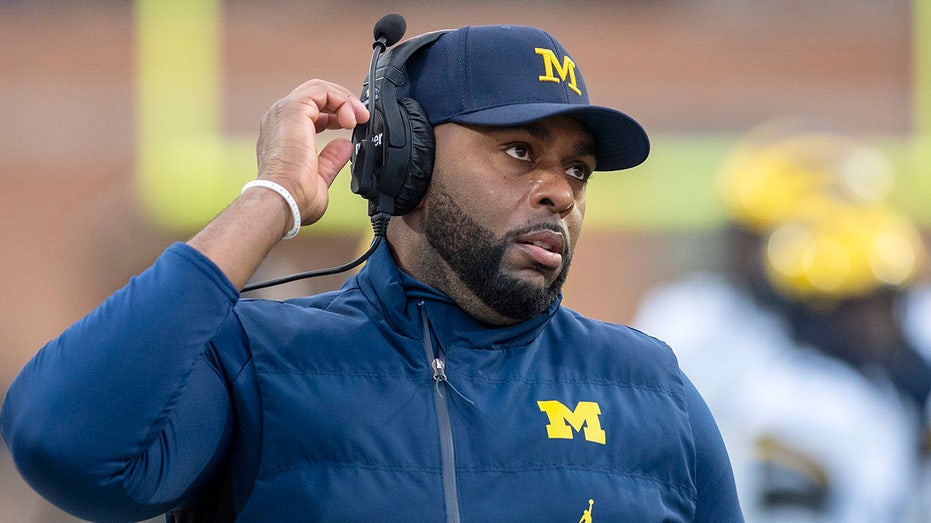
Michigan did not just promote any assistant; it elevated Moore as a continuity hire and as a cultural statement: a younger, emotionally demonstrative coach who had loudly professed his love for “this team” in teary postgame interviews, and who represented a new generation of leadership in a sport still dominated by older white men. His sudden fall compounds multiple layers of institutional risk: legal, reputational, cultural, and racial.
What This Really Means: Four Deep Fault Lines Exposed
1. The succession crisis in big-time programs
Michigan, like Alabama after Nick Saban or Oklahoma after Lincoln Riley, attempted the continuity playbook: promote from within, preserve the scheme, protect recruiting pipelines, and avoid the turmoil of an outside hire. The upside is stability; the downside is that the vetting of insiders is often less rigorous because they are already “known” quantities.
The allegations against Moore raise blunt questions:
- Did Michigan fully vet interpersonal dynamics inside its own program before handing him one of the most powerful jobs in college sports?
- Were there early warning signs – about behavior, boundaries, or workplace relationships – that were missed, minimized, or never formally flagged?
The program’s earlier willingness to ride through the sign-stealing and recruiting controversies under Harbaugh also matters. When a university repeatedly absorbs reputational hits to keep winning, it can calcify a culture where the default is to protect the program first and scrutinize its leaders later.
2. The blurred line between personal relationships and institutional liability
The university’s phrase “inappropriate relationship” with a staffer sits at the intersection of two trends: the growing recognition of power dynamics in workplace relationships, and the heightened legal risk universities face when they fail to act decisively on complaints involving employees in positions of authority.
In the last decade, major athletic departments have been forced into reckonings over how they handle intimate relationships and harassment claims: think of the scandals at Baylor, Michigan State, LSU, and Northwestern. The details differ, but the core failure is recurring: university structures lag behind the realities of high-profile, high-pressure, male-dominated sports programs where boundaries with staff, students, and fans can blur quickly.
Here, the sequence matters: according to prosecutors, the staffer contacts the university and cooperates with its investigation; the university fires Moore; only then does the alleged home invasion incident occur. That timeline presents Michigan as responsive rather than passive, but it also underscores the volatility of these situations: once employment and reputation are on the line, the risk of escalation spikes.
3. Mental health, masculinity, and the emotional economy of coaching
The alleged details – Moore barging into a home, grabbing kitchen utensils, threatening self-harm, and saying “My blood is on your hands” – are not just about criminal law. They highlight a seldom-discussed pressure point in elite coaching: how men in highly public, hypercompetitive roles cope with identity collapse when their professional world implodes.
Coaches routinely log 80–100 hour weeks, live in a constant cycle of film, recruiting, and PR, and build their identities around performance and control. When a relationship ends, a job disappears, and public humiliation arrives all at once, some individuals with poor coping skills or unchecked mental health issues may spiral in dangerous ways.
This does not excuse alleged criminal behavior. But it does expose a structural reality: universities invest millions in analytics, nutrition, and facilities, yet rarely build robust, mandatory psychological support systems for the people leading the program. When the head coach is the “face” of a multibillion-dollar enterprise, an unmanaged breakdown becomes more than a personal crisis; it becomes an institutional one.
4. Race, representation, and the fragility of progress
Moore’s status as Michigan’s first Black head coach complicates the narrative in ways that will be uncomfortable but necessary to confront. College football has a longstanding diversity problem: despite rosters that are often majority Black at the Power Five level, head coaching jobs remain overwhelmingly white. Each high-profile Black head coach is scrutinized not just as an individual but as a symbol.
The danger here is twofold:
- Some critics of diversity efforts may weaponize Moore’s downfall to argue, implicitly or explicitly, that “identity hires” are risky – ignoring the fact that misconduct, poor judgment, and criminal allegations have a long history among white coaches as well.
- The psychological and cultural impact on aspiring Black coaches, who already face higher barriers to entry and less margin for error, could be significant. When one of the rare success stories implodes, it can reinforce the sense that the path is both narrow and unforgiving.
The institution’s response will be closely watched: who is considered for the permanent job after the interim? Does the pipeline for Black assistants and coordinators remain a priority, or does Michigan quietly retreat into “safe,” familiar choices?
Expert Perspectives: What Insiders See Behind the Headlines
Sports law and governance experts emphasize how cases like this reshape institutional risk calculations. Athletic departments are increasingly treated by courts and regulators as workplaces with heightened duty-of-care obligations, particularly when power imbalances are involved.
Mental health professionals who work with athletes and coaches warn that the constant public scrutiny and job insecurity in college coaching amplify existing vulnerabilities. The alleged self-harm threats in Moore’s case echo patterns seen in other high-profile collapses where shame, loss of status, and romantic conflict collide.
Scholars of race and sport point to the broader narrative risk: even isolated misconduct by a Black coach can disproportionately influence public discourse about diversity, in contrast to the many misconduct cases involving white coaches that are treated as individual failings rather than indictments of a demographic group.
Data & Evidence: The Structural Context
- Coaching diversity: In recent years, Black head coaches have typically held roughly 10–15% of FBS head coaching jobs, despite Black players comprising more than half of FBS rosters at many top programs.
- Misconduct trends: Over the past decade, numerous major programs – from Baylor’s sexual assault scandal to Northwestern’s hazing revelations to LSU’s handling of assault reports – have faced intense scrutiny over how coaches and athletic departments respond to complaints involving staff or athletes.
- Economic stakes: Michigan’s football program has ranked near the top nationally in revenue, often exceeding $100 million annually. That transforms coaching scandals from mere PR issues into financial risks affecting donations, media deals, and even legislative attention.
Looking Ahead: What to Watch at Michigan and Beyond
1. Michigan’s internal reforms – or lack thereof
The university has already signaled that it believes it acted on “credible evidence” and moved quickly to terminate Moore. The next questions:
- Will Michigan audit its policies on staff-coach relationships, reporting channels, and retaliation protections?
- Will there be public-facing reforms – mandatory training, independent reporting lines, or external reviews – to reassure staff and the public?
How transparent Michigan chooses to be will indicate whether this is treated as a one-man crisis or a system-level wake-up call.
2. The legal trajectory and risk of civil litigation
The criminal case will play out in court, but a parallel civil risk looms. If the staffer or others argue that the university failed in its duty to protect employees or responded inadequately to earlier concerns, it could open another front of scrutiny and potential liability, even if Michigan’s initial timeline appears proactive.
3. The next hire and the message it sends
Michigan’s eventual permanent coaching choice will be scrutinized beyond Xs and Os:
- Does the school double down on the internal tree or pivot to an outsider seen as a “clean break” from the Harbaugh-Moore era?
- Does it continue to prioritize diversity in a meaningful way, or quietly revert to the demographic norms of the industry?
For recruits, alumni, and staff, the hire will signal whether Michigan sees this scandal as a deviation or a sign that its cultural compass needs recalibration.
4. The broader college football reckoning
Other athletic departments are watching. Every time a high-profile coaching scandal erupts – whether about hazing, harassment, recruiting violations, or alleged criminal acts – it resets the baseline of what due diligence, oversight, and support systems should look like.
We are moving toward an era where head coaches will be evaluated not only on wins and losses, but on how their programs manage internal relationships, respond to complaints, and protect staff well-being. For some, that will feel like burdensome bureaucracy. For universities operating billion-dollar enterprises with enormous public footprints, it is becoming a non-negotiable cost of doing business.
The Bottom Line
Jim Harbaugh’s brief, stunned reaction tells us something simple: even insiders at the highest level didn’t see this coming. But surprise is not a defense for institutions anymore. Sherrone Moore’s fall exposes the precarious convergence of power, pressure, personal relationships, and public scrutiny that defines modern college football.
Michigan now faces a choice: treat this as an isolated tragedy surrounding one coach, or as a catalyst to interrogate how its most visible program governs itself, protects its people, and defines leadership in an era where the consequences of failure are no longer confined to the scoreboard.
Topics
Editor's Comments
What’s striking in the Moore story is how quickly it’s being framed purely as a personal meltdown, detached from the broader ecosystem that produced him. That’s too convenient. Michigan, like many big-time programs, built a culture that tolerates rule-bending and outsized personalities as long as the wins keep coming. Moore’s emotional, “ride-or-die” persona was celebrated when it translated into victories and viral locker-room speeches; only now, when the alleged behavior turns dangerous and criminal, is it being pathologized. The uncomfortable question for Michigan—and for college sports more broadly—is whether the same traits that make certain assistants attractive for rapid promotion (intensity, loyalty, willingness to push limits) also correlate with blind spots in emotional regulation and boundary-setting. Institutions can’t keep pretending that character is a separate lane from performance. If head coaches are effectively CEOs of nine-figure enterprises, then vetting, mental health support, and governance have to be treated with the same seriousness you’d expect in any other industry at that scale. Otherwise, we’ll keep calling these episodes “shocking,” when they’re actually predictable outcomes of a distorted system.
Like this article? Share it with your friends!
If you find this article interesting, feel free to share it with your friends!
Thank you for your support! Sharing is the greatest encouragement for us.