Sherrone Moore and the Unequal Politics of Coaching Redemption

Sarah Johnson
December 14, 2025
Brief
Sherrone Moore’s downfall is more than a scandal; it exposes how race shapes which coaches get fired, forgiven, and rehired in college sports’ highly selective redemption economy.
Sherrone Moore, Second Chances, and the Invisible Rules of Coaching Redemption
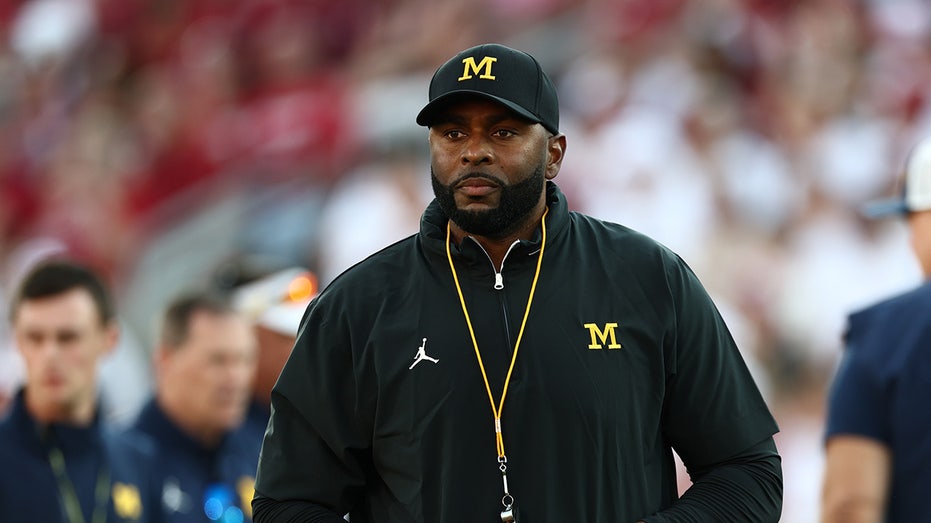
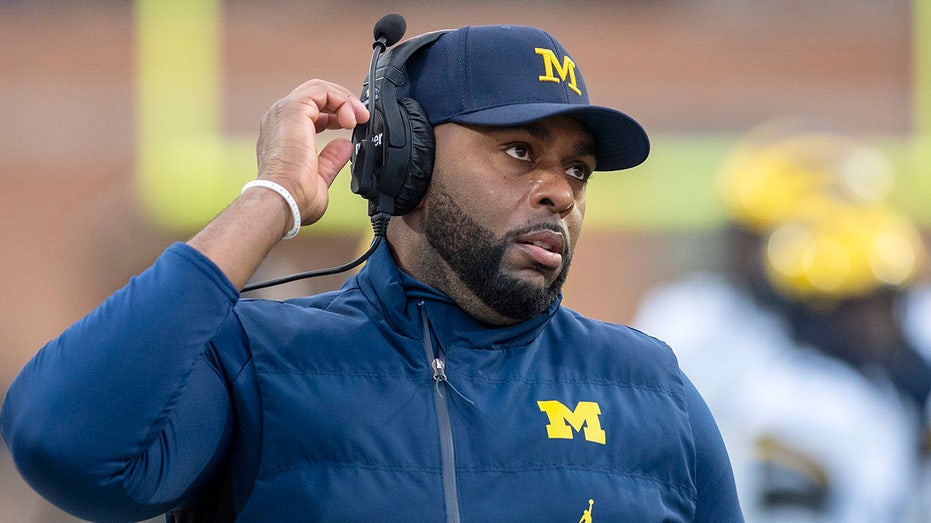
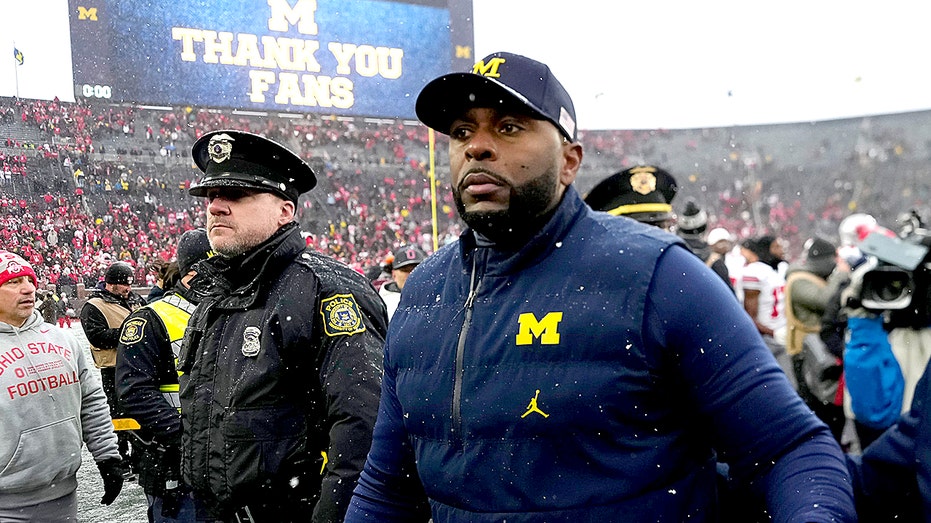
Sherrone Moore’s firing from Michigan and his subsequent criminal charges are obviously a personal and legal crisis. But the immediate reaction from Ryan Clark and Jemele Hill points to a larger, more uncomfortable story: in big-time sports, the consequences of one man’s actions rarely fall on just one man. They fall on a pattern of who gets punished, who gets forgiven, and who never gets back in the door.
What’s playing out here isn’t simply a case of alleged stalking and misconduct. It’s a stress test of college football’s racial double standards in hiring and rehiring – and a stark reminder that, for Black coaches, the margin for error has historically been far thinner than for their white counterparts.
The legacy and burden of being “the first”
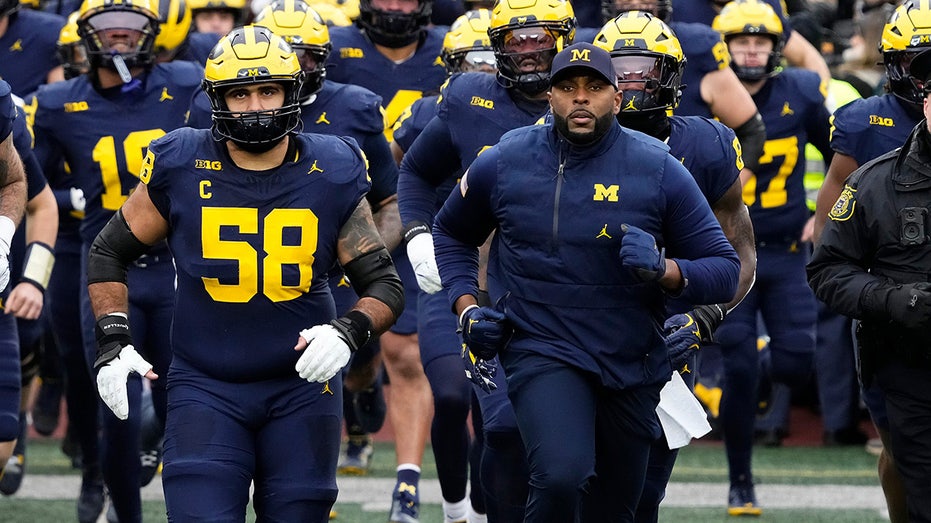
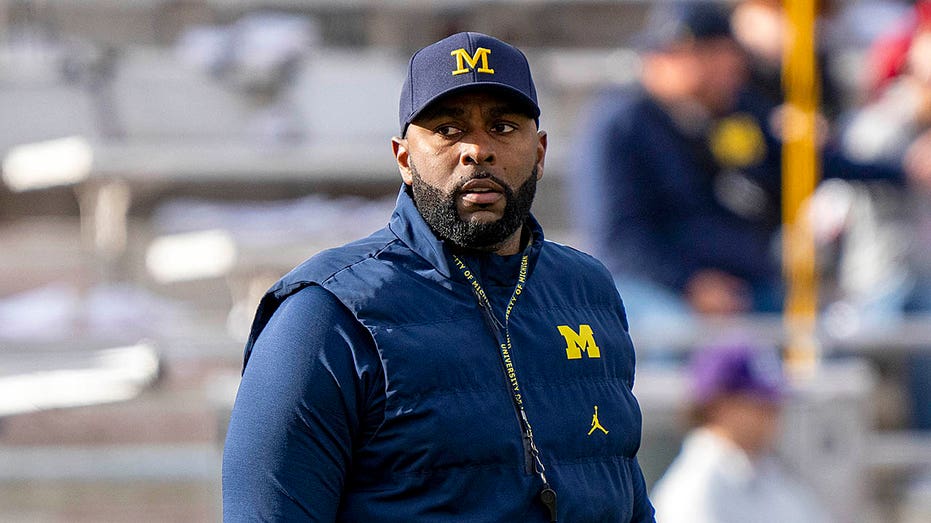
Moore wasn’t just any coach; he was Michigan’s first Black head football coach, leading one of the sport’s blue-blood programs. That symbolic status matters. History shows that when a barrier is broken in sports – whether it’s the first Black head coach, GM, or athletic director – that individual is quietly asked to carry more than a playbook. They carry perceptions.
The expectation, often unspoken but deeply felt in Black coaching circles, is: you can’t just be good; you have to be almost spotless. Because any misstep is rarely seen as just your failure. It becomes a data point in a narrative about whether more people like you “deserve” the opportunity.
That’s the weight Ryan Clark is tapping into when he says Moore “failed a community of coaches.” He’s not absolving the system; he’s acknowledging it. Black coaches know they’re often being judged not only as individuals but as proxies for everyone who might come after them.
How second chances really work in college sports
Clark and Jemele Hill both point to a familiar pattern: the way white coaches often find quick redemption arcs after serious scandals, while Black coaches frequently don’t.
Look at the names Hill invoked:
- Bobby Petrino – Fired from Arkansas in 2012 for lying about an extramarital affair with a staffer and misusing university resources. He was back as a head coach at Western Kentucky in eight months, then landed at Louisville again, and most recently returned to a prominent coordinator role in the SEC.
- Hugh Freeze – Resigned from Ole Miss in 2017 after the university uncovered a pattern of calling escort services from his university-issued phone amidst an NCAA infractions cloud. After a brief exile, he became head coach at Liberty and now leads Auburn, one of the most coveted jobs in the SEC.
- Rick Pitino – Tied to multiple off-court scandals, including an extortion case over an affair and a recruiting scandal that cost Louisville its 2013 NCAA title. After a short stint abroad, he’s back at a major program, St. John’s, and widely framed as a “redemption story.”
Now contrast that with:
- Mel Tucker – Fired by Michigan State over a sexual harassment allegation involving a university vendor. Whatever the final legal outcome, his brand as a head coach is likely radioactive for years.
- Michael Haywood – Fired by Pitt in 2010 following a domestic violence arrest; the charge was later dropped after he completed a pretrial program. He didn’t get another head coaching job until 2016 at Texas Southern, a far lower-profile role.
- Ime Udoka (NBA) – Suspended and then dismissed by the Boston Celtics over an improper relationship with a staffer; hired later by Houston, but with far less institutional and media eagerness to recast him as a triumphant comeback story.
The point isn’t that every case is identical or that anyone is entitled to a second chance. It’s that the structure of forgiveness isn’t race-neutral.
Why race shapes the “forgiveness market”
In major college and pro sports, rehiring a disgraced coach is a political and economic decision wrapped in moral language. Athletic directors, presidents, and owners don’t just ask: Did he do something wrong? They ask: Can we sell this? Will fans, donors, and media accept the story we tell about his return?
For white coaches, there is a long tradition of framing comebacks as stories of grit, growth, faith, or perseverance. The American sports myth loves the idea of the flawed but ultimately redeemed white coach or quarterback. Think of the language around Pitino’s “second act” or Freeze’s public narrative of repentance and redemption.
Black coaches, however, start from a very different baseline. They are underrepresented in head coaching roles to begin with. In FBS football, Black athletes make up more than half of many rosters, but Black head coaches have hovered around roughly 10% of top jobs in recent years, despite decades of discussion about diversity. When an athletic director weighs the PR risk of rehiring a Black coach with a serious off-field scandal, the margin for error feels smaller, the upside less familiar, and the backlash more threatening.
Layer on top of that the persistence of racial stereotypes – about anger, sexuality, “discipline,” and “professionalism” – and you get a harsher, less forgiving marketplace for Black coaches who fall from grace.
The quiet power of gatekeepers
Gatekeepers matter here. Hiring decisions flow through overwhelmingly white leadership structures: athletic directors, university presidents, big-money donors, and search firms. Even in conferences with heavily Black rosters, decision-makers at the top skew white.
These gatekeepers often rely on “comfort” and “fit” – coded but powerful concepts. A white coach with a scandal is sometimes seen as a known quantity whose story can be rehabilitated. A Black coach with a scandal is more likely to be viewed as a potential lightning rod.
So when Ryan Clark says Moore won’t get a “Bobby Petrino rebound” and will be treated instead like Mel Tucker or Michael Haywood, he’s not predicting the legal process. He’s reading the room of college football power brokers and how they’ve historically operated.
The double bind for Black coaches
Jemele Hill draws a sharp line: Black coaches will likely pay for what Moore has done, even if his alleged actions are solely his responsibility. That’s the double bind.
On one side, Black coaches are often told that they must be beyond reproach, because any misstep will be used as evidence against them collectively. On the other side, even when they are stellar – in performance and behavior – they still face limited opportunities and slower advancement than white peers with similar résumés.
This dynamic turns individual misconduct into collective collateral damage. When a prominent Black coach is fired under a cloud, some administrators and donors quietly retreat into risk-avoidant thinking: “We tried this; it blew up; let’s go back to what we know.” That reaction is rarely stated openly, but it shows up in who gets interviewed, who gets fast-tracked, and which search firms are told to “keep us out of the headlines.”
This case is also about workplace power – and safety
Beyond race and redemption, the allegations themselves reflect another evolving fault line in sports: how universities handle relationships and alleged harassment involving high-status men and subordinate staff.
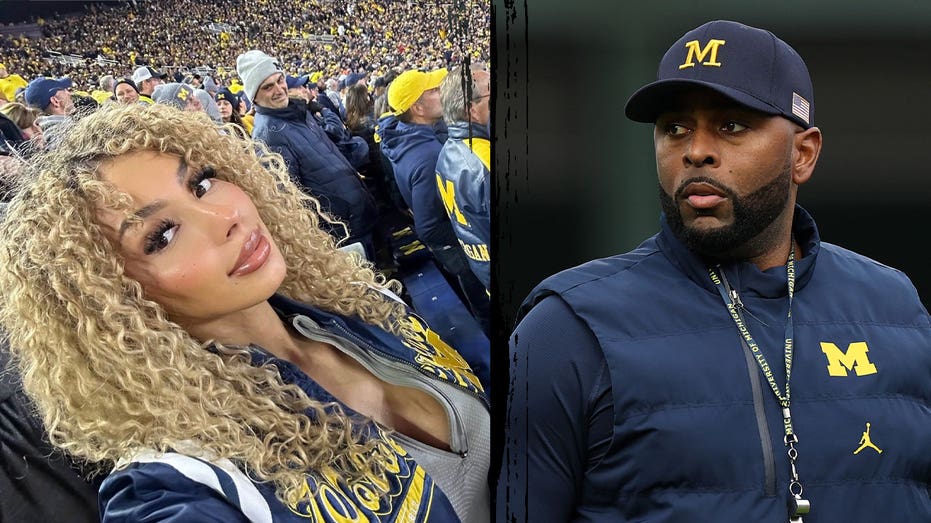
The reported facts – a coach allegedly continuing contact after a breakup, being investigated by the university, then allegedly entering the staffer’s home, grabbing a knife and scissors, and threatening self-harm – take this well beyond a consensual office relationship into a case that prosecutors describe as “terrorizing” and a risk to public safety.
In the #MeToo era, institutions have less room to treat such cases as private “personal matters.” There’s growing pressure from students, faculty, and staff for universities to act decisively when powerful figures allegedly abuse their position or pose a safety risk. That’s true whether the coach is Black or white – but again, the downstream career consequences don’t unfold on a level playing field.
What mainstream coverage often misses
Much of the immediate coverage focuses on the lurid details, the charges, and the spectacle of a rising coaching star imploding. What gets less attention:
- The structural context – how underrepresentation of Black coaches amplifies the impact of any high-profile scandal involving one of the few who make it.
- The “pipeline” effect – young Black assistants watching this unfold and internalizing the message that they must be perfect in a system that often isn’t fair to begin with.
- The incentive problem – if administrators quietly conclude that hiring Black head coaches is “too risky” in a crisis-averse environment, they may default even more to “safe” (often white) candidates.
There’s also a nuance in Hill’s comments that’s easy to miss: she calls Moore a “cornball” and says he “earned whatever is coming,” while still insisting that Black coaches should not collectively pay for his choices. That’s not racial solidarity at all costs; it’s an attempt to hold two truths at once – that personal accountability and systemic bias can coexist.
What this signals for the future of Black coaching candidates
The direct impact of Moore’s case will depend on the legal outcome and Michigan’s internal findings. But the indirect impact is already unfolding in three ways:
- Search committees will quietly recalibrate risk. At Michigan and similar programs, some decision-makers may become even more wary of hiring another first-time Black head coach into an elite job. Instead of asking, “Who is the best coach available?” they’ll ask, “Who feels safest to our donors and board?” Historically, that has not favored Black candidates.
- Black assistants will feel the pressure intensify. For Black coordinators and position coaches eyeing head jobs, the lesson isn’t just about avoiding misconduct; it’s that any perceived personal flaw might be career-ending, while their white peers may be able to survive a scandal with savvy PR and time.
- The redemption gap will be harder to ignore. As more fans and commentators notice how often white coaches get multiple chances after serious infractions, while Black coaches struggle to land job number two, the legitimacy of the entire hiring ecosystem comes under question. That could drive calls for more transparent hiring processes, oversight, and diversity benchmarks.
What would a fairer system actually look like?
A more equitable coaching landscape doesn’t mean every disgraced coach gets a second chance. It means the criteria for punishment and forgiveness are applied consistently, regardless of race.
That would require:
- Clearer standards for how institutions respond to misconduct, with written policies that reduce ad-hoc, reputation-driven decisions.
- Greater transparency from athletic departments about how hiring and rehiring decisions are made, and who sits in the room when those calls are decided.
- Diversification of gatekeepers – more Black athletic directors, more diverse hiring committees, and less reliance on the same small circle of search firms and consultants.
- Data tracking on hiring and rehiring by race, role, and type of infraction, so patterns can be debated with evidence rather than anecdotes.
Without those guardrails, each high-profile case like Moore’s plays out as a morality play for one man, while the underlying inequities quietly deepen.
Looking ahead: what to watch
Several key questions will shape whether Moore’s case becomes a footnote or a turning point:
- How aggressively do universities, especially Michigan, talk publicly about race, representation, and future hiring in the wake of this scandal?
- Do major programs continue or slow the trend of hiring Black coordinators and first-time Black head coaches over the next hiring cycles?
- Will any athletic director eventually be willing to gamble their political capital on Moore – or another Black coach with a similar fall – the way some have for Petrino, Freeze, and Pitino?
- How do coaching advocacy groups and agents respond? Do they use this moment to push harder for structural change, or does the conversation fade until the next crisis?
The bottom line
Sherrone Moore is accountable for his own alleged actions. The criminal courts and Michigan’s internal processes will determine his immediate fate. But the broader story is about who gets to fail, who gets to come back, and how much collateral damage the few Black head coaches at the top of college football must absorb every time one of them falls.
Until college sports confronts the racial imbalance in who is hired, fired, and forgiven, scandals like this will never be just about one coach and one case. They will be stress tests of a system that still hasn’t decided whether it truly believes in equal opportunity – including the opportunity to be redeemed.
Topics
Editor's Comments
One uncomfortable truth in this story is that two things can be simultaneously true and deeply in tension. First, the allegations against Sherrone Moore are serious enough that any institution would face intense pressure to act quickly, regardless of race. Second, the long-term career fallout he faces almost certainly won’t be race-neutral, because the marketplace for coaching redemption has never been race-neutral. Too much coverage tries to resolve this tension by picking a side: either Moore is a victim of systemic racism or he is solely the architect of his own downfall. The reality is messier. He can be fully responsible for his alleged behavior and still operate within a system where Black coaches are less likely to be hired, less likely to be forgiven, and more likely to have their failures projected onto others who look like them. If we only argue about whether Michigan was right or wrong to fire him, we miss the more urgent question: why do similar scandals produce such different long-term outcomes depending on who is in the head coach’s office?
Like this article? Share it with your friends!
If you find this article interesting, feel free to share it with your friends!
Thank you for your support! Sharing is the greatest encouragement for us.