
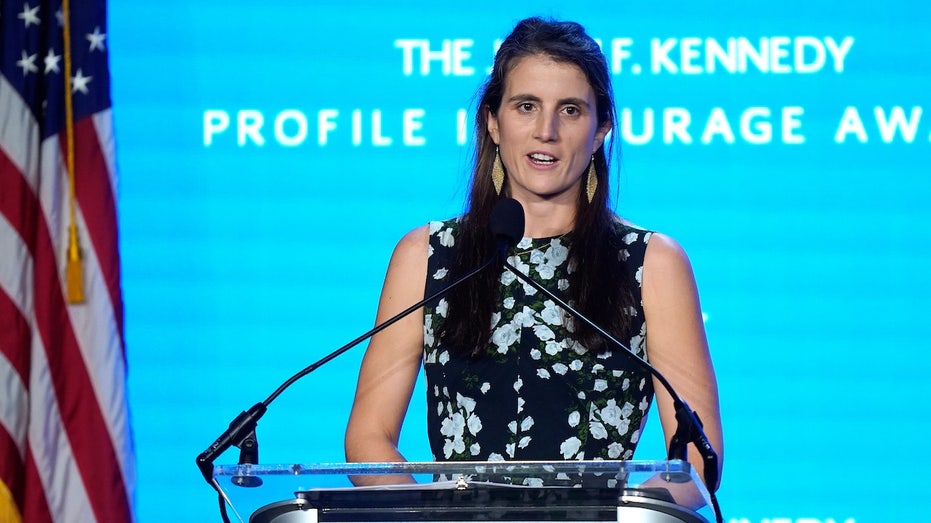
Tatiana Schlossberg's AML Diagnosis Reveals Urgent Need for Precision and Early Detection in Aggressive Leukemia

Sarah Johnson
December 3, 2025
Brief
Tatiana Schlossberg’s AML diagnosis spotlights challenges in early detection, genetic risk, and treatment obstacles, revealing urgent needs for precision medicine and immunotherapy in aggressive leukemia care.
Opening Analysis
The recent revelation that Tatiana Schlossberg, granddaughter of President John F. Kennedy, has been diagnosed with acute myeloid leukemia (AML) has cast a spotlight on one of the deadliest and most aggressive forms of blood cancer. Beyond the tragic personal story, this development raises urgent questions about early detection, genetic risk factors, treatment challenges, and ongoing advances in leukemia care. Understanding the nature of AML and its rapidly evolving treatment landscape is critical—not only for patients like Schlossberg but also for public health, as leukemia incidence and survivability remain complex and multifaceted issues.
The Bigger Picture
Acute myeloid leukemia is a fast-progressing cancer originating in the bone marrow, where blood cells are produced. Historically, AML has been recognized since the early 20th century as a particularly severe leukemia subtype with poor outcomes relative to other leukemias. While leukemia treatment evolved significantly over decades, AML remains challenging due to its biological heterogeneity and rapid progression.
The disease often strikes middle-aged and older adults, though younger patients are affected as well. Genetic mutations, environmental exposures (such as smoking and benzene), prior chemotherapy, and radiation can increase AML risk. However, most cases arise without identifiable cause, complicating early detection efforts.
Schlossberg’s diagnosis aligns with broader historical understanding of leukemia’s genetic complexity. Her AML is driven by a rare gene mutation known as "inversion 3," involving an abnormality on chromosome 3. This mutation has long been associated with particularly aggressive AML forms that resist standard chemotherapy, highlighting the ongoing challenges leukemia specialists face in tailoring treatments for genetic subtypes.
What This Really Means
The significance of Schlossberg’s case sheds light on several core issues in AML care. First, the difficulty in early detection: symptoms such as fatigue, fever, bruising, and infections are nonspecific and often mistaken for common illnesses, leading to delayed diagnosis and treatment.
Second, the prognosis linked to specific genetic mutations like inversion 3 underscores how precision medicine approaches are urgently needed but not yet fully realized in AML. Traditional chemotherapy remains the backbone of treatment, but it is often insufficient for high-risk genetic variants.
Third, the interplay of genetics and environment highlights an unsettling reality: while some AML types have known risk factors, most patients do not have identifiable causes, limiting prevention strategies. This emphasizes the need for broad genetic screening and innovative surveillance in at-risk populations.
Importantly, Schlossberg’s diagnosis shortly after childbirth also touches on the critical but underexplored intersection of cancer and pregnancy—a time when immune and blood system changes may mask or trigger malignancies.
Expert Perspectives
Dr. Stephen Chung, UT Southwestern Medical Center, leukemia expert: "Inversion 3 correlates with a very high rate of resistance to standard chemotherapy treatments and, therefore, very poor clinical outcomes. This form of AML demands new approaches beyond the traditional model. Advances in genetic profiling and targeted therapies are crucial to improving survival rates."
Dr. Pamela Becker, City of Hope Division of Leukemia: "The symptoms of AML are often mistaken for flu or fatigue, which delays diagnosis. Increased awareness among clinicians and routine blood testing can facilitate earlier detection, which is vital for patient outcomes."
Dr. Robert Sikorski, Cero Therapeutics: "In the past decade, AML treatment has evolved more than in the prior 30 years. The introduction of novel targeted drugs and the exploration of immune-based therapies, including CAR-T, give hope for more effective management of high-risk AML patients like those with inversion 3."
Data & Evidence
- AML accounts for approximately 1.2% of all new cancer cases in the US but causes over 1.5% of cancer deaths, reflecting its aggressive nature.
- Five-year survival rates for AML vary widely by age and genetics: about 30% overall, but lower for patients with high-risk mutations like inversion 3.
- A retrospective cohort study found that AML patients with inversion 3 abnormalities had median survival times under one year with standard chemotherapy.
- Recent clinical trials have introduced targeted agents (FLT3 inhibitors, IDH inhibitors) improving remission rates in subsets of AML—however, inversion 3 still lacks specific targeted treatment.
- AML incidence is rising globally due to aging populations; the American Cancer Society estimates 20,000+ new AML cases annually in the US alone.
Looking Ahead
The future of AML research is rooted in precision oncology and immunotherapy. Genetic screening protocols are expanding to identify hereditary mutations across all age groups to facilitate earlier interventions. Emerging therapies, including cellular therapies like CAR-T and bispecific antibodies, are poised to offer more durable remissions.
Additionally, the integration of genomic data with machine learning may improve risk stratification and individualized treatment planning. For patients with chromosome inversion 3 mutations, several clinical trials are actively recruiting to test novel agents aiming to overcome chemotherapy resistance.
However, access to these advanced treatments remains uneven globally, prompting calls for healthcare equity in cancer care. The intersection of cancer with life events such as pregnancy also requires more focused research to optimize management without compromising maternal or fetal health.
The Bottom Line
Tatiana Schlossberg’s AML diagnosis poignantly highlights the ongoing challenges in combating aggressive leukemias marked by rare genetic mutations. While traditional treatments remain foundational, the path forward lies in expanding genetic screening, advancing targeted and immune therapies, and fostering early detection strategies. Her story brings urgency and attention to a devastating disease that demands continual innovation and compassionate care.
Topics
Editor's Comments
Tatiana Schlossberg’s diagnosis brings renewed urgency to longstanding issues in leukemia research and treatment. Often overshadowed by more common cancers, AML’s heterogeneity and aggressive nature demand ongoing innovation. What strikes me is how genetic complexity intersects with social factors—access to cutting-edge therapies, awareness of symptoms, and timing of diagnosis. Schlossberg’s story—emerging publicly post-childbirth and tied to a rare genetic mutation—highlights how a personal health crisis can illuminate broader systemic gaps in cancer care. We must ask: Are informed genetic screenings available widely? How do socioeconomic factors influence outcomes? And given the pace of scientific advances, how quickly can emerging therapies transition from trials to standard care? Her experience is both a somber reminder of cancer’s brutal realities and a hopeful beacon directing focus toward precision medicine and early intervention strategies.
Like this article? Share it with your friends!
If you find this article interesting, feel free to share it with your friends!
Thank you for your support! Sharing is the greatest encouragement for us.