Inside the Arctic Frost Gag Orders: Navigating Judicial Secrecy, Congressional Privilege, and DOJ Accountability

Sarah Johnson
December 3, 2025
Brief
An in-depth analysis of Judge Boasberg’s gag orders during the Arctic Frost subpoenas reveals challenges balancing judicial secrecy, congressional privilege, and law enforcement oversight amid political tensions.
Opening Analysis
The controversy surrounding Judge James Boasberg’s approval of gag orders during the FBI’s Arctic Frost investigation exposes deep tensions over judicial transparency, congressional oversight, and the balance between law enforcement secrecy and democratic accountability. This story matters because it raises fundamental questions about how the justice system handles subpoenas targeting legislators, the safeguards against potential partisan misuse of prosecutorial power, and the evolving legal norms governing investigative secrecy.
The Bigger Picture
The Arctic Frost investigation, led by former special counsel Jack Smith, emerged from heightened political polarization and scrutiny following the 2020 presidential election and its aftermath. Historically, subpoenas and investigative tactics involving lawmakers are rare and highly sensitive, due to constitutional protections such as the Speech or Debate Clause, which shields congressional activities from certain judicial intrusions. The use of gag orders—a procedural tool allowing courts to restrict disclosure about subpoenas—reflects a longstanding law enforcement practice aimed at preserving investigatory integrity but also carries risks of overreach and opacity.
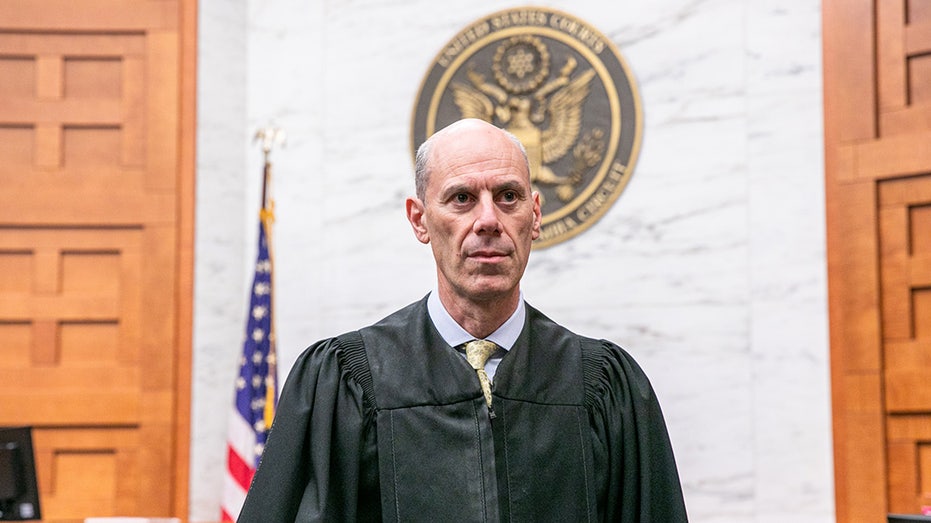
Judge Boasberg, as chief judge of the U.S. District Court for D.C., holds significant influence over sensitive national security and political investigations. The revelation that his court routinely granted gag orders without awareness of congressional targets highlights systemic communication gaps between prosecutors and the judiciary. The Department of Justice's policies prior to reforms in 2024 allowed such secrecy, but the introduction of mandatory disclosures regarding subpoenas aimed at members of Congress reflects emerging recognition of the constitutional and political sensitivities involved.
What This Really Means
The crux of the issue lies at the intersection of accountability and secrecy. While gag orders are essential for certain investigations, the concealment of subpoenas involving lawmakers raises concerns about potential infringements on separation of powers and misuse of prosecutorial authority. GOP lawmakers’ allegations that the DOJ conducted a "partisan dragnet" target fundamental questions about the impartiality of federal investigations into politically charged matters.
The administrative office’s explanation—that Boasberg was likely unaware of congressional involvement due to the anonymized nature of non-disclosure requests—reveals procedural blind spots. These blind spots obstruct meaningful judicial review tailored to the unique constitutional status of lawmakers. Moreover, the refusal by Boasberg to engage directly with Congress on these matters, citing sealed materials, fuels suspicions of judicial complicity or at least institutional opacity.
Revised DOJ policies requiring notification to courts when congressional subpoenas are involved mark a critical shift toward heightened oversight. Yet, the fact that these reforms arrived only after an inspector general’s report and following public uproar indicates reactive rather than proactive governance. It underscores the perennial challenge of balancing investigatory effectiveness against democratic norms and rights.
Expert Perspectives
Lisa Kern, Constitutional Law Scholar at Georgetown University: "The speech or debate clause is a keystone of legislative independence. Any encroachment through investigative subpoenas demands scrupulous judicial awareness and transparent oversight. The lack of judge notification in Boasberg’s approval process undermines the constitutional safeguards Congress enjoys."
David Kris, former DOJ National Security Official: "Gag orders are routine tools in investigations to preserve secrecy, but when applied to congressional records without explicit judicial awareness, they risk fueling political skepticism and allegations of abuse. DOJ’s new policies are a necessary but overdue corrective."
Margaret Taylor, Political Ethics Analyst: "This controversy reveals how politicization of judicial processes can erode public trust. Transparency—not just secrecy—is vital when law enforcement touches on elected officials, lest democratic accountability suffer."
Data & Evidence
- Approximately a dozen House and Senate lawmakers had their phone records subpoenaed under gag orders in Arctic Frost, spanning calls and message metadata but excluding content.
- Before the 2024 policy revision, DOJ gag order requests routinely omitted identifying details to judges, citing operational security; this practice was critiqued in a 2024 DOJ Inspector General report for insufficient transparency.
- Impeachment proceedings against federal judges for procedural issues like those alleged against Boasberg are exceedingly rare, historically reserved for criminal conduct such as bribery, pointing to the gravity of these congressional calls for accountability.
Looking Ahead
Going forward, Congress and the judiciary face a delicate balancing act. Enhanced procedural rules to ensure judges are fully informed about the parties targeted in subpoenas—especially legislators—are likely to solidify. This may result in stricter standards for approving gag orders and increased judicial scrutiny of politically sensitive investigations.
The political ramifications could deepen partisan divides over judicial independence and DOJ oversight, possibly motivating legislative reforms or further impeachment talk, though such actions remain uncommon and politically fraught.
Additionally, this episode may catalyze renewed debate on how to protect constitutional privileges for lawmakers while enabling legitimate law enforcement efforts in high-profile political investigations. The transparency demanded by lawmakers signals a broader public appetite for accountability mechanisms that do not compromise investigatory integrity.
The Bottom Line
The Arctic Frost subpoena and gag order controversy illustrates the complex tensions at the nexus of judiciary independence, congressional privilege, and prosecutorial discretion. Procedural gaps and secrecy fueled perceptions of potential overreach, prompting important reforms but also political backlash. How the DOJ, courts, and Congress navigate these issues in the near term will shape the precedent for handling similarly sensitive inquiries and influence public trust in democratic institutions.
Topics
Editor's Comments
The Arctic Frost saga underscores how procedural opacity can fuel deep political controversies with lasting institutional consequences. What might appear as routine judicial actions—such as signing gag orders—become highly charged when they intersect with congressional privileges and partisan divides. This episode compels us to rethink judicial communication protocols and DOJ transparency to safeguard both investigative necessity and constitutional rights. Moreover, the calls for impeachment, though extreme, reflect broader anxiety about the independence and accountability of the judiciary in a hyper-partisan era. As this story unfolds, it will be critical to scrutinize not only legal formalities but also the broader norms governing the balance of power among branches of government.
Like this article? Share it with your friends!
If you find this article interesting, feel free to share it with your friends!
Thank you for your support! Sharing is the greatest encouragement for us.