
Judge Boasberg Under Fire: What His Trump-Linked Cases Reveal About Judicial Politics and Independence

Sarah Johnson
December 6, 2025
Brief
An in-depth analysis of Judge James Boasberg’s role in politically charged Trump-era cases, exploring judicial case assignment, political scrutiny, and implications for judicial independence.
Why the Scrutiny of Judge James Boasberg Matters in the Current Political and Judicial Landscape
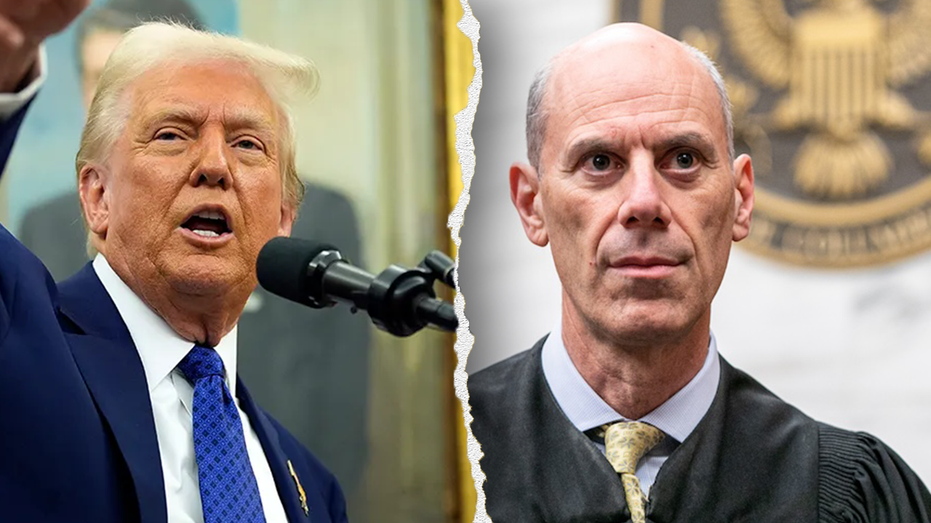
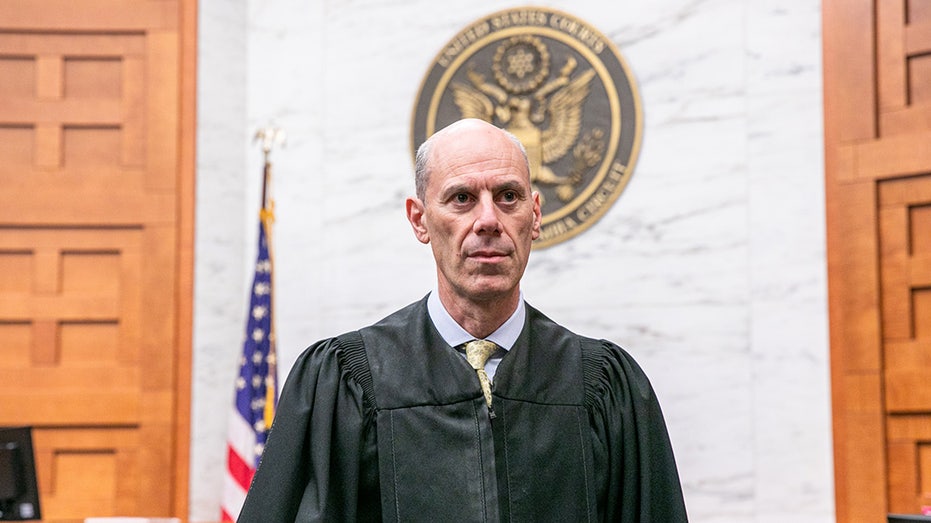
U.S. District Judge James Boasberg has become a lightning rod in recent years for Republican criticism, largely due to his role in adjudicating multiple high-profile cases connected to former President Donald Trump and his administration. This renewed focus, amplified by recent lawsuits involving senior Trump officials, raises important questions about the judicial process, case assignment procedures, and the broader interplay between the judiciary and political power struggles in the post-Trump era.
The Bigger Picture: Historical and Institutional Context
Boasberg’s position as chief judge of the U.S. District Court for the District of Columbia places him at the epicenter of legal battles over federal administrative actions, especially those involving the executive branch. Washington, D.C.’s federal courts have traditionally carried jurisdiction over numerous politically sensitive cases, given the capital’s role as the hub of federal policymaking and governance. This is reflected in the wide-ranging docket that includes immigration cases, national security issues, election law challenges, and administrative law disputes.
Notably, Boasberg’s tenure on the Foreign Intelligence Surveillance Court (FISA Court), appointed by Chief Justice John Roberts for a seven-year term starting in 2014, adds another layer to the understanding of his judicial profile. The FISA Court is often a focal point of controversy due to its secretive deliberations on surveillance matters tied to national security and civil liberties—issues that gained tremendous political attention during the Trump presidency.
Boasberg’s sentencing decision in the case of former FBI attorney Kevin Clinesmith, who pleaded guilty to altering an email linked to surveillance warrants on Carter Page, underscored his nuanced judicial philosophy. Opting for probation over prison time, Boasberg emphasized the extensive public scrutiny Clinesmith had endured, illustrating a pragmatic approach balancing legal accountability with broader contextual factors.
What This Really Means: Judicial Neutrality, Political Weaponization, and Public Perception
Republican lawmakers and Trump allies have repeatedly charged Boasberg with having an outsized role in Trump-related litigation, often framing his assignments as politically motivated. However, former judges and judicial procedural experts clarify that case assignments in the D.C. District Court are done through randomized computer systems designed to distribute cases equitably among judges. This procedural reality challenges the narrative that Boasberg is selectively targeted or wielding undue influence.
Despite these clarifications, the political weaponization of the judiciary continues to shape public discourse. By painting judges like Boasberg as "activist" or politically biased, political actors seek to undermine judicial legitimacy and influence case outcomes outside conventional legal means. This tactic reflects a broader trend of increasing contestation over the judiciary’s role amid growing polarization and skepticism toward institutional norms.
The controversy surrounding Boasberg also highlights the tension between judicial responsibility and political sensitivity when adjudicating cases with national security or immigration implications. In particular, his rulings related to the Trump administration's attempt to deport Venezuelan migrants under the Alien Enemies Act expose challenges courts face in balancing executive authority and individual rights in fraught areas of law.
Expert Perspectives
Philip Pro, former U.S. district judge (Reagan appointee): "Judges are totally reactive by design. We’re assigned cases randomly and have no say in the docket. There is nothing ‘rogue’ about these decisions."
Liam O’Grady, former U.S. District Judge and fellow FISA Court member: "Boasberg did not pick these issues arbitrarily. He must weigh competing legal claims presented by the executive and plaintiffs. It’s the court’s constitutional role to decide."
Legal scholar and federal courts expert Erika L. Smith: "The ongoing politicization of judges like Boasberg symbolizes a concerning erosion of judicial independence, especially in courts that rule on executive power. Such attacks risk destabilizing public trust in impartial adjudication."
Data & Evidence
Analysis of docket assignments at the D.C. District Court shows that Boasberg’s Trump-related cases constitute a smaller share of the total than some of his colleagues. This disproves assertions of targeted case-loading. Furthermore, the court’s reliance on computerized random distribution of cases is consistent across districts nationwide to prevent bias.
Cases like the Alien Enemies Act deportation challenge, which spanned several months and involved emergency orders, naturally occupy more judicial calendar time and media attention, skewing public perceptions of case volume.
Looking Ahead: What to Watch in Judicial Politics and Case Management
As the judiciary continues to handle litigation emanating from the Trump administration and related political controversies, expect persistent Republican scrutiny of judges perceived as unfavorable to their interests. Congressional inquiries into case assignment procedures may increase pressure on court administration but are unlikely to result in significant changes given procedural safeguards.
Moreover, the evolving dialogue about "activist judges" versus judicial independence will remain central to debates over court reform, judicial appointments, and the politicization of the federal bench.
How judges like Boasberg navigate these pressures while maintaining adherence to legal principles in complex, politically charged cases will have lasting ramifications for public trust in the courts and the rule of law itself.
The Bottom Line
Judge James Boasberg’s position at the intersection of law and politics embodies the contemporary challenges facing the U.S. judiciary. Despite political fallout and partisan critique, structural protocols ensure fair case assignment. Understanding this dynamic is essential to appreciating the judiciary’s delicate role in mediating conflicts over executive power and safeguarding constitutional order amid partisanship.
Topics
Editor's Comments
The persistent focus on Judge Boasberg as a purportedly 'activist' judge is a striking example of how judicial impartiality becomes a casualty in highly polarized political environments. Despite clear procedural safeguards in case assignment, narratives framing judges as politically biased serve to delegitimize the judiciary. This tactic not only threatens the principle of checks and balances but also complicates public understanding of judicial roles. As threats to judicial independence intensify, it’s crucial to underscore the institutional norms that guide judicial behavior and resist conflating legal outcomes with partisanship. Boasberg’s handling of thorny legal questions, particularly those touching on national security and immigration, underscores the judiciary’s difficult balancing act between enforcing the law and navigating political pressures.
Like this article? Share it with your friends!
If you find this article interesting, feel free to share it with your friends!
Thank you for your support! Sharing is the greatest encouragement for us.