Ben Roethlisberger’s Call for Change Marks a Crucial Turning Point for the Steelers

Sarah Johnson
December 4, 2025
Brief
Ben Roethlisberger’s call for a fresh start for Steelers coach Mike Tomlin reveals a pivotal moment, highlighting challenges of coaching longevity, team decline, and the broader need for organizational renewal.
Why Ben Roethlisberger’s Call for a ‘Fresh Start’ Signals a Pivotal Moment in Steelers History
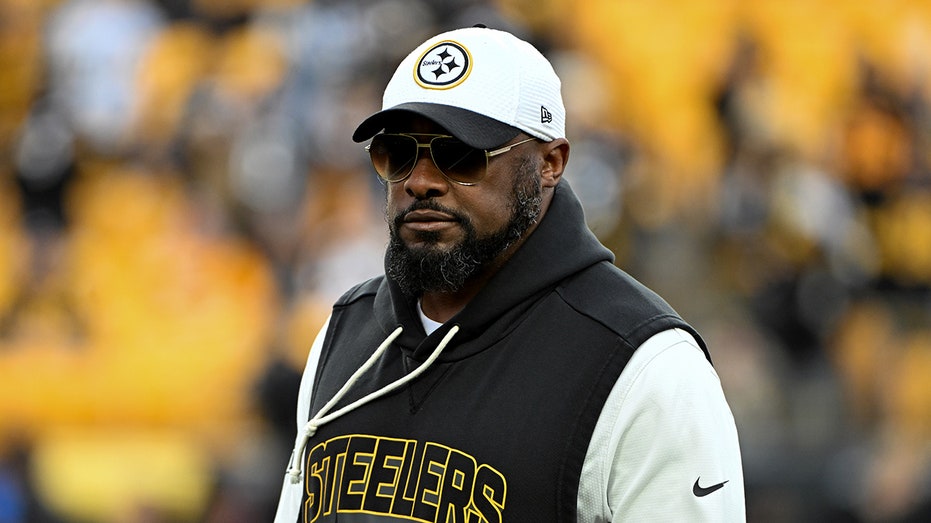
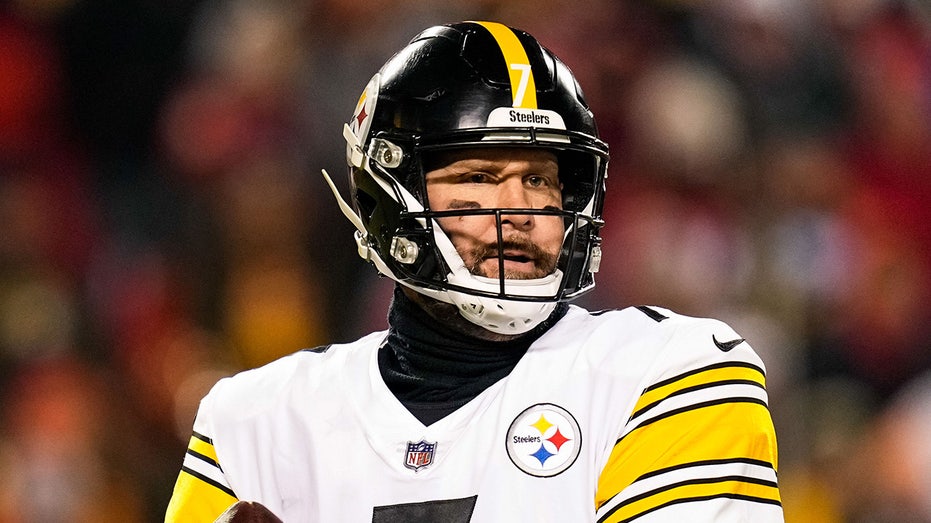
The Pittsburgh Steelers have long been a bastion of coaching stability and organizational consistency in the NFL, anchored by Mike Tomlin’s 19-year tenure as head coach. However, recent struggles both on the field and among fan sentiment have brought this era to a possible inflection point. Ben Roethlisberger, the franchise’s legendary quarterback who spent 15 seasons under Tomlin, recently voiced support for the idea that a "fresh start" might be necessary, echoing growing skepticism among supporters and some former players. This moment, while painful for dedicated Steelers fans and the organization’s identity, warrants a deeper analysis to understand its causes, significance, and what it means for the franchise’s future.
The Legacy of Stability: Tomlin’s Place in Steelers History
Since his hiring in 2007, Mike Tomlin has been revered for maintaining the Steelers' culture of toughness and competitiveness. As the NFL’s longest-tenured head coach, his 304 games and a career record of 189-113-2 stand as a testament to consistent success. Notably, he has never had a losing season, a feat unmatched by most modern coaches. This durability and winning record have been pillars of the Steelers’ organizational brand—emphasizing continuity in an era of rapid personnel turnover league-wide. Tomlin's leadership culminated in a Super Bowl victory in 2008, reinforcing his legacy as a championship-winning coach.
Yet, longevity alone can veil underlying issues. Over the past two seasons, the Steelers have struggled in critical moments, and their performance point to deeper strategic and motivational challenges. Their 6-6 record and poor recent form, including five losses in seven games, reflect erosion from the dominance they once commanded in the AFC North.
Underlying Causes: Coaching, Personnel, and Organizational Fatigue
Roethlisberger’s suggestion of a “clean house” and a fresh start for Tomlin is not merely a reaction to disappointment but signals a recognition that organizational fatigue may have set in. The same personnel and coaching philosophy that once drove success might now be limiting adaptability in a league defined by innovation and rapid tactical evolution.
Mike Tomlin’s coaching style, often lauded for discipline and consistency, may be less effective in re-energizing players or extracting peak performance from today’s Steelers roster. Former linebacker James Harrison’s critique that Tomlin has failed to bring out the full potential of players highlights a crucial distinction between a good coach who manages a team and a great coach who elevates it beyond expectations. In a franchise famous for finding and developing talent, the inability to maximize current resources threatens competitive viability.
Moreover, the Steelers’ offense has struggled notably. The recent game against the Buffalo Bills highlighted problems adapting mid-game and protecting the quarterback, as exemplified by a quick, game-changing turnover forced on Aaron Rodgers. These tactical shortcomings underscore concerns about coaching adjustments and game management under pressure.
Broader Trends: NFL Coaching Tenure and Franchise Renewal
The Steelers have been a historic outlier in an NFL landscape marked by coaching churn. While most franchises cycle through head coaches every few years, the Steelers have prized organizational continuity. However, the benefits of stability must be balanced against the risks of stagnation. Across the league, declining team performance often precipitates coaching changes as part of broader renewal strategies to inject fresh ideas, energy, and culture.
The call for change aligns with a pattern seen in franchises when longtime leadership no longer achieves elite results. It raises a cautionary tale of how even revered leaders must periodically reinvent their approach or step aside to prevent institutional decline. Roethlisberger’s suggestion that Tomlin explore opportunities elsewhere—even potentially at the collegiate level with a program like Penn State—reflects an awareness that a change in environment can revitalize coaching careers and provide new challenges that reignite passion and innovation.
Expert Perspectives
Football analysts and former coaches echo this nuanced view. Doug Pederson, former Eagles coach, has noted that extended tenure requires constant evolution, saying, “Coaches who adapt and bring fresh perspectives tend to sustain success longer.” Meanwhile, Tony Romo, former NFL quarterback and current commentator, highlights the critical role of player buy-in: “At the end of the day, leadership has to meet the moment and inspire players to rise. When that's missing, changes are inevitable.”
Data & Evidence
Examining recent statistical trends, the Steelers’ offensive rankings have slipped, particularly in yardage per play and third-down conversions, which are key drivers of sustained success. Their turnover differential has worsened compared to earlier seasons under Tomlin. Historically, teams that falter late in the season and fail to adjust often see coaching changes shortly after. The Steelers’ last playoff appearance was in 2020, and their recent 6-6 record positions their postseason hopes precariously.
Implications and What to Watch
Looking ahead, the upcoming matchup against divisional rival Baltimore Ravens is pivotal. A loss could further catalyze calls for coaching changes. Organizational insiders will be watching how Tomlin and the front office respond—whether with immediate tactical adjustments or longer-term strategic shifts.
If Tomlin departs, the Steelers face a transitional period that could redefine the franchise’s identity. Choosing a successor who blends respect for tradition with innovative approaches will be critical. The coaching change might also influence player retention and draft strategy, as adapting to a new system can impact personnel decisions.
The Bottom Line
Ben Roethlisberger’s public acknowledgement of the need for a “fresh start” for Mike Tomlin crystallizes a significant juncture in Steelers history. While Tomlin’s tenure has been marked by remarkable stability and success, current struggles highlight the inherent challenges of coaching longevity in a dynamic league. The Steelers organization now confronts a choice: continue with the familiar or embrace change to reclaim competitiveness and renewed energy. This moment transcends a mere coaching debate; it questions how legacy franchises balance tradition with evolution amidst modern football's unforgiving landscape.
Topics
Editor's Comments
The conversation around Mike Tomlin’s future is about more than just wins and losses—it reflects the broader pressures on longstanding leaders in any field to innovate or yield to change. The Steelers’ dilemma is emblematic of a classic tension between tradition and evolution within storied institutions. Tomlin’s track record is impressive, but football is an unforgiving business where past success offers no guarantees. Watching how the Steelers navigate this moment will offer insights into the wider challenges facing veteran coaches in a league increasingly focused on adaptability and fresh thinking. This analysis underscores the need for honest self-assessment within organizations that pride themselves on legacy, even as they confront undeniable signs of decline.
Like this article? Share it with your friends!
If you find this article interesting, feel free to share it with your friends!
Thank you for your support! Sharing is the greatest encouragement for us.