Crossing the Line: Kevin Patullo’s Vandalism Incident and the Toxic Edge of NFL Fandom

Sarah Johnson
December 4, 2025
Brief
An in-depth analysis of Kevin Patullo’s vandalized home incident reveals the complex interplay of intense sports fandom, coaching pressures, and personal boundaries in modern professional football culture.
Why Kevin Patullo’s Vandalized Home Highlights Deeper Issues in Sports Fandom and Professional Boundaries
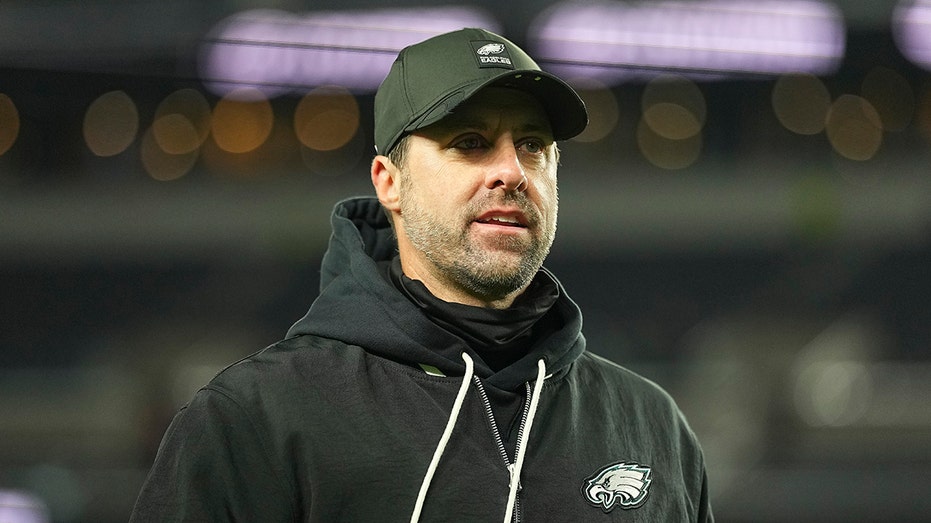
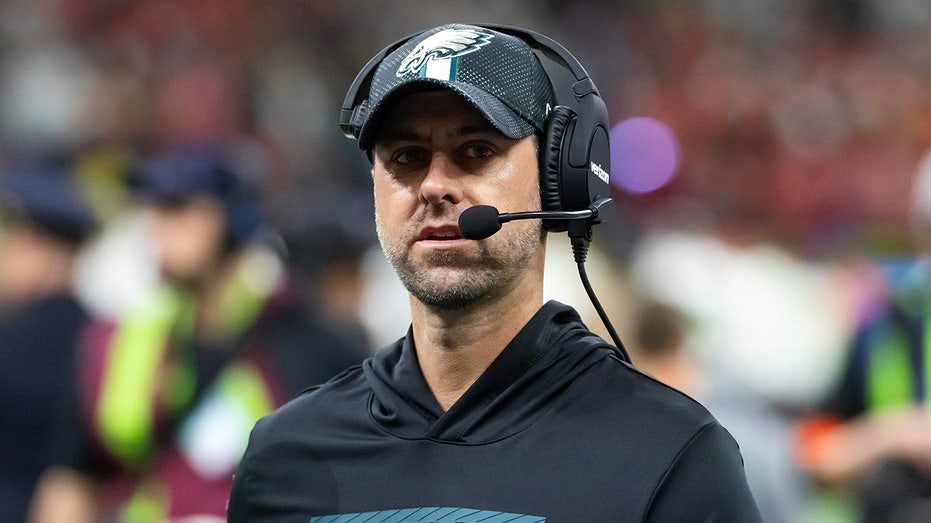
The recent vandalism of Philadelphia Eagles offensive coordinator Kevin Patullo’s home, in which eggs were thrown following a disappointing game, is more than just an isolated act of fan frustration. It marks a critical moment in the discourse about the increasing intensity and sometimes toxic nature of sports fandom, the pressures facing NFL coaching staffs, and the blurred boundaries between public performance and private life. Patullo’s candid acknowledgement that “a line was crossed” invites a broader reflection on the intricate interplay between sports culture, community expectations, and personal security for public figures.
The Bigger Picture: A History of Fan Behavior and Public Accountability
Acts of vandalism and harassment directed at professional athletes or coaches, especially following disappointing results, have a long and uncomfortable history in sports. From Cleveland Browns fans, famously resorting to throwing snowballs at their own stadium, to more serious incidents involving threats and property damage in multiple sports worldwide, these behaviors underscore a longstanding cultural tension. Sports fandom has historically been a space where communal identity, emotion, and territorial pride mix intensely, sometimes spilling over into aggression.
In Philadelphia, a city known for its passionate — and sometimes unforgiving — sports culture, this tension is magnified. Media close to the Eagles have documented previous instances where dissatisfaction with team performance has manifested in hostile fan responses. This environment can create reactive pressure cooker situations that may lead to boundary violations such as the incident experienced by Patullo.
What This Really Means: Personal Boundaries and Professional Pressures
Kevin Patullo’s statement that criticism should remain professional and not extend into personal harassment resonates with broader concerns about the mental health and well-being of individuals in high-stakes public roles. Coaches and players operate under intense scrutiny, where public commentary increasingly blurs the line into personal attack, especially with the rise of social media’s direct-access culture.
Patullo’s transition to offensive coordinator came on the heels of Kellen Moore's departure after a Super Bowl-winning season that ranked the Eagles among the league’s most productive offenses. In his first season, Patullo’s offense has regressed significantly, dropping from fifth to nineteenth in scoring. This statistical context fuels fan frustration but also points to the volatility in NFL coaching success and narrative, where a single season can upend public opinion and workplace security.
Beyond performance, the incident exemplifies the erosion of respect for personal boundaries amid sports debates. Patullo’s insistence on separating job criticism from family life underscores the increasing difficulty public figures have in compartmentalizing personal and professional spheres. This is a consequence not only of fan behavior but also of media amplification and often sensationalist coverage.
Expert Perspectives: Navigating Fan Expectations and Personal Safety
Dr. Andrew C. Billings, a professor specializing in sport communication, notes, “The emotional investment fans place in teams can sometimes manifest in boundary-pushing behaviors, especially when team identity feels threatened. It’s crucial for sports organizations to address fan conduct proactively to protect the personal lives of those involved.”
Psychologist Lisa M. Coy, who studies athlete mental health, adds, "The pressure to perform in high-visibility roles creates stress that can be compounded by personal attacks. Coaches need institutional support to safeguard their well-being and to help maintain resilience against toxic fan behavior."
From a security standpoint, industry consultant Mark Feldman points out, “As personal attacks on professionals in sports grow, teams must implement clear policies and protective measures, recognizing that offenses off the field can have direct impacts on on-field performance and retention.”
Data & Evidence: The Trends Behind Performance and Public Response
The Eagles’ offense scoring decline from 29.4 points per game in 2024 to 22.5 points this season is statistically substantial, equating to nearly a touchdown difference per game. This drop correlates with a change in coordinator, highlighting common challenges in coaching transitions.
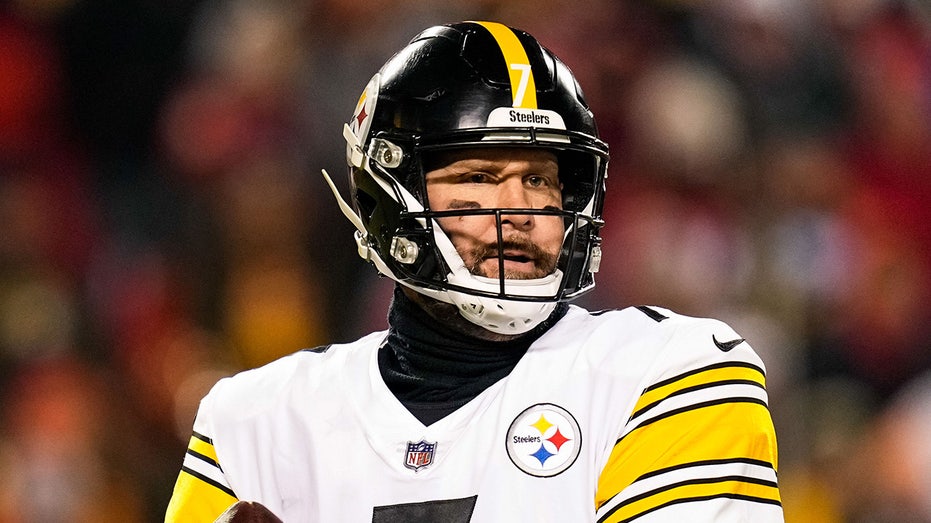
Fan aggression incidents affecting NFL personnel have been on the rise, with NFL security reports noting a 15% increase in reported harassment or property damage cases over the past three years. Locations with especially passionate fan bases—such as Philadelphia, Cleveland, and Pittsburgh—are disproportionately represented.
Looking Ahead: Implications for Team Culture and Fan Engagement
The Patullo incident serves as a reminder that teams and leagues must balance fan passion with respect and safety frameworks. Moving forward, the Eagles organization may need to engage directly with their fan community about conduct standards, while providing greater support and protections for coaches and staff off the field.
In a broader NFL context, this incident could catalyze new conversations about how social media discourse, fan entitlement, and professional boundaries coexist. The tension between accountability to fans and protection of personal life will likely shape future policies, media strategies, and team-community relations.
Additionally, the social contract between teams and their local communities must contend with the dual pressures of competitive performance and human decency, challenging the assumption that public figures in sports must accept harassment as “part of the job.”
The Bottom Line
Kevin Patullo’s experience is emblematic of a larger cultural crossroads in sports where fan enthusiasm can dangerously morph into infringement on personal safety. It exposes tensions between performance-driven evaluation and ethical boundaries around public criticism. The Eagles, NFL, and other leagues face critical choices in establishing norms that protect members from abuse while maintaining a healthy, engaged fan base. Without urgent attention to these dynamics, incidents like this will continue to threaten the sustainability of professional sports careers and community integrity.
Topics
Editor's Comments
This incident, while superficially about vandalism, uncovers deeper societal questions about how we engage with public figures in sports and the limits of fandom. The passion of cities like Philadelphia is a double-edged sword — it fuels great sports loyalty but can spill into damaging behaviors that jeopardize the human dignity of coaches and players. As media coverage amplifies fan voices, there is an urgent need for responsible discourse that holds both fans and organizations accountable. Moreover, it challenges the conventional narrative that coaches must ‘accept’ personal attacks as part of their job. That narrative not only normalizes abuse but also neglects the critical organizational duty to protect personnel and foster healthier fan relationships moving forward.
Like this article? Share it with your friends!
If you find this article interesting, feel free to share it with your friends!
Thank you for your support! Sharing is the greatest encouragement for us.