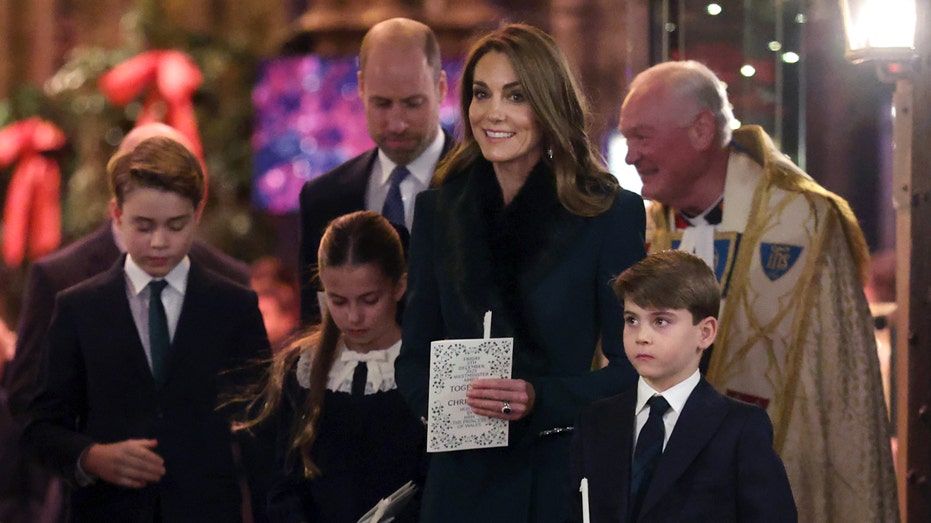
Beyond the Carol: What Princess Kate’s Christmas Service Reveals About Royal Family Power and Unity

Sarah Johnson
December 6, 2025
Brief
An in-depth analysis of Princess Kate’s Christmas carol service reveals royal family dynamics, Kate’s rising influence, and the monarchy’s strategy amid Prince Andrew’s fallout and evolving public expectations.
Why This Moment at the Christmas Carol Service Matters
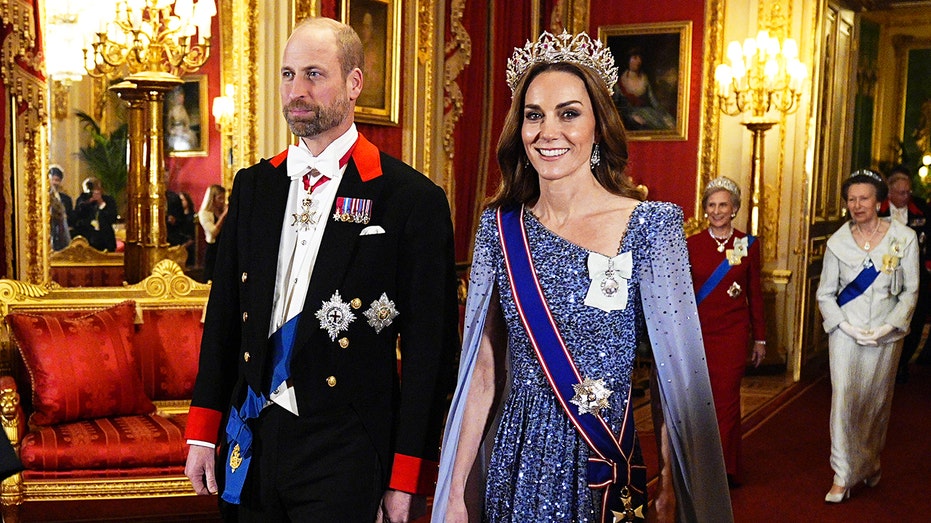
The "Together at Christmas" carol service hosted by Princess Kate at Westminster Abbey offers more than festive cheer; it reflects profound shifts within the British royal family’s internal dynamics and public image. The event’s tone, attendance, and absences—including Princess Beatrice and Princess Eugenie’s notable omission—underscore ongoing consequences of Prince Andrew’s fall from grace and hint at evolving power centers within the monarchy. Understanding this event requires delving into the tumultuous history of the royal family’s recent scandals, the assertion of Kate and William’s roles in shaping the future monarchy, and how these developments resonate with broader societal expectations of leadership, unity, and modern relevance.
The Background: Royal Turmoil and the Fallout from Andrew’s Titles Stripping
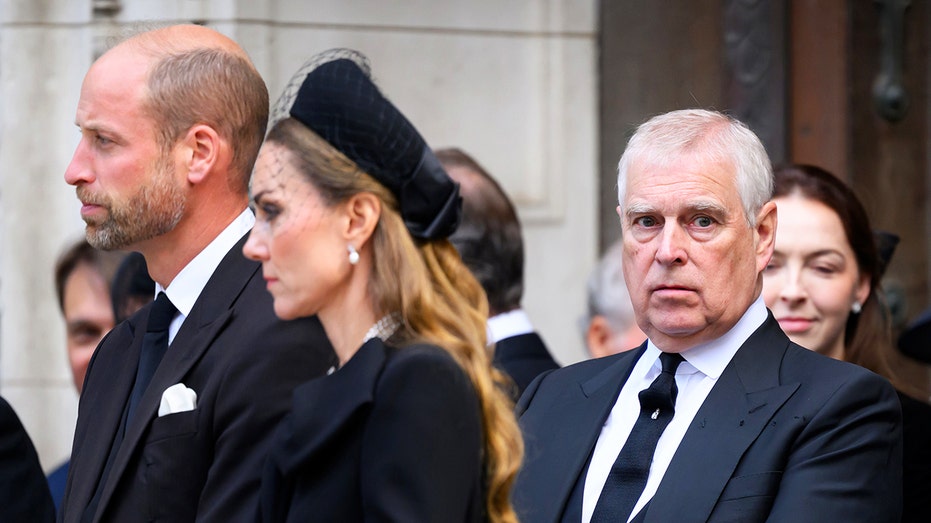
The last few years have been among the most challenging for the British monarchy, with Prince Andrew’s association with the convicted sex offender Jeffrey Epstein triggering a crisis of legitimacy. In October 2025, King Charles III formally stripped Andrew of his royal titles and evicted him from Royal Lodge, a symbolic and practical move signaling a break from the past and an attempt to safeguard the family's reputation.
Princess Beatrice and Princess Eugenie, Andrew’s daughters, have found themselves caught in this familial rift. Despite receiving personal invitations from Princess Kate’s office to attend the carol service, both were absent, with Eugenie publicly expressing regret. Their absence signals the delicate balance the royal family is trying to maintain between compassion and public accountability.
What This Really Means: Kate’s Rising Influence and the New Royal Narrative
The carol service, described as "Catherine’s project," highlights Princess Kate’s emerging role as a pivotal figure in the monarchy’s modernization efforts. Her focus on themes of love, unity, and togetherness projects a carefully curated image contrasting with the fragmentation caused by recent scandals.
Kate’s control over the event—mirroring Prince William’s leadership with initiatives like Earthshot—marks a generational shift within the royals. It represents a subtle yet strategic assertion of power, positioning Kate and William as custodians of a redefined, contemporary monarchy that aims to regain public trust through compassion and community engagement.
Broader Societal Trends
This mirrors wider societal expectations for institutions to demonstrate transparency, resilience, and empathy, especially amid crises. In a fragmented world, narratives of togetherness resonate more than ever, offering the public an aspirational vision of unity that the monarchy desperately needs.
Expert Perspectives
Neil Sean, a seasoned royal commentator, underscores Kate’s authoritative role: "This is Catherine’s project, and she has the final say—very similar to the way Prince William operates Earthshot. Above all, yes, the royal family wants to be seen as united amid what has been a very difficult year."
Royal family biographer and historian Dr. Ingrid Seward notes, "Kate’s stewardship of this event demonstrates the monarchy’s conscious effort to pivot away from controversy, emphasizing shared values that appeal to a broad public audience. It’s part image rehabilitation, part genuine attempt to modernize royal outreach."
Data & Trends
Recent polling by YouGov (November 2025) shows a 12% uptick in favorable views toward the younger royals, particularly Kate and William, since Andrew’s titles were stripped. Meanwhile, public trust in the monarchy overall remains cautious, with 48% expressing faith in its future viability. Youth engagement has grown by 8% around initiatives like Earthshot and community events hosted by the Cambridges.
Attendance dynamics at royal events also reveal shifting allegiances. King Charles and Queen Camilla’s absence from this service for the second consecutive year may indicate a conscious delegation of public-facing roles to the younger generation, signaling a slow but deliberate transition in leadership style and focus.
Looking Ahead: Navigating Family Fractures and Public Expectations
The royal family faces the delicate challenge of balancing private family tensions with the imperative of presenting a united front. How Kate and William manage relationships with Andrew’s daughters—whether through invitations and inclusion or quieter distancing—will be a key bellwether for the monarchy’s approach to reconciliation and image management.
Future "Together at Christmas" services may continue evolving into platforms for showcasing the monarchy's values centered on inclusivity and societal cohesion, helping rebuild a more relatable and forward-thinking royal brand. Simultaneously, scrutiny of behind-the-scenes decisions will persist, as the public and press watch how the royals handle internal disputes.
The monarchy’s ability to stay relevant will also hinge on broader institutional reforms that go beyond symbolic gestures, including addressing historic criticisms and engaging audiences beyond traditional royal watchers.
The Bottom Line
Princess Kate’s Christmas carol service is far more than a seasonal tradition. It stands at the intersection of royal family power realignments, public relations strategy, and generational leadership change. The deliberate framing around love and unity masks complex family dynamics and strategic calculations shaping the monarchy’s future trajectory. Understanding these layers provides crucial insight into how this historic institution aims to navigate unprecedented challenges while striving to remain an emblem of national identity.
Topics
Editor's Comments
This Christmas carol service is a revealing microcosm of the British monarchy’s broader struggle to balance tradition with the imperative for renewal. Kate’s prominent role signals a careful rebranding effort centered on warmth and unity, aiming to heal fractures exposed by scandal. Yet, the absence of Beatrice and Eugenie underscores the limits of that unity—some divides run deep and will require prolonged, delicate navigation. The monarchy’s future hinges on how deftly the Cambridges can manage these private tensions while maintaining public goodwill and modern relevance.
Like this article? Share it with your friends!
If you find this article interesting, feel free to share it with your friends!
Thank you for your support! Sharing is the greatest encouragement for us.