Meghan Markle’s American Princess Act: Clash With Royal Family’s Enduring Message of Service

Sarah Johnson
December 4, 2025
Brief
An in-depth analysis of Meghan Markle’s Netflix holiday special reveals tensions between British royal traditions of service and her American celebrity branding, with implications for monarchy’s future identity.
Why Meghan Markle’s Netflix Holiday Special Sparks a Battle Over Royal Identity and Modern Duty
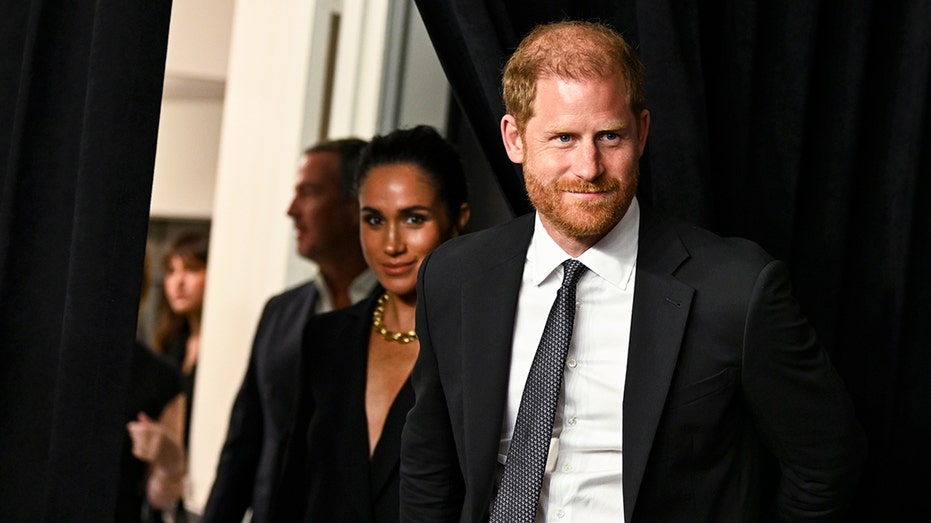
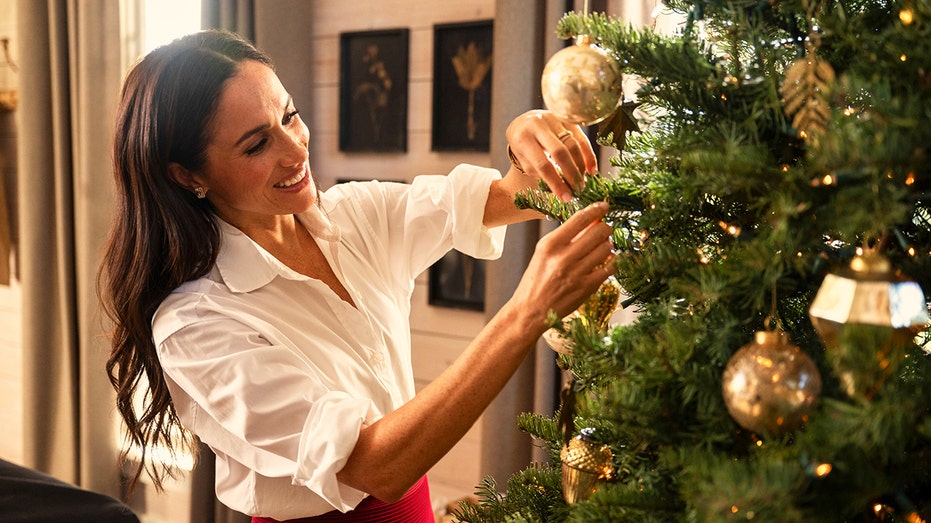
Meghan Markle’s upcoming Netflix holiday special, "With Love, Meghan: Holiday Celebration," is more than just festive cheer—it embodies a cultural clash between traditional royal service and the modern, brand-driven approach to celebrity and identity. This story offers a revealing window into evolving notions of monarchy, public service, and personal branding in the 21st century.
The Bigger Picture: The Historical Roots of Royal Duty
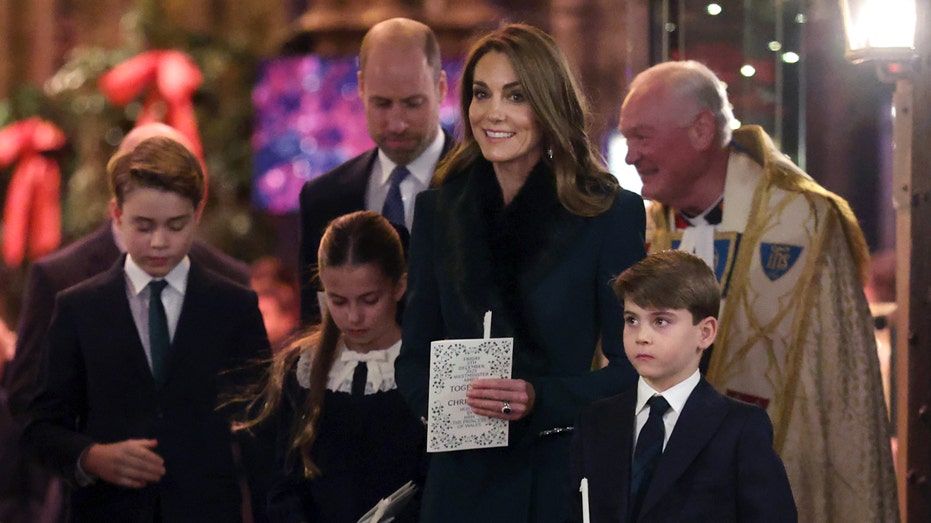
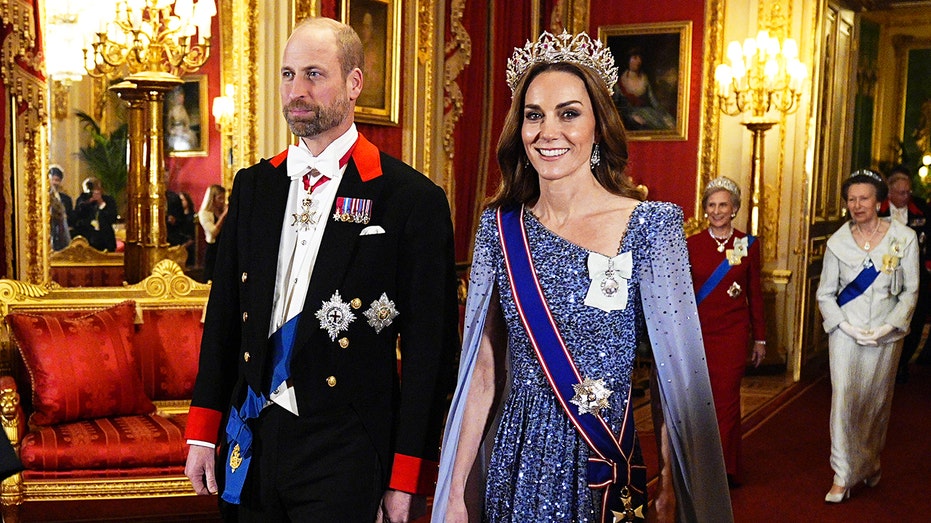
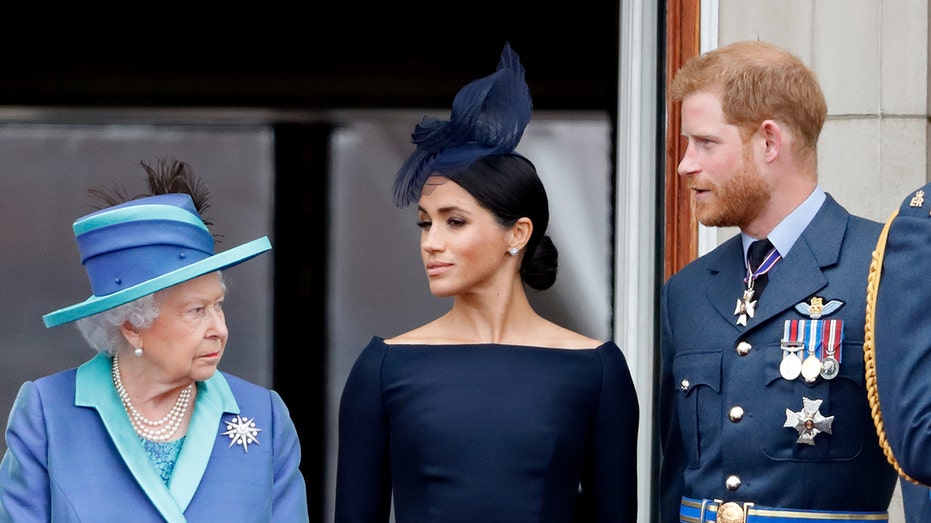
The British monarchy has long traded on an ethos of duty, service, and national unity. From Queen Victoria’s era of moral exemplariness to Queen Elizabeth II’s decades of solemn duty, royals have cultivated an image rooted in public service over personal ambition. The royal family’s holiday engagements, including King Charles III’s Christmas broadcasts and Princess Kate’s "Together at Christmas" carol service, strongly emphasize community, compassion, and support for those who serve others, reinforcing monarchy as a unifying institution.
Yet Meghan Markle’s marriage into the royal family and subsequent departure have upended that paradigm. Her efforts to build a lifestyle brand centered on personal creativity and commercial enterprise—a hallmark of American celebrity culture—highlight the cultural tensions between the British monarchy’s tradition-bound narrative and a new model blending fame, entrepreneurship, and media savvy. This tension recalls previous periods when the monarchy wrestled with modernization and identity, such as the tumult of Edward VIII’s abdication or Princess Diana’s media prominence, but with the stakes amplified by global social media and streaming platforms.
What This Really Means: The Royal Family’s Message of Service Versus Meghan’s Brand-Building
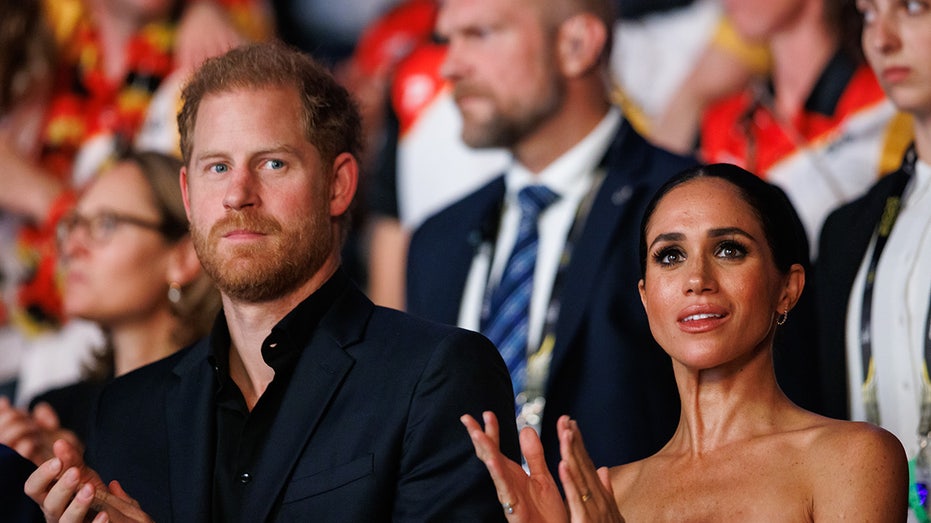
Experts like British royals analyst Hilary Fordwich highlight that Meghan’s Netflix special and lifestyle brand represent a deliberate pivot toward American-style celebrity royalty. This contrasts sharply with the "duty-first" messaging from senior royals like Kate Middleton, whose philanthropic carol services underscore humility and community service over self-promotion. Meghan’s show, which focuses on personal hospitality, crafting, and culinary tips, ostensibly promotes warmth and generosity, but critics view it as emblematic of a commodified “American princess” persona.
This conflict reveals deeper questions about the evolving role of royals in a media-saturated world. The Sussexes’ departure from official duties and their lucrative Netflix deal illustrate a shift from inherited status to earned celebrity—and the concomitant tensions this creates with a monarchy rooted in tradition, duty, and continuity. Meghan’s continued use of the Duchess of Sussex title in commercial ventures—albeit without royal styling—exemplifies a gray zone where personal branding and historical privilege intersect uneasily.
Expert Perspectives: Diverse Views on Meghan’s Role and Impact
Former royal commentators like Helena Chard criticize Meghan’s lifestyle initiatives as disconnected from authentic royal service, framing her as a "boho-style princess" more interested in brand-building than public good. Conversely, supporters argue that Meghan’s efforts carve out new forms of service and influence that resonate beyond archaic protocols, tapping into contemporary values of inclusion, creativity, and entrepreneurship.
Kinsey Schofield points out that the core royal family members—King Charles, Queen Camilla, Prince William, and Princess Kate—regard Meghan’s post-royal ventures as irrelevant to their priorities, indicating intra-family disengagement and a strategic decision to let such projects fade without acknowledgment. This strategic silence itself may reflect a recognition that the monarchy’s authority lies not in policing titles or media narratives, but in its commitment to service and unity.
Data & Evidence: Trends in Royal Popularity and Media Consumption
The Sussexes’ Netflix deal reportedly worth $100 million represents one of the largest celebrity streaming agreements, underscoring their media influence despite royal estrangement. Meanwhile, public opinion polls in the UK continue to show mixed feelings about Meghan, often split along generational and media consumption lines—Younger audiences may admire her entrepreneurial spirit; older or conservative demographics emphasize tradition and duty.
By comparison, the Royal Family’s Christmas events routinely receive millions of viewers in the UK and abroad, with surveys showing high approval ratings for King Charles and Catherine’s messaging of service and unity. This divergence points to competing models of influence: commodified global celebrity versus monarchic symbolism tied to national identity.
Looking Ahead: Implications for Monarchy, Media, and Identity
Meghan Markle’s holiday special is emblematic of broader challenges facing modern monarchies adapting to the digital age. Will royal institutions evolve to accommodate personalized brands and entrepreneurial ventures, or will they double down on traditional service models? The Sussexes’ trajectory suggests that some royals are embracing a hybrid identity—part celebrity, part legacy figure—in global media ecosystems.
Looking forward, audiences and the monarchy alike will gauge whether Meghan’s brand-building efforts translate into tangible social impact or remain celebrated personal ventures. The continued tension between official royal messaging and offshoot celebrity projects will likely shape public perceptions of monarchy, especially as sustainability of legacy institutions depends increasingly on relevance and adaptive capacity.
The Bottom Line
Meghan Markle’s Netflix holiday special underscores a fundamental tension between traditional British royal values—centered on public service and national unity—and a new, commercially driven American style of personal branding. While the royal family reinforces its image as a duty-focused institution, Meghan’s lifestyle initiatives highlight evolving concepts of influence and identity in the 21st century. This story reveals deeper questions about the monarchy’s future role and the nature of modern celebrity, offering a compelling case study in cultural adaptation, media power, and the complex interplay between tradition and transformation.
Topics
Editor's Comments
Meghan Markle’s ongoing media presence raises important questions about what contemporary monarchy means in an era where personal branding and global digital platforms blur traditional lines of authority and service. While critics often frame her ventures as self-serving, it’s worth considering how these efforts also reflect shifting social norms, where influence is no longer confined to established institutions but dispersed across new forms of cultural production. This case challenges the monarchy to either adapt by embracing modern modes of engagement or risk alienating audiences who value authenticity and relevance. Moreover, the distinctly American style of celebrity royalty embodied by Meghan may invite fresh dialogues about multiculturalism and modernization within the royal narrative—topics worth deeper exploration beyond initial controversy.
Like this article? Share it with your friends!
If you find this article interesting, feel free to share it with your friends!
Thank you for your support! Sharing is the greatest encouragement for us.