Why Prince Harry and Meghan Markle’s Hollywood Star Power Is Fading Five Years After Royal Break

Sarah Johnson
December 6, 2025
Brief
An in-depth analysis of why Prince Harry and Meghan Markle's Hollywood influence is fading five years post-royal exit, exploring tensions between royal legacy, commercial ambition, and public perception.
Why the Sussexes’ Hollywood Star Power Is Waning: A Deeper Look
The narrative around Prince Harry and Meghan Markle has shifted markedly since their 2020 departure from senior royal duties. Once hailed as a glamorous, transformative couple poised to reshape modern monarchy and celebrity culture alike, their sheen in Hollywood now appears to be dimming. Understanding this decline requires unpacking not just headline controversies or tabloid narratives, but the intricate interplay of royal tradition, media dynamics, commercial interests, and personal identities that shape their public trajectory.
The Bigger Picture: Roots of the Sussexes’ Ascent and Challenges
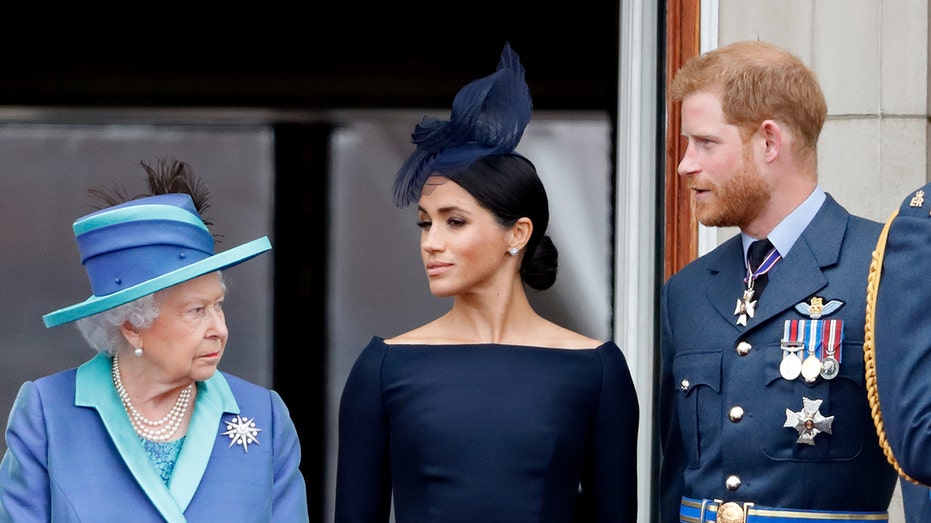
Historically, royal family members who step back from official roles tread a precarious line between reverence for tradition and carving out independent identities. Harry and Meghan’s marriage in 2018 epitomized a modernizing royal moment, infused with Hollywood allure and a global fanbase energized by their apparent break from palace protocol. Their exit from royal duties in 2020 was emblematic of broader societal shifts, including demands for personal autonomy, transparency, and mental health advocacy.
However, their retreat conflicted with enduring British royal norms encapsulated in the "never complain, never explain" ethos—a cultural approach to public scrutiny that contrasts starkly with Hollywood’s relentless spotlight and direct engagement culture. This clash underlies much of the couple’s public struggles.
What This Really Means: Commercial Ambitions vs. Royal Legacy
The couple’s attempt to translate royal brand equity into Hollywood and entrepreneurial success hits complex obstacles. Meghan’s lifestyle brand launch and streaming projects reflect a savvy grasp of modern influencer-style commerce. Yet, as experts like Kinsey Schofield note, leveraging royal titles commercially may antagonize the monarchy and alienate potential audiences who view this as commodification of tradition.
Harry’s personal desire to maintain or restore some royal ties—amid ongoing estrangements particularly with Prince William and a reportedly distant King Charles III—creates tension. His emotional "tethering" to the royal past hampers wholehearted embrace of a purely celebrity trajectory, while Meghan embodies Hollywood’s resilience but carries baggage of criticism intensified by her former royal status.
The couple’s ongoing reliance on each other underscores their isolation: alienated from traditional royal support networks and simultaneously finding diminishing footholds in celebrity spheres that once exalted them. This mutual dependency, while fortifying their partnership, may limit their ability to broaden appeal or navigate public relations missteps independently.
Expert Perspectives: Navigating Opposing Worlds
Royal analyst Hilary Fordwich highlights the divergent coping styles and public engagement strategies: Meghan’s Hollywood-hardened instinct to respond and adapt, versus Harry’s ingrained British reserve and sensitivity to criticism. This discord shapes their media portrayal and public reception, contributing to inconsistent messaging and vulnerability to backlash.
Moreover, media experts emphasize the impact of digital culture and social media's harsh immediacy, which fuels cycles of intense scrutiny and polarized opinion. The Sussexes’ campaigns against social media abuses reflect personal pain but paradoxically clash with the platforms they need for commercial success.
Data & Evidence: A Waning Public Favor
Empirical data from celebrity tracking platforms indicate a decline in favorable sentiment and media coverage positive tone since their exit. Analysis of social media engagement shows decreases in viral moments or influential endorsements. Public opinion polls in the UK and US reflect growing ambivalence or fatigue with the couple’s narrative, especially against the backdrop of ongoing royal family loyalty.
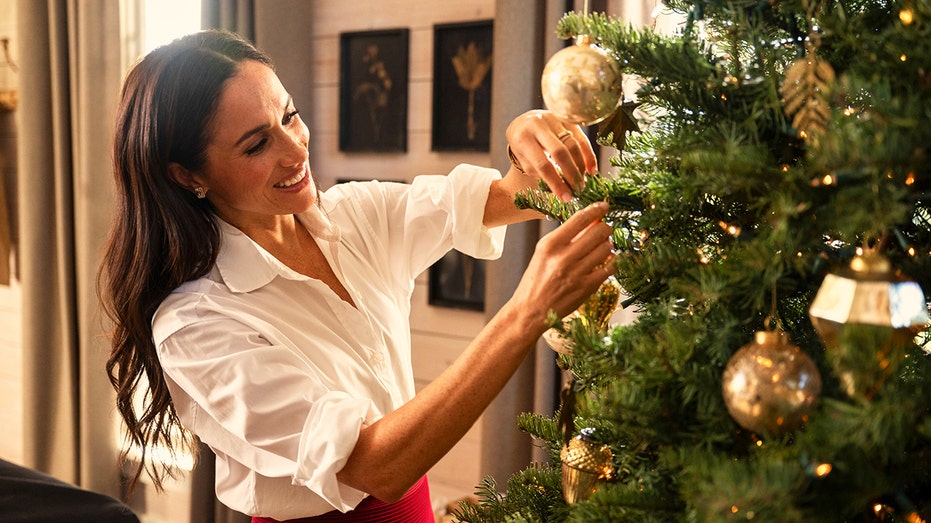
Reviews and viewership metrics for Meghan’s Netflix holiday special signal lukewarm reception, with critics citing tone-deafness—a sign that audiences seek authenticity over manufactured celebrity.
Looking Ahead: What to Watch in 2026 and Beyond
The Sussexes’ future will likely hinge on balancing contending priorities: Meghan’s pursuit of commercial ventures (potentially expanding into beauty or lifestyle sectors), Harry’s personal reckoning with royal estrangement, and the couple’s ability to renew relevance beyond media spectacle.
Potential reconciliation within the royal family is uncertain. King Charles’s health issues and Prince William’s disengagement suggest limited immediate healing. The pair’s continued perceived exploitation of royal associations commercially may reinforce palace distance.
Strategically, their anchoring in Hollywood networks like the Kardashians and streaming platforms offers opportunities but also risks saturation and overexposure without authentic connection.
The Bottom Line
Prince Harry and Meghan Markle’s trajectory reveals the challenges faced by public figures straddling tradition and modern celebrity. Their fading star power signals the limits of royal capital in Hollywood’s fast-moving, unforgiving environment. It also reflects deep personal and institutional tensions that inhibit clear reinvention.
Ultimately, their story illustrates broader societal questions: how personal identity and institutional legacy collide in 21st-century fame, the nuances of public forgiveness and loyalty, and the complex economics of branding royalty in a post-monarchy world.
Topics
Editor's Comments
This analysis reveals how Harry and Meghan’s journey encapsulates a broader societal friction between legacy institutions and modern celebrity culture. Their experience underscores that royal identity carries unique emotional and cultural baggage that does not easily translate into conventional Hollywood success. The public’s shifting expectations—from adoration to demands for authenticity and responsibility—pose critical challenges for any public figure navigating multiple, often conflicting roles. Moreover, this case invites deeper questions about how legacy brands can evolve without alienating core constituencies, a dilemma relevant far beyond royal circles. As the Sussexes continue their complex dance between tradition and reinvention, their choices will be instructive for understanding fame’s evolving nature in the digital age.
Like this article? Share it with your friends!
If you find this article interesting, feel free to share it with your friends!
Thank you for your support! Sharing is the greatest encouragement for us.