Beyond Insults: The Broader Implications of Trump's Attack on Minnesota’s Somali Community

Sarah Johnson
December 6, 2025
Brief
An in-depth analysis of the political and social implications surrounding Trump's derogatory remarks toward Minnesota's Somali community, exploring historical context, expert views, and future ramifications.
Why This Story Matters
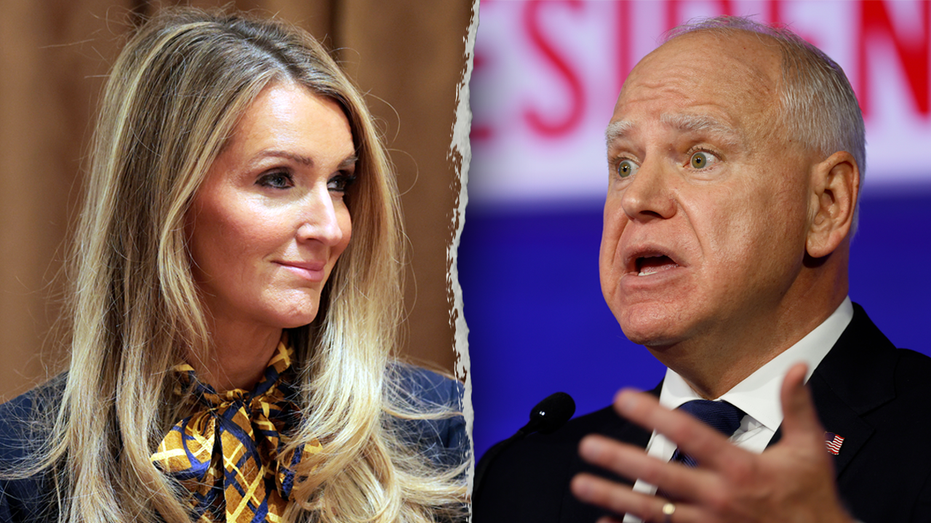
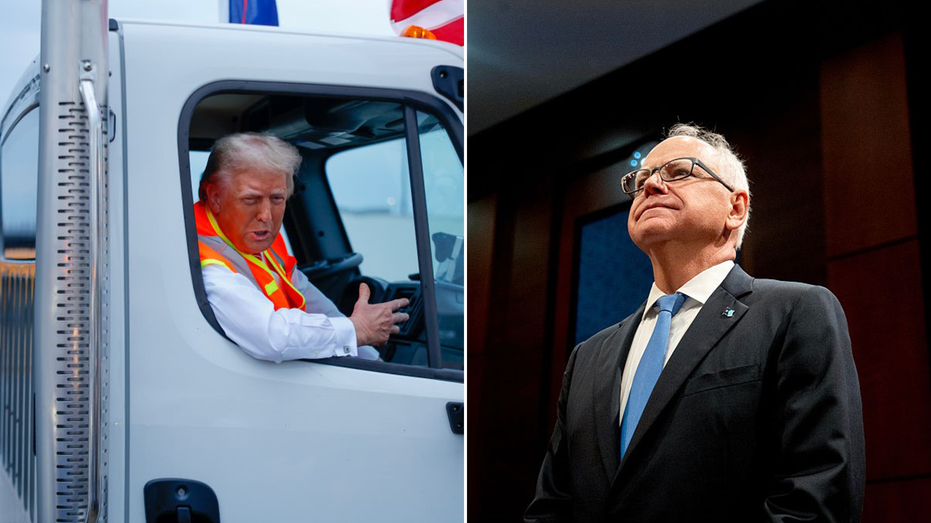
The recent inflammatory comments by former President Donald Trump targeting Minnesota’s Somali community mark a significant escalation in the rhetoric used at the highest levels of American political discourse. Nearly dehumanizing an entire ethnic group, Trump called Somalis "garbage," sparking bipartisan condemnation and raising deeper questions about how immigrant communities are framed in national debates over identity, security, and belonging. This clash between Minnesota’s governor and the former president offers a window into broader fault lines in American politics concerning race, immigration policy, and the use of fear-based narratives.
The Bigger Picture: Historical and Demographic Context
Minnesota hosts the largest Somali diaspora in the United States, with approximately 84,000 individuals primarily settled in the Twin Cities metropolitan region. Many of these Somali Americans are second-generation citizens who contribute economically, socially, and culturally to the state. Historically, Minnesota’s Somali immigrants arrived largely as refugees escaping decades of civil war and instability in Somalia throughout the 1990s and early 2000s, a migration supported by humanitarian programs and local community organizations.
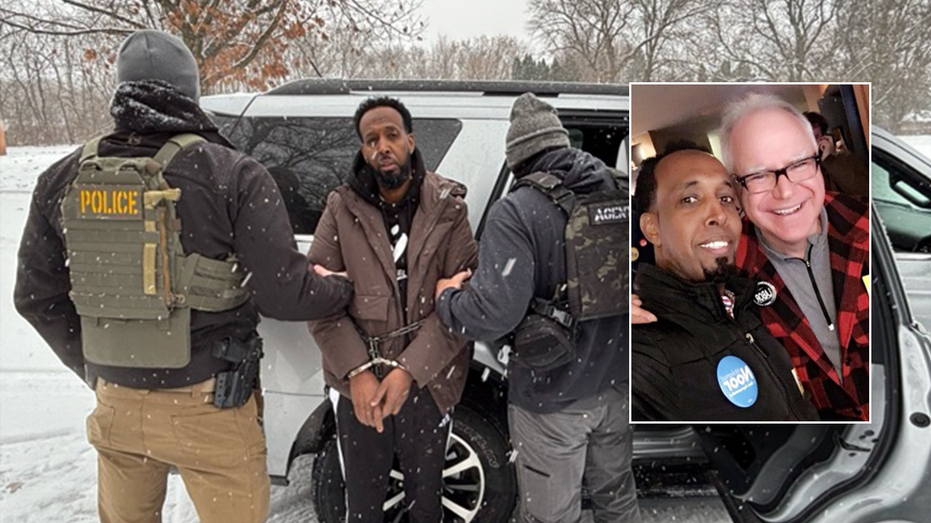
This demographic shift positioned Minnesota as a prominent Somali hub, but also made it a flashpoint during broader post-9/11 anxieties about Islamic communities and national security threats. The allegations that some Somali individuals were involved in fraudulent schemes funding the militant group al-Shabab—an affiliate of al-Qaida—have unfortunately fueled existing stigmas and hardened perceptions in some political circles.
What This Really Means: From Rhetoric to Policy Implications
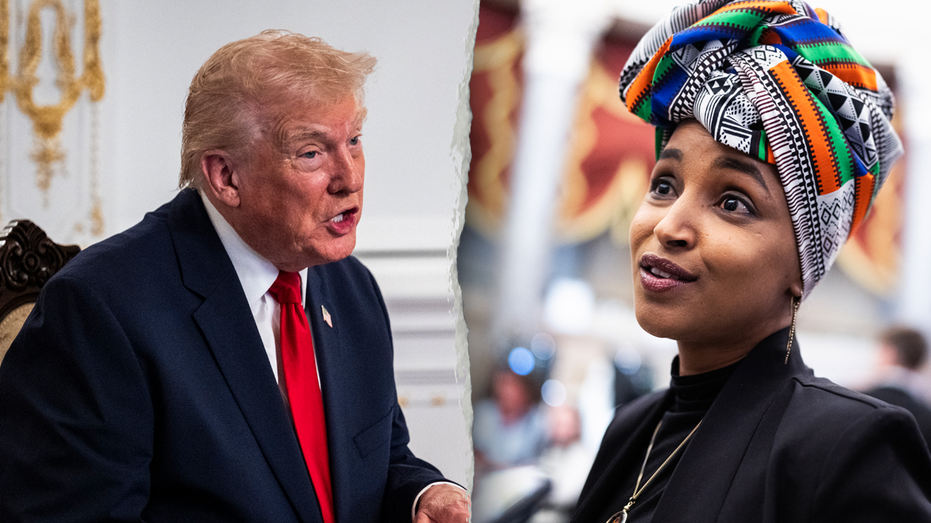
Trump’s use of demeaning language against an entire ethnic group—labeling Somalis and even Representative Ilhan Omar as "garbage," calling Somalia a place that "stinks," and stating Minnesota is a "hellhole" because of the Somali community—transcends mere political jabs. It serves to legitimize xenophobic narratives and opens pathways for policy moves such as the termination of Temporary Protected Status (TPS), which protects many Somalis from deportation.
This rhetoric exacerbates social divisions and undermines the very fabric of inclusive democracy. It risks inflaming anti-immigrant sentiment and could incite harassment or discrimination against Somali Minnesotans, many of whom have deep roots and substantial contributions to the state's vitality—in business, culture, and civil society.
The administration's immigration crackdowns framed around these comments signal a shift toward punitive enforcement that may disrupt communities and erode trust between law enforcement and immigrants, raising questions about public safety and cohesion.
Expert Perspectives
Dr. Laila Ahmed, Director of the Immigration Studies Center at the University of Minnesota, emphasizes that "Singling out entire communities based on the actions of a few undermines social trust and distracts from constructive policy solutions. Fraud and crime are not confined to any one group, and political leaders must resist the urge to demonize vulnerable populations."
Jason Riley, a conservative commentator and author known for his work on race and immigration, argues that "While fraud and abuse of government programs require robust enforcement, it is essential to separate legitimate concerns from racially charged rhetoric that only politicizes complex issues and alienates immigrant communities."
Data & Evidence
- Somali population in Minnesota: ~84,000, largest in U.S.
- Nearly 60% are U.S.-born, with 87% of foreign-born naturalized citizens.
- The extent of fraud involving Somali community members represents a fraction of the overall immigrant population, but has received outsized attention in media and political discourse.
- FBI and Treasury investigations into alleged fraudulent schemes connected to al-Shabab remain ongoing, underscoring the complexity of disentangling community-wide impacts.
Looking Ahead: Broader Implications and What to Watch
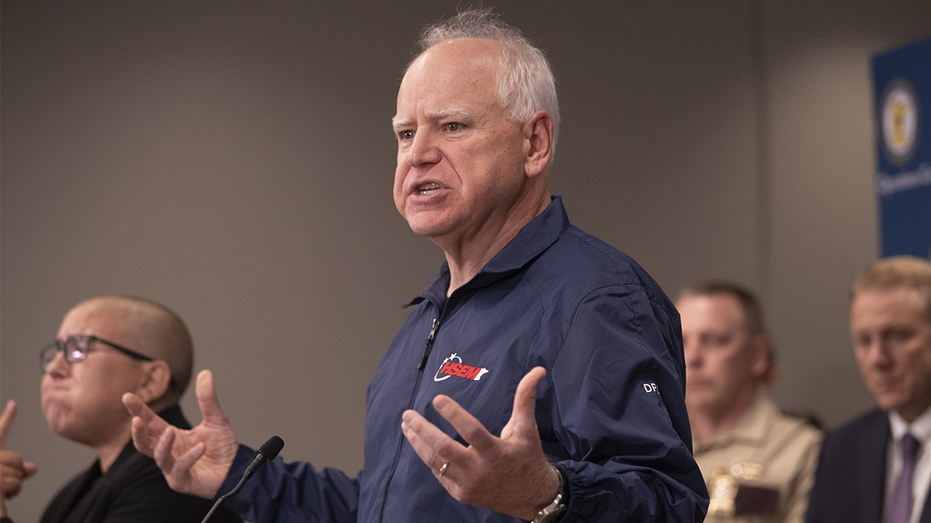
The vocal clash between Trump and Governor Walz highlights the risks of ethnic scapegoating becoming normalized in American political rhetoric, especially during election seasons and policy debates around immigration enforcement. Observers should watch how these dynamics influence upcoming gubernatorial and congressional races in Minnesota, where Somali Americans constitute a politically engaged community.
The use of inflammatory language by political leaders may prompt further legislative or executive actions tightening protections for immigrant groups under the guise of security and fraud prevention. Civil rights organizations are expected to mobilize against such measures, increasing demands for accountability on hate speech and discrimination.
On the federal level, the trajectory of Temporary Protected Status for Somalis and other immigrant groups may face reassessment, with broader repercussions for U.S. immigration policy and refugee resettlement programs nationally.
The Bottom Line
The controversy is not simply about one politician’s remarks; it reflects deeper anxieties and fractures in America’s approach to diversity, immigration, and national identity. As debates escalate, it will be critical to differentiate between legitimate policy concerns—such as addressing fraud and security—and harmful stereotypes that imperil vulnerable communities. Minnesota, as a populous and diverse state with significant Somali presence, stands as a frontline battleground for these defining issues.
Topics
Editor's Comments
This episode exemplifies how rhetoric from national leaders can profoundly affect local communities, highlighting a dangerous trend toward fracturing social cohesion through identity-based attacks. While legitimate issues like fraud must be addressed, framing them within blanket ethnic condemnations risks the erosion of democratic norms and fuels xenophobia. It is crucial for policymakers, media, and civil society to elevate nuanced discussions over incendiary soundbites, ensuring protection of minority communities while tackling real challenges.
Like this article? Share it with your friends!
If you find this article interesting, feel free to share it with your friends!
Thank you for your support! Sharing is the greatest encouragement for us.