Beyond Sherrone Moore: What Michigan’s Coaching Scandal Exposes About Power and Culture in College Sports

Sarah Johnson
December 16, 2025
Brief
Michigan’s firing of football coach Sherrone Moore isn’t just a personal scandal. It exposes deeper issues of power, culture, and liability in college sports that Dusty May’s careful comments only hint at.
Sherrone Moore’s Fall and Michigan’s Reckoning: What a Coach’s Careful Comments Reveal About Power, Culture, and College Sports
At first glance, Dusty May’s reaction to the Sherrone Moore controversy sounds like a standard, cautious comment from a coach who wants to stay out of a legal mess: “Some poor decisions made across the board.” But in the context of modern college athletics, that short sentence — paired with his appeal to “remember everyone is a human being” — points to a much larger story about power, culture, and accountability in big-time college sports.
This isn’t just about one coach’s alleged misconduct. It’s about how universities manage star employees, how athletic departments handle internal relationships and harassment risks, and how public pressure is reshaping the expectations placed on coaches as both leaders and public figures. The Moore case lands at the intersection of Title IX culture, NIL-fueled power dynamics, and the growing mental health crisis in high-pressure sports environments.
The bigger picture: A pattern of crisis at the top of college programs
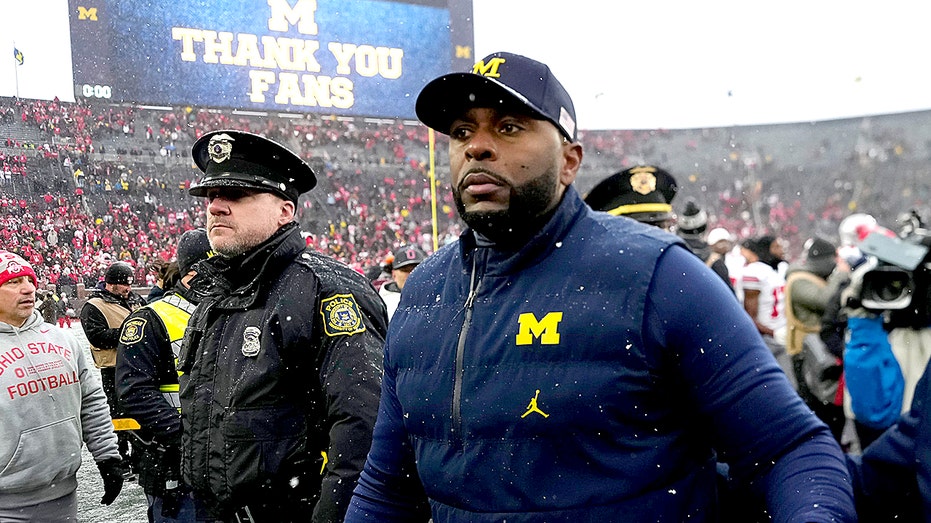
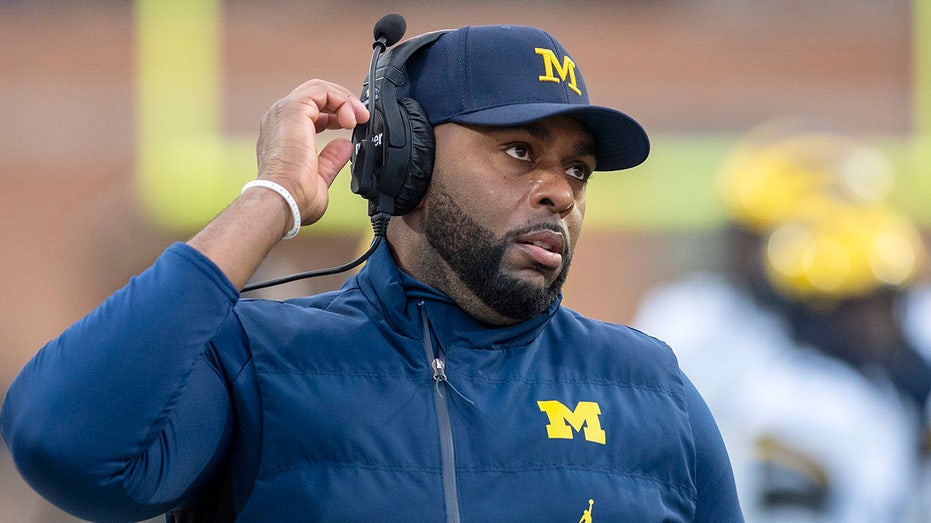
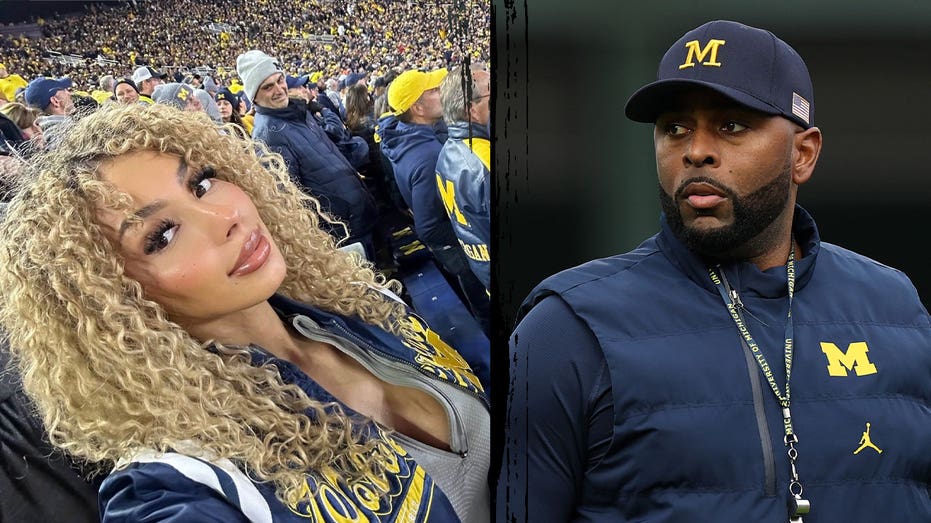
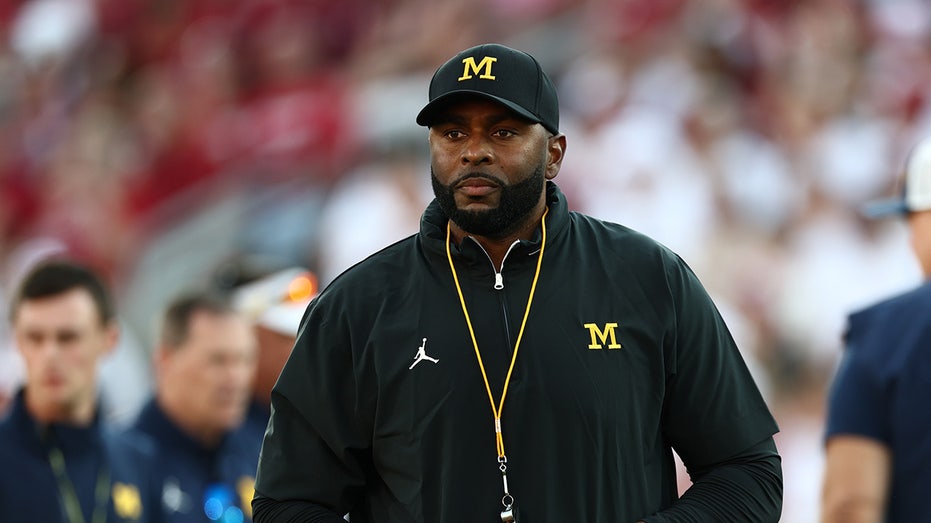
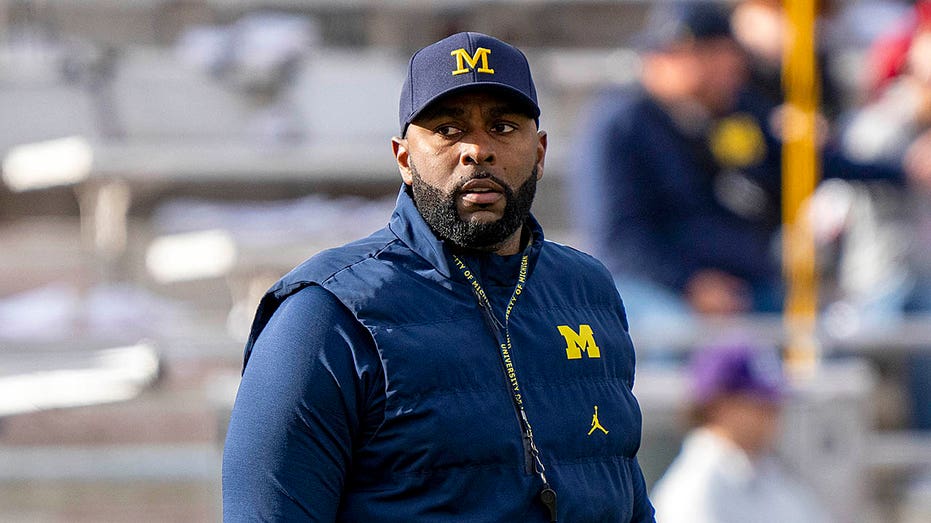
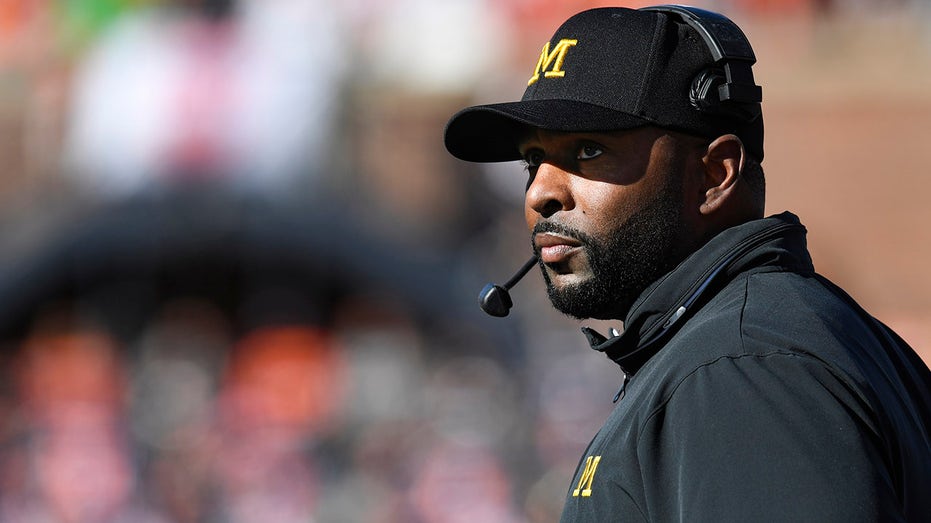
Sherrone Moore was supposed to represent Michigan football’s continuity and stability following Jim Harbaugh’s departure. Instead, his rapid fall — from head coach to firing over an “inappropriate relationship” with a staffer and subsequent criminal charges of stalking and home invasion — mirrors a broader pattern across college sports:
- Powerful coaches and staff crossing personal and professional lines: From workplace relationships to harassment claims, the line between personal conduct and institutional liability has become increasingly central.
- Universities reacting under scrutiny: Title IX, social media, and donor pressure mean schools now move faster — at least publicly — when allegations emerge.
- Programs trying to protect the brand: Athletic departments are now multi-million (or billion) dollar enterprises where reputational damage has real financial costs in recruiting, donations, media rights, and admissions.
Historically, big-name coaches often survived scandals that would end most careers in other industries. In the 1990s and 2000s, universities frequently prioritized winning and revenue over culture and accountability — burying or minimizing off-field issues. That tolerance has narrowed, but it hasn’t disappeared. Instead, there’s a new balancing act: protect the institution, appear proactive, and avoid legal exposure, all while dealing with the messy reality of human behavior inside intense, high-pressure environments.
May’s statement — emphasizing poor decisions “across the board” and the humanity of everyone involved — is exactly the kind of carefully calibrated language you hear when a school is trying to publicly manage a crisis without pouring gasoline on active legal proceedings.
What May’s comments signal about internal culture and liability
Dusty May didn’t just comment on Moore; he framed the incident as part of a broader failure — not just one man’s poor choice:
“The football stuff, there were, obviously, some poor decisions made across the board… Everyone involved is a human being, and every decision impacts other human beings.”
That phrase “across the board” is doing a lot of work. It implicitly raises uncomfortable questions:
- Did leadership fail to set or enforce clear boundaries around staff relationships?
- Were there warning signs about Moore’s behavior that weren’t acted on early enough?
- Was there a culture of protection around top coaches that may have delayed intervention?
In recent years, schools have been repeatedly criticized not just for what individuals did, but for the systems that enabled misconduct: think of Michigan State and Larry Nassar, Baylor football under Art Briles, or the handling of domestic violence cases at multiple programs. The legal risk now often hinges less on a single act and more on whether administrators can show they took reasonable steps to prevent and address misconduct.
When a high-profile university fires a head coach for an “inappropriate relationship” with a staffer before criminal charges surface, that suggests an institution acutely aware of its Title IX obligations and legal risk. It also suggests Michigan wants to clearly demarcate a line: what may have been tolerated, excused, or quietly handled in-house a decade ago is now a firing offense.
Power, relationships, and the modern campus workplace
The allegation that Moore had an inappropriate relationship with a staffer is not just a private moral failing; it’s a workplace issue with serious legal implications:
- Power differential: A head coach at a major football program holds enormous authority over staff careers. Even if a relationship is described as “consensual,” the power imbalance can undermine that claim in practice and in court.
- Hostile environment risks: Other staff may feel pressured, sidelined, or retaliated against, creating grounds for Title VII or Title IX claims.
- Policy enforcement: Most universities now have explicit policies on supervisor-subordinate relationships. The question becomes not just “what did Moore do?” but “who knew, and when?”
May’s acknowledgment that “every decision impacts other human beings” is a subtle but important reframing: this isn’t just about personal morality; it’s about the ripple effects on families, children, colleagues, and the wider campus community. That’s precisely how courts and regulators are increasingly viewing these cases.
The criminal charges and the mental health angle
The picture becomes even more serious with the criminal charges: a felony count of home invasion and misdemeanors for stalking and breaking and entering. The judge’s conditions — GPS monitoring, mandatory mental health treatment, no contact with the victim, remaining in Michigan, and a $25,000 bond — are standard in serious domestic or relational misconduct cases, but telling in this context.
Two things matter here:
- The legal process is just starting: A not-guilty plea was entered on Moore’s behalf. These are allegations, not convictions. Yet the public and institutional fallout is already decisive — his job is gone, his reputation severely damaged, and Michigan’s football identity thrown into turmoil.
- Mental health is now front and center: Judges increasingly include mental health treatment in bond conditions in cases involving stalking or domestic conflict. That aligns with a broader shift in sports: acknowledging that intense pressures, identity tied to a job, and the sudden loss of status can interact in dangerous ways.
May’s broader comment — that he doesn’t “have the solutions for the world’s problems” but wishes people could be “better human beings and better world civilians” — is easy to dismiss as platitude. But coupled with mandated mental health treatment in Moore’s case, it reflects something deeper: college sports is struggling to manage volatility in a profession where careers can implode overnight, and where the line between personal breakdown and public scandal is thin.
Coaches as moral voices in an age of constant crisis
May also referenced recent shootings at Brown University and a Hanukkah event in Australia, placing Moore’s situation within a broader sense of societal instability and violence. That might seem like a stretch, but it tracks with a new reality: coaches are now de facto public moral commentators.
- They are asked to respond to national tragedies, political conflicts, and campus crises.
- They are expected to model “character” and “leadership” for players and communities.
- Yet they are also constrained by legal advice, institutional messaging, and the risk of alienating donors or recruits.
This creates a strange tension: we demand moral clarity and emotional leadership from coaches, then criticize them for being too vague, too political, or too cautious. May’s remarks land in that narrow space: compassionate but legally safe, reflective but non-specific, emphasizing shared humanity while avoiding direct criticism of the institution or Moore.
What mainstream coverage tends to miss
Much of the immediate coverage focuses on the sensational aspects: the firing, the relationship, the charges, the bond conditions. What tends to be underexplored are the systemic and long-term implications:
- Recruiting and competitive fallout: Top recruits and their families are watching how Michigan handles this. One high-profile Heisman hopeful has already publicly reflected on choosing not to play for Michigan after the Moore saga. For elite athletes, stability and trust in leadership matter almost as much as facilities and NIL packages.
- Internal staff dynamics: Assistants, analysts, and support staff now operate in a heightened environment of scrutiny and uncertainty. That can be healthy — pushing people toward professional boundaries — but also destabilizing if they feel collateral damage from the fallout.
- Legal and HR recalibration: Expect Michigan, and other schools watching, to revisit policies on staff relationships, reporting channels, and crisis protocols. That may lead to stricter disclosures, mandatory training, and clearer consequences.
The big question is whether these reforms are genuine cultural shifts or reactive damage control. May’s comment that there were poor decisions “across the board” hints at institutional responsibility, but we don’t yet know whether that will translate into visible structural change.
Expert perspectives: culture, compliance, and crisis management
Sports law and ethics experts point out that this is where athletic departments are most vulnerable.
Dr. B. David Ridpath, a sports management scholar who has written extensively on NCAA governance, has long argued that major programs underestimate “off-field” risks: “Universities build elaborate compliance systems around amateurism and eligibility while underinvesting in workplace culture, power dynamics, and preventative education. The next wave of liability isn’t about improper benefits — it’s about how institutions manage relationships, harassment, and abuse of power.”
Nancy Hogshead-Makar, a civil rights attorney and Title IX advocate, has similarly emphasized that relationships involving power imbalances are inherently risky: “You cannot separate consent from power. When one person controls the other’s job, playing time, or advancement, it fundamentally changes the nature of that relationship for legal and ethical purposes.”
From a crisis communications standpoint, May’s remarks are textbook: acknowledge harm, recognize humanity, avoid specifics, and redirect toward broader values. But from a cultural standpoint, the question is whether those broader values become operational — embedded in policy, training, hiring, and evaluation — or remain surface-level talking points.
Looking ahead: What to watch at Michigan and beyond
The Moore case is still in its early legal stages, but the contours of the wider story are already visible. Key things to watch:
- Internal reviews and transparency: Will Michigan publicly acknowledge whether any internal red flags were missed? Or will the university treat this as a contained, individual failure?
- Policy changes: Look for updated rules on staff relationships, reporting mechanisms for workplace misconduct, and strengthened oversight of high-profile employees.
- Coaching contracts: Morals clauses and conduct expectations may become even more explicit, with faster-trigger mechanisms for suspension and termination.
- Recruiting and retention: Michigan’s ability to stabilize the football program — and reassure families — will be a key test. Public comments from current players and recruits over the next 6–12 months will reveal how deep the trust damage runs.
Beyond Michigan, other athletic departments are quietly taking notes. Whenever a major program faces a scandal like this, it becomes a case study: what worked, what didn’t, and how to avoid being next.
The bottom line
On the surface, Dusty May’s comments are cautious and limited. But they sit atop a much deeper shift in college sports: universities are being forced to confront how power, relationships, and mental health intersect in high-pressure athletic environments.
The Sherrone Moore saga is not just about one coach’s alleged actions. It’s about the systems that surround him: hiring practices, internal oversight, cultural norms, and crisis responses. Whether Michigan treats this as an isolated incident or a catalyst for structural change will determine whether this becomes just another scandal — or a turning point in how major programs handle the messy human realities behind the wins and losses.
Topics
Editor's Comments
One under-discussed dimension of the Sherrone Moore case is how it intersects with the financialization of college sports. Michigan football isn’t just a team; it’s a revenue engine connected to media rights, NIL ecosystems, donor networks, and the broader university brand. When a head coach implodes in public, the damage is measured not just in headlines but in recruiting value, fundraising leverage, and even future conference realignment calculations. That context helps explain why the university moved quickly and why language around “inappropriate relationships” is so carefully chosen — it signals moral seriousness while minimizing admissions that could be used against the school in civil litigation. A contrarian question worth asking: are we building systems that truly protect vulnerable staff and foster healthy cultures, or are we optimizing legal and PR responses around an inherently fragile, high-pressure model? Until schools tackle the structural incentives that elevate winning and revenue above everything else, cases like Moore’s will be treated as isolated failures rather than symptoms of a deeper design problem.
Like this article? Share it with your friends!
If you find this article interesting, feel free to share it with your friends!
Thank you for your support! Sharing is the greatest encouragement for us.