Beyond the Flight Logs: What Kash Patel’s FBI Jet Use Reveals About Transparency and Trust in Federal Leadership

Sarah Johnson
December 3, 2025
Brief
Analysis of FBI Director Kash Patel's defended use of government aircraft amid Democratic probe reveals deeper issues of ethics, transparency, and public trust in federal agency leadership.
Opening Analysis
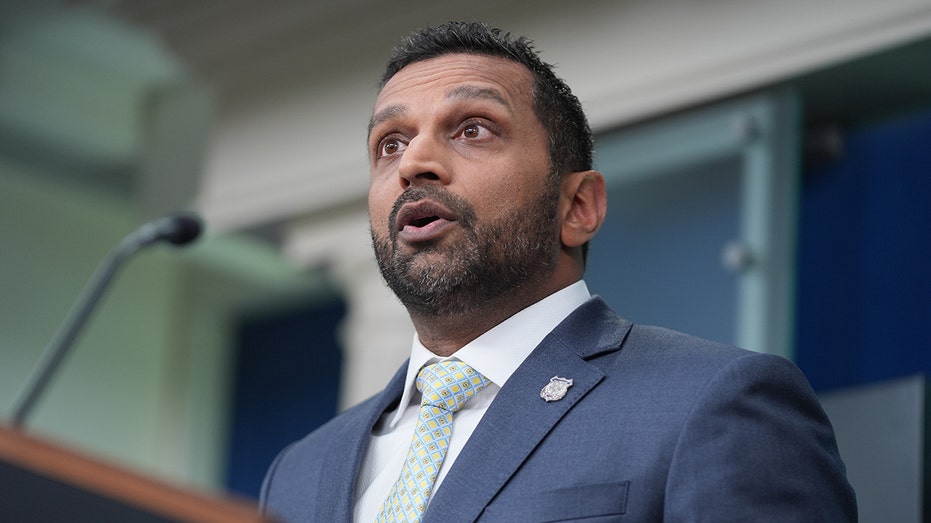
The controversy surrounding FBI Director Kash Patel’s use of government aircraft for personal travel strikes at the intersection of public trust, accountability, and the optics of elite privilege within federal agencies. While Patel asserts efficient stewardship of taxpayer resources compared to predecessors, House Judiciary Democrats have launched a sharp inquiry into the appropriateness of his travel choices, highlighting long-standing tensions over ethics and transparency in government use of resources. This story offers a revealing case study into how perceptions of institutional integrity are shaped by both policy and personal conduct, with implications far beyond mere flight logs.
The Bigger Picture
The investigatory spotlight on Patel’s travel is part of a broader historical pattern within U.S. federal institutions where senior officials’ use of government assets frequently attracts scrutiny. From the widely criticized expense scandals at the Department of Defense in the early 2000s to the controversies over Air Force One use by presidents, public officials’ travel has often become symbolic battlegrounds for debates about privilege and fiscal responsibility.
The FBI itself, charged with upholding the law and federal integrity, occupies a particularly sensitive position. Efforts to build public trust center as much on internal management ethics as on external enforcement actions. Historically, FBI directors have had close ties to the executive branch and considerable autonomy, making checks on their behavior challenging. Moreover, since the FBI’s relocation and use of government airfields have practical and symbolic cost concerns, the choice of travel hub—from major commercial airports versus military bases—has been a proxy for how aggressively taxpayer funds are managed.
What This Really Means
At its core, this dispute underscores the complex challenges of accountability in executive federal agencies. Patel’s defense—that he uses the FBI jet less often than prior directors and prioritizes cost savings—invites examination of comparative baseline data, as well as the norms governing personal privileges of public officials.
However, the accusations from House Democrats framing his flights as "private joyrides" to luxury retreats touch on broader questions about the culture within the FBI’s leadership. Beyond cost questions lie concerns about whether the use of government assets reflects entitlement or aligns with public expectations of ethical behavior. The optics of an FBI director vacationing at places like "Boondoggle Ranch" potentially damages public confidence at a time when the bureau faces heightened political criticism and challenges surrounding impartiality.
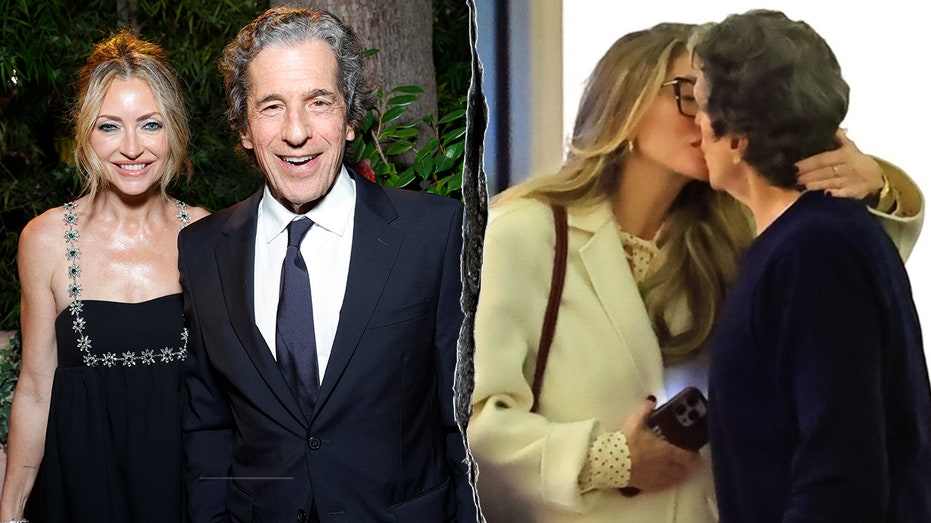
This scrutiny also reflects larger societal demands for transparency, particularly how power and privilege are exercised in Washington’s corridors. The intersection of personal life and professional office—exemplified here by Patel’s admission of trips with his girlfriend—blur the lines between public duty and private benefit, intensifying calls for stricter policies or independent oversight.
Expert Perspectives
Professor Emily Thompson, an expert in public administration at Georgetown University, notes, "The use of government resources for personal reasons by federal officials isn’t new, but the difference is in the level of transparency and accountability. When leaders are open about their use and demonstrate cost savings, it helps offset public scrutiny. Without clear policies and oversight, such practices become ripe for political weaponization."
Meanwhile, ethics specialist Dr. Marcus Lyons adds, "Public officials must operate not only within legal boundaries but also within the court of public opinion. Even perceived misuse can erode institutional legitimacy, which is particularly damaging for agencies like the FBI where public trust is foundational to their mission."
Government watchdog analyst Laura Chen highlights related data: "Recent OIG reports show a persistent pattern of ambiguous guidelines around travel use in federal agencies, pointing to a need for reform in both regulation and culture around travel practices to prevent abuse and ensure alignment with public expectations."
Data & Evidence
- Patel claims he uses the FBI jet less often than his two immediate predecessors, a claim that demands auditing official flight logs for objective verification.
- House Democrats cite specific trips, including an overnight date and a visit to the "Boondoggle Ranch," framing them as personal, non-work related.
- Some predecessors reportedly cost taxpayers roughly $4 million by preferring airports closer to D.C. despite alternatives like Andrews Air Force Base, indicating such decisions can lead to substantial differential expenses.
- Government-wide reports from the Office of Inspector General reveal that federal agencies’ travel policies are often vague, leading to inconsistent enforcement and opportunities for misuse.
Looking Ahead
The ongoing probe is likely to have ramifications beyond Patel personally, potentially catalyzing broader reform in federal travel protocols and clearer delineation between permissible official versus personal use. If lawmakers push stricter disclosure requirements or penalty frameworks, it could lead to structural changes in how agency heads access and justify government assets.
Public engagement with these issues may also increase. As federal agencies, including the FBI, navigate a fractured political environment, how leaders manage optics and performance will shape institutional resilience. A clear articulation of stewardship and transparent practices may become prerequisites for retaining both Congressional support and public confidence.
Moreover, this case may influence future FBI directors or other federal officials to adopt more stringent self-regulation, potentially instituting third-party auditing or public reporting standards. Conversely, it risks deepening partisan divides if travel and ethics issues become tools of political warfare, distracting from substantive law enforcement and governance challenges.
The Bottom Line
Kash Patel’s defense of his FBI jet use reveals much about the underlying tensions between personal privilege, fiscal responsibility, and institutional ethics in federal leadership. This investigation reflects not just questions about a few flights, but about the evolving expectations of transparency, accountability, and public trust in government agencies. How this unfolds will offer valuable lessons on the balance between operational necessity and maintaining legitimacy in America’s institutions.
Topics
Editor's Comments
This case illustrates how debates over seemingly mundane executive behaviors—like travel choices—become proxy battles for broader distrust in government institutions. It raises important questions about the balance between necessary operational privileges afforded to agency heads and the ethical imperatives of public service. What strikes me is the recurring theme of oversight gaps: even highly visible agencies like the FBI struggle to maintain uniform standards that satisfy both operational needs and public expectations. This probe into Patel's conduct could push overdue reforms, but it also risks becoming another partisan flashpoint, detracting focus from substantive challenges in law enforcement oversight and national security.
Like this article? Share it with your friends!
If you find this article interesting, feel free to share it with your friends!
Thank you for your support! Sharing is the greatest encouragement for us.