Beyond the ‘Designed to Fail’ Vote: What the Obamacare Subsidy Fight Really Reveals

Sarah Johnson
December 8, 2025
Brief
The Senate’s doomed vote on Obamacare subsidies isn’t just partisan theater. It exposes deeper fights over abortion policy, HSAs, fiscal strategy, and who should bear health-care risk in post-ACA America.
Obamacare Subsidies, Abortion Politics, and HSAs: What This ‘Designed to Fail’ Vote Is Really About
On the surface, the Senate fight over extending enhanced Obamacare premium subsidies looks like a familiar partisan standoff. Democrats are pushing a clean three-year extension; Republicans are dismissing it as a political stunt and floating Health Savings Account (HSA) alternatives. But beneath the daily sound bites, this clash reveals something much deeper: a structural shift in how both parties think about health care, public spending, and culture-war leverage — and a willingness to use millions of Americans’ insurance premiums as bargaining chips.
To understand what’s happening, we need to look past the immediate vote and ask three questions: Why are these subsidies so politically explosive? How did abortion policy become the central roadblock in an economic affordability issue? And what does the emerging HSA push tell us about where Republican health policy is heading in the post-ACA era?
The Bigger Picture: How We Got to This Cliff
The subsidies at issue are not the original Affordable Care Act (ACA) premium tax credits passed in 2010. They are the enhanced subsidies first expanded during the COVID-19 pandemic under President Joe Biden, initially via the American Rescue Plan and later extended. These changes:
- Eliminated the previous income cap (400% of the federal poverty level), allowing middle- and upper-middle-income households to qualify.
- Reduced the percentage of income that subsidized households are expected to pay for marketplace coverage, driving down net premiums.
Economically, the impact has been significant. The Congressional Budget Office previously estimated that the enhanced subsidies led to several million more people enrolling in marketplace plans and sharply reduced premium costs for many existing enrollees. In some states, older middle-income adults — particularly just under Medicare age — saw thousands of dollars in annual savings.
Politically, though, the design created a built-in cliff: the enhanced subsidies were set to expire on a specific date unless Congress acted. That sunset was not accidental. Temporary benefits serve two functions:
- They lower the official long-term cost estimate when they’re passed.
- They create future leverage points for both parties to negotiate broader policy changes.
Democrats now argue Republicans are “choosing to do nothing” as the deadline approaches. Republicans counter that Democrats themselves wrote the sunset and now want a no-strings extension. Both are technically correct — which underscores that this isn’t an accidental crisis; it’s the product of deliberate legislative design.
What This Really Means: A Proxy Fight Over Three Bigger Wars
The current Senate stalemate is not just about the mechanics of premium subsidies. It’s a proxy battle across three larger fronts:
1. The Future of the ACA: Patchwork Fix or Durable Consensus?
For a decade, Republican health policy was dominated by efforts to repeal or significantly scale back the ACA. Those large-scale repeal efforts failed. The new strategy is more incremental and more technical: reshape how ACA-related money flows, who controls it, and what conditions are attached.
Democrats’ proposal to extend the enhanced subsidies for three more years with no reforms effectively normalizes a pandemic-era expansion as the new baseline. If they secure this extension, it makes future rollbacks politically harder, especially as more middle-income Americans come to rely on lower marketplace premiums.
Republicans see that trajectory. By refusing a “clean” extension without changes, they are trying to regain leverage over the architecture of the ACA — including redirecting money toward HSAs and layering in restrictions like the Hyde-style abortion language.
2. Abortion Politics as a Lever on Economic Policy
The most striking element of this fight is the degree to which abortion language has become the central roadblock in a debate ostensibly about insurance affordability. Republicans insist any subsidy extension must include Hyde Amendment-style protections to ensure no federal dollars directly or indirectly fund abortion.
Post–Dobbs, abortion has moved from a discrete policy area into a multi-front chokepoint that can affect spending bills, health care negotiations, and even infrastructure packages. This is a classic example: abortion policy is being used to condition access to a largely economic benefit — cheaper insurance premiums.
For some Republicans, that’s a principled consistency on life issues. For others, it’s also tactical: it forces Democrats into a politically uncomfortable position in more moderate states and gives Republicans a moral frame for opposing what might otherwise be a straightforward affordability measure.
The result is that millions of families who will never seek an abortion are caught in a stalemate driven by legislators’ desire to codify abortion restrictions into every sizable federal health-related spending stream.
3. HSAs vs. Subsidies: Two Competing Visions of Health Policy
The push by Sen. Bill Cassidy and others to redirect subsidy dollars into Health Savings Accounts (HSAs) is not a minor technical tweak; it reflects a fundamentally different philosophy of health care financing.
In simplified terms:
- Enhanced ACA subsidies lower monthly premiums for specific regulated insurance products. They are targeted, means-tested, and tied to plan purchase in the regulated individual market.
- HSAs are tax-advantaged accounts that individuals can use to pay for health expenses, often paired with high-deductible plans. They emphasize consumer choice, price sensitivity, and individual control over spending.
Republicans framing this as sending “money directly to Americans” through HSAs are implicitly betting on a more market-centric model. The practical challenge? HSAs disproportionately benefit those with higher incomes and more tax liability, and they work best for people who can afford to contribute and absorb risk. Lower-income and medically complex households are less likely to benefit as much from HSA-centered designs.
So this isn’t only a policy dispute; it’s a class and risk-distribution dispute. Who should bear more of the financial risk — individuals or the collective system? The answer each party offers is embedded in their preferred mechanism.
Data & Evidence: Who’s Actually Affected?
While numbers will vary by source and state, several well-documented patterns are relevant:
- Enrollment impact: The enhanced subsidies significantly boosted ACA marketplace enrollment, especially among older enrollees and those just above previous income cutoffs. Losing them would likely reverse some of those gains.
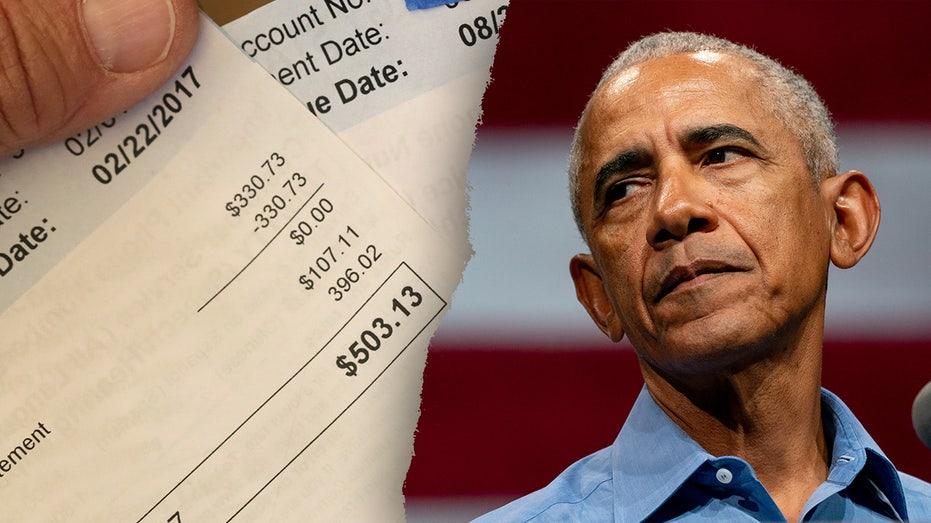
- Premium shock: Nonpartisan analyses have estimated that letting the expanded subsidies lapse would lead to large premium increases for affected households — often hundreds of dollars more per month, particularly for older, middle-income individuals in high-cost areas.
- Risk of coverage loss: Past coverage cliff events suggest a substantial share of affected people will either downgrade to skimpier coverage or drop coverage altogether when faced with large cost increases, increasing uncompensated care burdens in the system.
In that light, the current Senate battle isn’t an abstract budget fight. It’s a decision about whether millions of households experience a sudden, noticeable hit to their monthly bills in January — at a time when inflation, housing, and other costs are already squeezing budgets.
Expert Perspectives: Beyond the Talking Points
Health policy experts across the spectrum see the current standoff as revealing deeper structural issues.
Economist and health policy scholar Jonathan Gruber, one of the architects of the ACA, has long argued that subsidies are central to the law’s stability. From his vantage point, rolling back enhanced subsidies risks destabilizing the individual market and eroding the ACA’s promise of affordability for middle-income Americans.
Conservative health policy analysts, by contrast, often frame the enhanced subsidies as a step toward an open-ended entitlement. They argue that uncapped or broad-based subsidies disconnect consumers from the true cost of coverage and lock in a regulatory model that leaves too little room for innovation, competition, and alternative designs like HSAs or state-based reforms.
Bipartisan budget watchdogs tend to focus on a different concern: the repeated use of short-term extensions that mask the true long-term fiscal commitment. They warn that repeatedly “patching” major health subsidies without fully accounting for their multi-year budgetary impact distorts deficit projections and crowds out funding for other priorities.
Looking Ahead: What to Watch Beyond This Week’s Vote
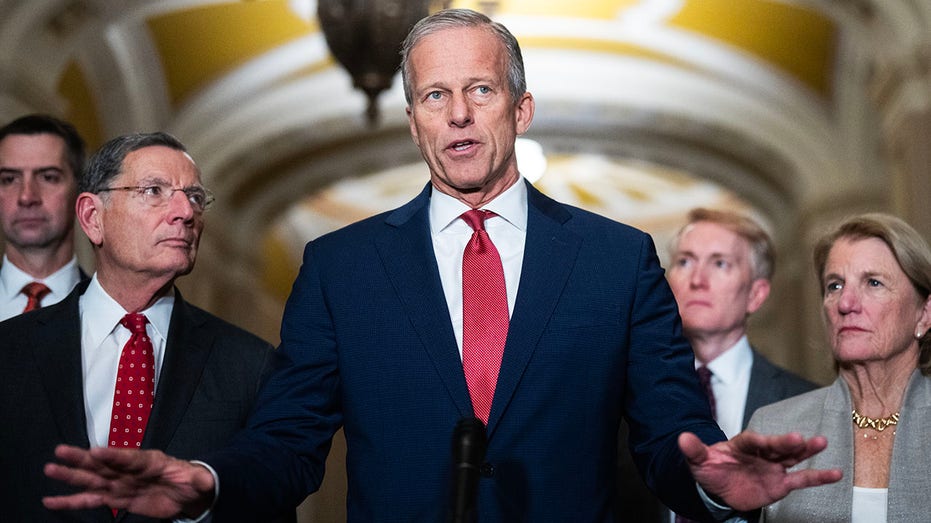
Sen. John Thune’s comment that the Democratic plan is “designed to fail” is, in one sense, a candid acknowledgment of the performative dimension of this week’s vote. But even failed votes shape the policy terrain.
Key dynamics to watch:
- Blame assignment: Both parties are already jockeying to define who “owns” any premium hikes or coverage losses. That blame game will intensify if families start receiving higher renewal notices or lose coverage altogether.
- Red-state vs. blue-state politics: States that rely heavily on ACA marketplaces and did not expand Medicaid will feel the shock differently than states with broader coverage safety nets. That could influence how individual senators in swing states approach any follow-up negotiations in the new year.
- Whether Republicans coalesce around a unified HSA plan: As of now, GOP senators are circulating multiple ideas without landing on a single proposal. If they do unify, future negotiations are likely to revolve around a hybrid approach — some subsidy extension in exchange for HSA expansions and abortion restrictions.
- Executive workarounds: If Congress deadlocks, pressure will grow on the administration to explore regulatory or administrative options to soften the cliff. Those options are limited, but even modest adjustments could become politically salient.
The Bottom Line
This week’s Senate vote is almost certainly not the final word on Obamacare subsidies. It’s a stage in a longer struggle over who defines the future of American health policy, how much risk households are expected to bear, and how far abortion politics will extend into core economic decisions.
For ordinary Americans, the question is brutally simple even if the politics are not: Will their health insurance suddenly become hundreds of dollars more expensive next year, and if so, who decided that — and why?
Topics
Editor's Comments
One underdiscussed element in this fight is how both parties have become comfortable governing through cliffs. From pandemic relief to student loans to these enhanced subsidies, Congress repeatedly opts for temporary fixes with built-in expirations. That strategy is politically convenient: it masks long-term costs, defers hard choices, and creates future bargaining chips. But it also injects chronic uncertainty into the lives of millions who plan their budgets around federal policy. When households don’t know whether their insurance will spike in price next year, they are less likely to make longer-term investments, from starting a business to moving for a new job. The irony is that both sides claim to champion stability—economic, moral, or market-based—yet the legislative habit of cliff-making does the opposite. A serious reform conversation would grapple not just with the level of subsidies or the presence of Hyde language, but with whether this episodic, crisis-driven policymaking model is sustainable for a health system that demands multi-year planning.
Like this article? Share it with your friends!
If you find this article interesting, feel free to share it with your friends!
Thank you for your support! Sharing is the greatest encouragement for us.