FAA's Flight Cut Investigation: What the 2018 Shutdown Reveals About Aviation Vulnerabilities

Sarah Johnson
December 6, 2025
Brief
An in-depth analysis of the FAA's investigation into airline compliance with flight cuts during the 2018-2019 government shutdown reveals systemic vulnerabilities in aviation safety and industry resilience.
Why the FAA's Investigation into Flight Cut Compliance During the 2018-2019 Government Shutdown Matters
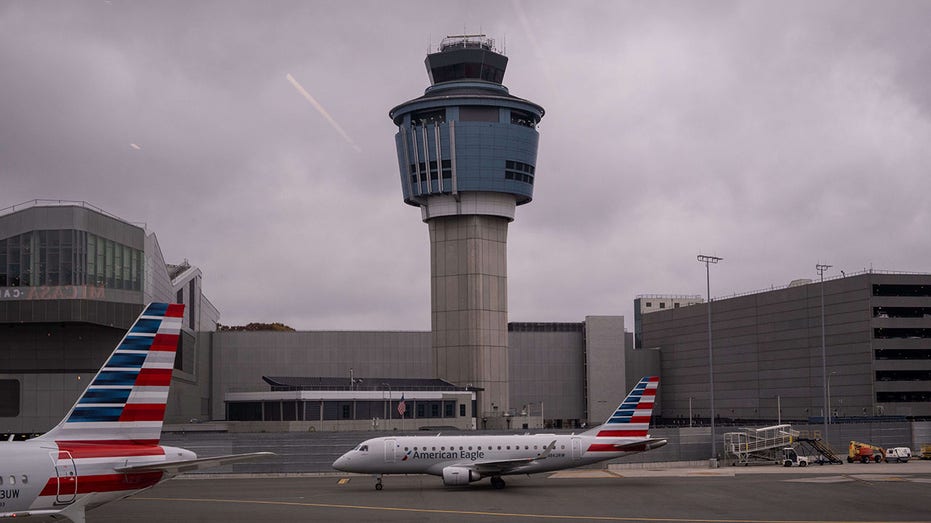
The Federal Aviation Administration's probe into airline adherence to flight reduction orders during the unprecedented 35-day government shutdown in late 2018 and early 2019 is more than a regulatory matter—it serves as a revealing window into the fragility of the U.S. aviation system under political and operational stress. The investigation underscores systemic vulnerabilities, the consequences of political impasse on critical infrastructure, and highlights longer-term challenges facing air travel safety and efficiency.
The Bigger Picture: Context Behind the FAA's Flight Cut Orders
The flight reduction mandates, impacting 40 major U.S. airports, were born out of emergency necessity during the shutdown that began in late December 2018 and became the longest in U.S. history. Air traffic controllers and other FAA personnel were furloughed or worked without pay, resulting in high absenteeism due to financial strain and morale collapse. To mitigate safety risks posed by understaffed control towers, the Trump administration issued an emergency order in early January 2019 requiring airlines to reduce the number of scheduled flights between 3% and 6%. These cuts aimed to prevent overcrowding in airspace and ensure manageable workloads for controllers.
This temporary disruption despite its emergency nature points to the significant human resource dependencies within the FAA. Historically, similar disruptions have revealed how tenuous the balance is between capacity planning and frontline labor availability in aviation. The shutdown thus exposed a critical intersection of federal labor policy, political brinkmanship, and the operational backbone of national transportation.
The Real Significance: Beyond Just Compliance and Fines
At first glance, the FAA's investigation into whether airlines complied with the mandated flight reductions and potential fines of up to $75,000 per flight may appear as a routine enforcement action. However, it reveals deeper implications:
- Operational Accountability vs. Market Pressures: Airlines faced conflicting incentives—comply with cuts and suffer major revenue losses or potentially skirt rules to maintain schedules and customer loyalty. Delta’s reported $200 million revenue hit during the flight-cut period and over 10,000 canceled flights emphasize the financial stakes.
- Safety vs. Service Equity: Safety concerns due to controller shortages justified cuts, but disparities in which flights were cut and how airlines adjusted schedules may have affected passenger access unevenly. The relatively small actual cut (only 2% of flights cut versus mandated 6% on key days) suggests complex negotiation between regulators and airlines on practical enforcement.
- Systemic Resilience under Political Stress: The shutdown starkly illustrated how political impasses cascade into technical and safety domains. The ripple effects extended beyond furloughs to safety risk management, airline economics, and passenger experience, questioning the resilience of aviation governance frameworks.
Expert Perspectives Illuminate the Stakes
Dr. Helen Chen, a transportation policy analyst at the Brookings Institution, notes, "This episode demonstrated how critical the FAA workforce is to aviation safety and how vulnerable the system becomes when that workforce is financially and operationally undermined. It also exposed tensions between regulatory mandates and airline business models that rely heavily on maximizing flight schedules."
Captain Mark Alvarado, a veteran air traffic controller, adds, "When controllers aren't adequately staffed or compensated, the temptation and pressure to bend operational norms intensify. The shutdown put frontline workers in impossible situations, risking safety and creating ethical dilemmas that's difficult to measure."
The interplay between policy, labor, and market forces during this period offers a cautionary case study in crisis management for aviation.
Data & Evidence Highlighting the Shutdown's Impact
According to Cirium, flight analytics firm data showed that despite the FAA order requiring a 6% cut in flights on certain days like November 14, only around 2% of flights were cut—indicating gaps in enforcement or airline concession. Delta Airlines' own financial disclosures reported losses nearing $200 million over the reduction period between November 7 and 16. More than 10,000 flights were canceled across the country during this short window, straining airport operations and frustrating passengers.
The shutdown reduced government air traffic controllers' payroll, but demand for commercial air travel remained steady, illustrating the difficult balancing act between safety, economics, and public expectation.
Looking Ahead: Lessons and Policy Implications
This investigation should prompt aviation policymakers and Congress to consider robust contingency mechanisms that do not rely on furloughed workers during shutdowns. Proposals for essential worker protections, guaranteed pay during political stalemates, and flexible workforce management could mitigate future risks.
Moreover, it highlights the need for transparent, enforceable protocols between regulators and airlines during crises that reconcile safety priorities with economic viability. As passenger volumes rebound post-pandemic, ensuring operational resilience against political disruptions is critical for maintaining confidence in U.S. air travel.
The Bottom Line
The FAA's probe into flight reduction compliance during the longest government shutdown represents a microcosm of broader systemic challenges at the nexus of politics, labor, safety, and economics. It reveals that safeguarding aviation requires not only technical regulation but also political stability and workforce security. Without addressing these intertwined factors, future crises may again jeopardize air travel safety and economic sustainability.
Topics
Editor's Comments
This FAA investigation shines a spotlight on a rarely examined casualty of political deadlock: the operational integrity of vital public infrastructure like the national airspace system. The shutdown wasn’t just a matter of angry debates and furloughed government workers; it directly threatened the safety and reliability of millions of passengers' travel. Moreover, the airlines found themselves caught between regulatory demands meant to protect safety and commercial pressures not to lose market share. This clash raises critical questions about how we structure and fund essential government services and whether contingency planning is adequate in an era of increasing political polarization. The incident serves as a potent reminder that behind every flight cancellation there are complex policy dynamics at play, deserving sustained attention from policymakers, industry leaders, and the public alike.
Like this article? Share it with your friends!
If you find this article interesting, feel free to share it with your friends!
Thank you for your support! Sharing is the greatest encouragement for us.