West Virginia’s Religious Exemption Ruling: A Legal and Public Health Crossroads

Sarah Johnson
December 3, 2025
Brief
Analysis of West Virginia’s new religious exemption ruling reveals key tensions between public health, religious freedom laws, and state authority, with potential ripple effects across U.S. vaccine policies.
Opening Analysis
The recent ruling by a West Virginia judge allowing parents to opt out of school vaccine requirements on religious grounds marks a pivotal moment in the intersection of public health policy, religious liberty, and state governance. This decision challenges long-standing vaccine mandates aimed at safeguarding community health and highlights the ongoing national debate about the limits of individual religious exemptions. Understanding why this ruling occurred, its legal foundations, and its potential ripple effects requires examining the broader social, political, and historical contexts shaping vaccine mandates, religious freedoms, and governmental authority.
The Bigger Picture
Historically, vaccine mandates in public schools have been justified by the state's compelling interest in preventing communicable disease outbreaks, a principle upheld by the landmark Jacobson v. Massachusetts (1905) Supreme Court decision. West Virginia, like most states, has enforced compulsory vaccinations to protect herd immunity against diseases such as measles, mumps, and whooping cough. However, exemptions historically balanced public health with individual rights via medical allowances and, in many states, religious or philosophical exemptions.
West Virginia was unique for years as one of the few states allowing only medical exemptions, effectively removing the religious exemption option. This restrictive approach sparked legal challenges and political pressure reflecting broader national debates intensified by the COVID-19 pandemic, where vaccine hesitancy collided with public health mandates.
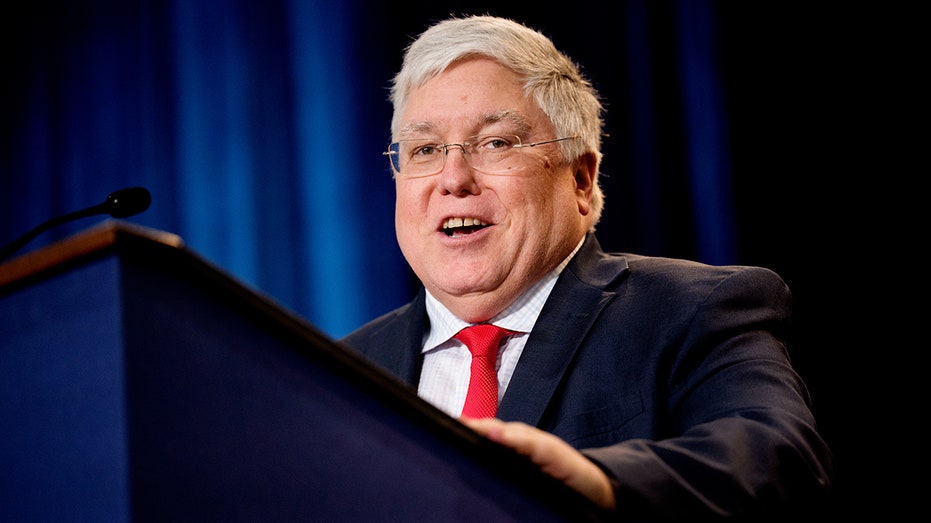
Governor Patrick Morrisey’s 2025 executive order to permit religious exemptions reflects growing political responsiveness to constituents concerned about government overreach in personal health decisions, especially framed as religious conscience rights. However, the subsequent resistance from the State Board of Education underscores institutional friction and uncertainty over the balance of power, with legislative bodies rejecting exemption legislation amid political polarization.
What This Really Means
The ruling underscores several significant implications. First, it represents a judicial affirmation of religious liberty protections codified in West Virginia’s 2023 Equal Protection for Religion Act, extending beyond the limited executive order to grant permanency and statewide effect. By enjoining enforcement of compulsory vaccination without accommodation for religious belief, the court potentially reshapes public health policy in the state.
Furthermore, the ruling reflects a growing trend where courts are increasingly scrutinizing vaccine mandates through the prism of religious freedom statutes modeled after the federal Religious Freedom Restoration Act (RFRA) of 1993. The judge’s interpretation that legislative intent is not determinative challenges conventional deference to legislative bodies in public health matters and raises important questions about judicial activism versus legislative authority.
On the public health front, the judge’s assessment that a limited number of exemptions will not substantially reduce vaccination rates or increase health risks attempts to mitigate concerns about herd immunity erosion. However, experts warn that even small decreases in vaccination rates can facilitate outbreaks, especially in vulnerable communities.
This development also has wider cultural resonance amid intensifying distrust of government institutions, skepticism about vaccines, and mobilized religious communities asserting their rights in multiple policy arenas—from education to healthcare mandates.
Expert Perspectives
- Dr. Paul Offit, a leading vaccine expert and director of the Vaccine Education Center at Children's Hospital of Philadelphia, cautions: "While religious freedom is a core American value, public health depends on high vaccination coverage; exemptions should be carefully balanced against the risks of preventable outbreaks."
- Prof. Ilya Somin, a constitutional law scholar at George Mason University, observes: "This ruling highlights the ongoing tension between legislative policymaking and judicial interpretation, especially in the context of religious rights intersecting with health regulations."
- Rev. Angela Carmichael, an advocate for faith-based parental rights, remarks: "This decision empowers families to make health decisions aligned with their deepest convictions without fear of exclusion from school or sporting activities."
Data & Evidence
According to CDC data, states with broader religious exemptions often experience lower vaccination rates and occasional outbreak spikes, notably in measles. West Virginia’s vaccination rates have historically been above national averages, partly due to its strict exemption policies. The ruling applies to roughly 570 families initially, a small fraction of the state’s student population, which typically numbers over a quarter million. Yet, trends in exemption growth following legal changes deserve careful monitoring.
Nationally, 30+ states have religious freedom laws reflecting RFRA principles, but enforcement and scope vary widely, contributing to a patchwork of protections and controversies. Recent research links increased exemption rates with localized disease outbreaks, underlining the fragile balance policymakers must navigate.
Looking Ahead
The ruling sets a precedent likely to influence ongoing legal and legislative battles across West Virginia and potentially inspire similar challenges in other states with restrictive exemption policies. The state's Board of Education’s suspension of compulsory vaccination policy pending appeal suggests protracted legal conflicts are imminent.
Monitoring whether the state Supreme Court upholds this injunction will be critical, as will legislative responses, including possible renewed efforts to codify exemption rules or reinforce mandates. Public health authorities will need to strategize targeted vaccine education and outbreak preparedness to buffer any erosion of herd immunity.
More broadly, this ruling feeds into escalating national debates about religious liberty versus community health that intersect with political partisanship, misinformation, and health equity concerns. Future policymaking will require nuanced approaches integrating public trust-building with respect for constitutional rights.
The Bottom Line
West Virginia’s judge ruling permitting religious exemptions from school vaccine mandates reflects a complex balancing act between protecting individual religious freedoms and ensuring collective public health. Rooted in both recent state legislation and constitutional principles, this decision highlights evolving legal interpretations of religious rights amid ongoing cultural and political tensions over vaccination. Its immediate impact may be limited numerically but carries far-reaching consequences for public health policy, legal precedent, and the delicate social contract underpinning mandatory vaccination programs.
Topics
Editor's Comments
This ruling crystallizes a broader societal fault line between collective public health needs and individual religious rights—a tension intensified in the post-pandemic era where governments grapple with mandates and personal liberties. It spotlights the judiciary’s increasingly prominent role as an arbiter in these conflicts, stepping into spaces traditionally managed by legislatures or health departments. While the judge’s effort to quantify the impact on vaccination rates attempts to balance freedoms and safety, the long-term consequences remain uncertain. This case raises critical questions about how states can uphold constitutional rights while safeguarding community health, especially as misinformation and political polarization persist. Observers should watch closely whether other states follow similar judicial paths and how legislative bodies respond to recalibrate these evolving tensions.
Like this article? Share it with your friends!
If you find this article interesting, feel free to share it with your friends!
Thank you for your support! Sharing is the greatest encouragement for us.