West Virginia’s Legal Battle Over Religious Vaccine Exemptions: Balancing Health and Faith

Sarah Johnson
December 3, 2025
Brief
A deep analysis of West Virginia's court battles over religious exemptions to school vaccine mandates, exploring legal, political, and public health implications beyond the headlines.
Opening Analysis
The recent legal tug-of-war in West Virginia over religious exemptions to school vaccine mandates highlights a deeper conflict at the crossroads of public health, religious rights, and state authority. The reinstatement of the exclusion of religious exemptions by the West Virginia Board of Education, following a Supreme Court stay, reveals ongoing tensions between courts, legislatures, and executive actions in defining the balance between collective safety and individual liberties.
The Bigger Picture
Historically, vaccine mandates for school attendance have been one of the most effective public health tools, virtually eliminating diseases like measles and diphtheria in the U.S. since their introduction in the mid-20th century. However, religious and philosophical exemptions have existed in various states as a recognition of constitutional protections related to religious freedom. West Virginia stands out for traditionally allowing only medical exemptions, reflecting a strict public health stance aimed at maximizing herd immunity.
In 2023, West Virginia passed an "Equal Protection for Religion Act," signaling growing political pressure to acknowledge religious objections officially. Governor Patrick Morrisey’s executive order earlier this year permitting religious exemptions was part of a broader Republican trend nationwide emphasizing religious liberty, but it clashed with the Board of Education's commitment to strict vaccine compliance and the legislature’s ambivalence—evidenced by the rejection of related legislation in the House of Delegates.
This back-and-forth legal contest is not isolated; it integrates recent national debates where courts and states wrestle over vaccine mandates amid fluctuating public trust in science and government—exacerbated by the COVID-19 pandemic and rising vaccine hesitancy.
What This Really Means
The case illustrates the complex interplay between statutory law, executive authority, and judicial interpretation in public health governance. Circuit Judge Froble’s injunction granting religious exemptions interprets the 2023 "Equal Protection for Religion Act" expansively, prioritizing individual religious rights even in the absence of explicit legislative provision. Meanwhile, the Supreme Court’s stay underscores institutional caution and the desire for a thorough appellate review before setting a potentially precedent-shifting ruling.
This points to a broader legal and social dilemma: to what extent can religious belief exempt individuals from public health requirements designed to protect the broader community, especially vulnerable populations such as immunocompromised children? Froble’s acknowledgment that the small portion of religious exemptions would unlikely impact herd immunity challenges the Board’s hardline stance, but the statewide impact of allowing such exemptions remains uncertain and hotly debated.
The dispute also reflects deep political divisions around vaccine policy. With both the Governor and the Board affiliated with the Republican party yet adopting divergent positions, it reveals fractures within political coalitions over managing religion, health policy, and individual liberties. Furthermore, the legislative deadlock on the exemption bill points to contested public opinion and political risk associated with these polarizing issues.
Expert Perspectives
Dr. Paul Offit, Vaccine Expert and Pediatrician: "Vaccination mandates are a cornerstone of public health. While religious exemptions have historical roots, unchecked exemptions can lead to outbreaks of preventable diseases, putting public safety at risk. The challenge is finding policies that respect religious freedoms without compromising community health."
Professor Ruthann Robson, Constitutional Law Scholar: "The tension between religious rights and state interests is one of the oldest constitutional questions. Courts often walk a fine line between deference to legislative intent and protecting individual liberties. Decisions like Froble's reflect evolving interpretations of religious protection laws in the post-pandemic era."
Dr. Monica Kraft, Epidemiologist: "Even small increases in exemption rates can correlate with localized outbreaks, especially where vaccination coverage dips below herd immunity thresholds. Policymakers must weigh these risks carefully, particularly in communities with vulnerable populations."
Data & Evidence
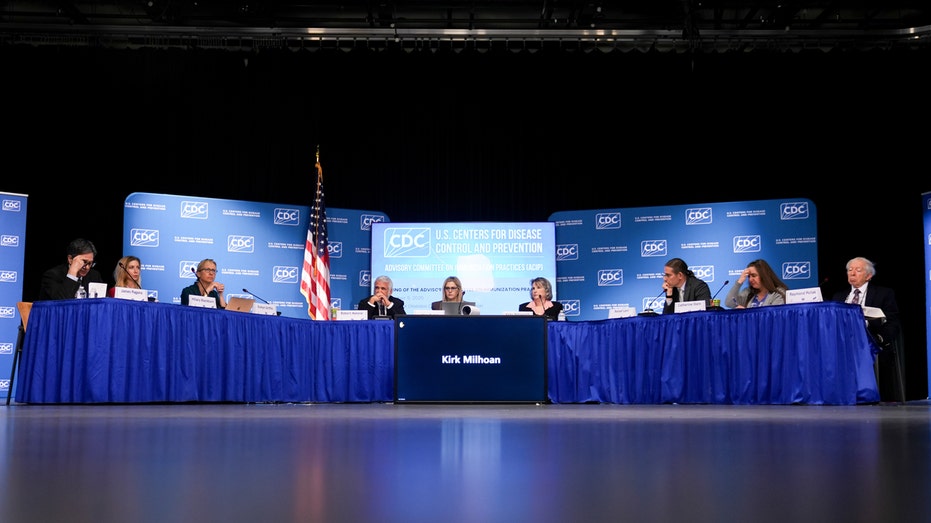
West Virginia's overall vaccination rate has traditionally been among the highest nationally, partly due to its historically narrow exemption policy. According to CDC data, about 95% of kindergarteners nationally meet vaccination requirements, a benchmark for achieving herd immunity for diseases like measles.
Currently, only about 570 families in West Virginia have sought or obtained religious exemptions, which comprises a fractional percentage of the statewide student population. However, epidemiological studies show that clusters of exemptions in certain schools or districts can dramatically increase the risk of localized outbreaks.
The state's vaccine mandate covers multiple diseases, including measles, mumps, rubella, diphtheria, and whooping cough, all of which are highly contagious and can have serious complications.
Looking Ahead
The appellate court’s upcoming rulings will be pivotal in shaping West Virginia’s vaccine exemption landscape, potentially setting a model for other states grappling with similar issues. If the religious exemption is upheld broadly, policymakers will need to closely monitor vaccination rates and disease outbreaks to reassess public health strategies.
Moreover, this case feeds into a national conversation about the limits of executive orders versus legislative authority in public health emergencies and the evolving interpretation of religious freedom laws. As vaccine hesitancy persists amid misinformation, governments and health officials may face increased pressure to clarify exemption criteria or amplify education efforts.
Finally, future legislative sessions in West Virginia may revisit the exemption bills, reflecting shifting political dynamics and public sentiment. Heightened legal scrutiny and potential Supreme Court precedent could also influence national vaccine policy frameworks.
The Bottom Line
The battle over religious exemptions to school vaccine mandates in West Virginia serves as a microcosm of a larger national struggle balancing individual religious freedoms against collective health imperatives. It underscores the complexity of public health policymaking in a polarized environment and highlights the vital role of courts, legislatures, and executive agencies in steering nuanced, evidence-based decisions. The ultimate resolution will have significant implications for disease prevention efforts, religious rights jurisprudence, and state authority in safeguarding public welfare.
Topics
Editor's Comments
This legal saga in West Virginia encapsulates the ongoing national struggle with how to integrate religious freedom into public health policy without undermining disease prevention efforts. The differing decisions between trial courts and the state Supreme Court reflect the judiciary’s challenging task of weighing conflicting rights and interests. Particularly striking is the political dimension, where even within one party, approaches to vaccine policy can sharply diverge, signaling that these debates are not simply partisan but deeply rooted in broader cultural and societal values. Going forward, it will be critical to monitor how this case influences legislative initiatives and court rulings in other states, which face rising pressures from both vaccine skeptics and public health advocates. This ongoing controversy underscores that managing infectious diseases in a pluralistic society requires nuanced policies that respect constitutional freedoms while safeguarding community health—a balance easier said than done.
Like this article? Share it with your friends!
If you find this article interesting, feel free to share it with your friends!
Thank you for your support! Sharing is the greatest encouragement for us.