Unpacking Trump's Nationwide Vaccine Schedule Review: Science, Politics, and Public Health Implications

Sarah Johnson
December 6, 2025
Brief
An in-depth analysis of Trump's directive to overhaul the U.S. childhood vaccine schedule amid CDC's withdrawal of infant hepatitis B vaccine guidance, exploring historical context, expert views, and future implications.
Why This Vaccine Review Speaks to Deep Trust and Science Debates in America
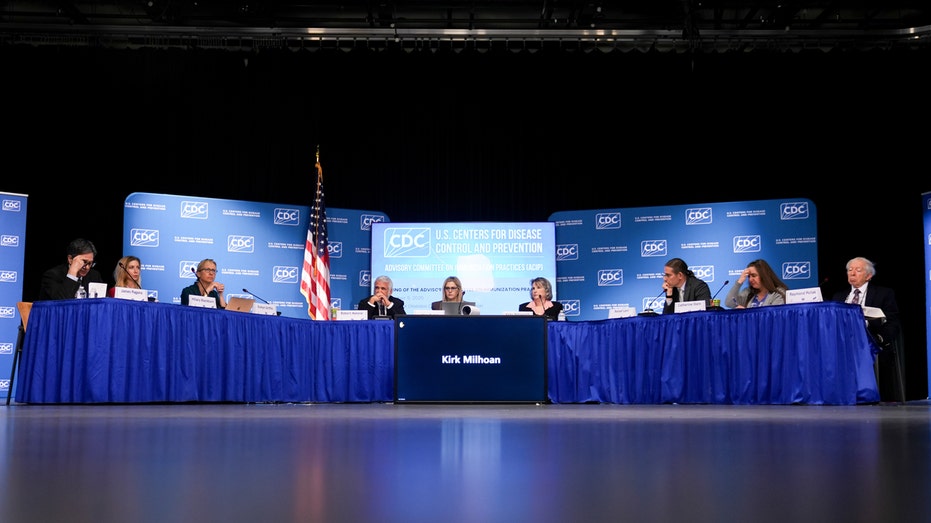
The recent announcement by former President Donald Trump to initiate a sweeping federal review of the U.S. childhood vaccine schedule—coinciding with the CDC’s advisory committee vote to withdraw the infant hepatitis B (hep B) vaccine recommendation—represents more than a routine policy adjustment. It taps into decades-old debates over vaccine safety, public health priorities, scientific standards, and the politicization of health guidance. Understanding this development requires unpacking historical vaccine policy decisions, evaluating the motivations and implications of this review, and scrutinizing how such moves reflect broader social currents in America today.
The Bigger Picture: Historical Vaccine Context and Hepatitis B Policy
The hepatitis B vaccine was first recommended for newborns in the early 1990s by the CDC as a critical step to curb vertical transmission (mother to child) and early childhood infection that could lead to chronic liver disease and cancer. Although hep B transmission is often associated with sexual contact or needle sharing in adulthood, infants infected perinatally are at highest risk of lifelong chronic infection. This rationale drove universal newborn vaccination policies designed to ensure early immunity regardless of perceived risk.
Over the ensuing decades, the U.S. vaccine schedule expanded substantially to include multiple vaccines by age 6, intended to protect children against measles, mumps, rubella, pertussis, HPV, and more. The schedule today includes around 72 doses of vaccines administered before age 18, more than most other wealthy nations with comparable healthcare systems.
This expansion was largely driven by incremental scientific evidence and disease burden reduction goals. However, vaccine skeptics and some parents criticized the number and timing of shots, raising questions about safety, necessity, and pharmaceutical influence on public health recommendations. These concerns have been magnified and politicized within the last decade, sometimes despite strong evidence affirming vaccine safety and efficacy.
What This Really Means: Deep Policy, Scientific, and Social Implications
Trump’s push to "fast track" a review aiming to align the U.S. childhood vaccine schedule closer to that of other countries underlines a key tension: balancing rigorous science with public sentiment and perceived common sense. While some experts argue that countries with fewer vaccine doses see comparable disease control, others stress that differences in epidemiology, healthcare infrastructure, and population diversity require context-specific schedules nuanced by local risks.
The withdrawal of the hep B birth dose recommendation for healthy infants challenges a long-standing practice designed to offer a safety net, and can be interpreted as a shift towards more targeted, risk-based immunization strategies. This could reduce vaccine burden on healthy newborns but also risks missing covert infections in mothers not identified in prenatal screening.
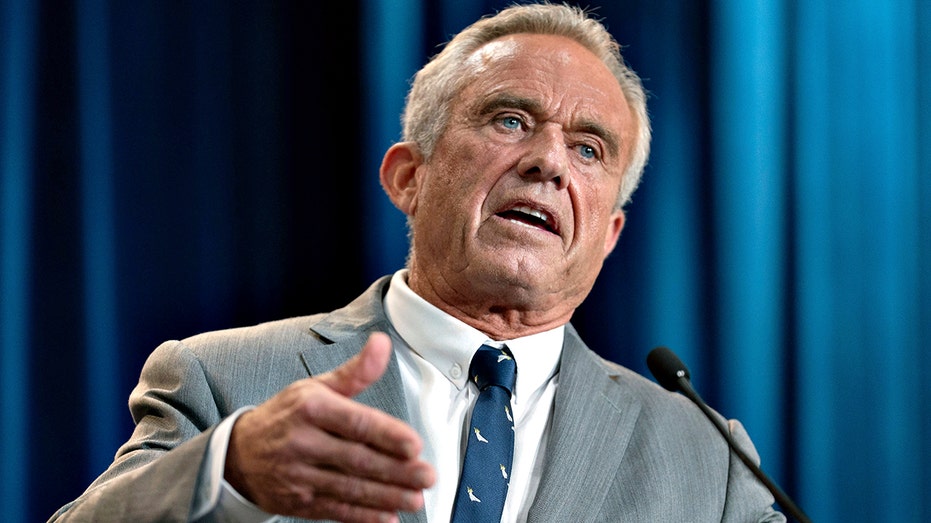
Furthermore, the political optics are striking. Trump’s public critique of the schedule as “ridiculous” and his endorsement of Robert F. Kennedy Jr.—a figure known for vaccine skepticism—signals a potential recalibration of federal health agencies’ approach to vaccines, blending scientific review with ideological priorities. Such moves risk undermining unified public health messaging, which is crucial for maintaining high immunization rates and community protection.
Expert Perspectives
- Dr. Paul Offit, Vaccine Expert: "While reviewing and updating vaccine schedules as new data emerges is essential, removing universal hep B vaccination at birth could increase risk for vulnerable infants. Science must guide these decisions, free from political interference."
- Dr. Heidi Larson, Vaccine Confidence Researcher: "The public is highly sensitive to changes in vaccine policies. If not communicated carefully, this review may fuel vaccine hesitancy, pushing some parents away from proven life-saving vaccines."
- Dr. Peter Hotez, Pediatrician and Vaccine Scientist: "Global comparisons are helpful, but one-size-fits-all approaches overlook epidemiological differences. The U.S. schedule has been optimized over time to protect diverse populations."
Data & Evidence
According to CDC data, the U.S. has achieved greater than 90% coverage for key childhood vaccines like MMR and DTaP, contributing to near-elimination of devastating diseases such as polio and measles. Globally, infant hep B vaccination has halved new infections in many countries since implementation.
Comparatively, France and Germany administer fewer vaccine doses in early childhood but have recently faced vaccine hesitancy driven measles outbreaks, illustrating challenges with less comprehensive schedules. Additionally, the CDC’s own data shows that perinatal transmission risk persists without universal birth dosing, especially when maternal screening misses infections.
Looking Ahead: What to Watch
The imminent evaluation of vaccine schedules could trigger significant changes leading to:
- Potential reduction of vaccines given in early infancy, with increased focus on individual risk assessment.
- Heightened public debate around vaccine safety and government mandates, impacting immunization uptake.
- Possible shifts in CDC operations and public trust, especially if political appointees override scientific consensus.
- Broader scrutiny and comparisons of U.S. vaccine policies with global standards, sparking international dialogue.
Careful, transparent communication will be critical to maintain public confidence and ensure immunization programs’ continued success.
The Bottom Line
This vaccine schedule review ordered by Trump and the CDC advisory changes represent a flashpoint in ongoing tensions between science, policy, and public perception. While some questions about optimizing immunization timing are valid, the risk of politicizing vaccines threatens hard-won public health gains. The review's outcomes will influence not only U.S. childhood vaccination but also broader societal trust in health institutions amid an age of rising misinformation and polarization.
Topics
Editor's Comments
This vaccine schedule review should be viewed as more than a mere health policy update—it arrives at the intersection of science and political ideology at a time when public trust in institutions is fragile. The involvement of political figures with contentious vaccine views adds complexity, potentially challenging the traditional science-driven approach of the CDC. While re-examining vaccine schedules is a normal part of public health work, framing the existing schedule as "ridiculous" without robust scientific challenge risks deepening divisions and confusion. Going forward, close attention is needed on how findings are communicated to the public, and whether scientific rigor remains paramount. This development raises essential questions: Can public health policy remain insulated from political winds? How will the vaccination landscape adapt during such politically charged scrutiny? These questions are central to the U.S.’s ability to maintain disease prevention gains in an era increasingly defined by skepticism and misinformation.
Like this article? Share it with your friends!
If you find this article interesting, feel free to share it with your friends!
Thank you for your support! Sharing is the greatest encouragement for us.