Beyond the Headlines: Analyzing the Trump Administration’s Fentanyl Free America Strategy and Its Broader Implications

Sarah Johnson
December 3, 2025
Brief
An in-depth analysis of the Trump administration's 'Fentanyl Free America' plan explores its maritime interdiction tactics, organized crime involvement, public health integration, and future challenges in combating opioid trafficking.
Opening Analysis
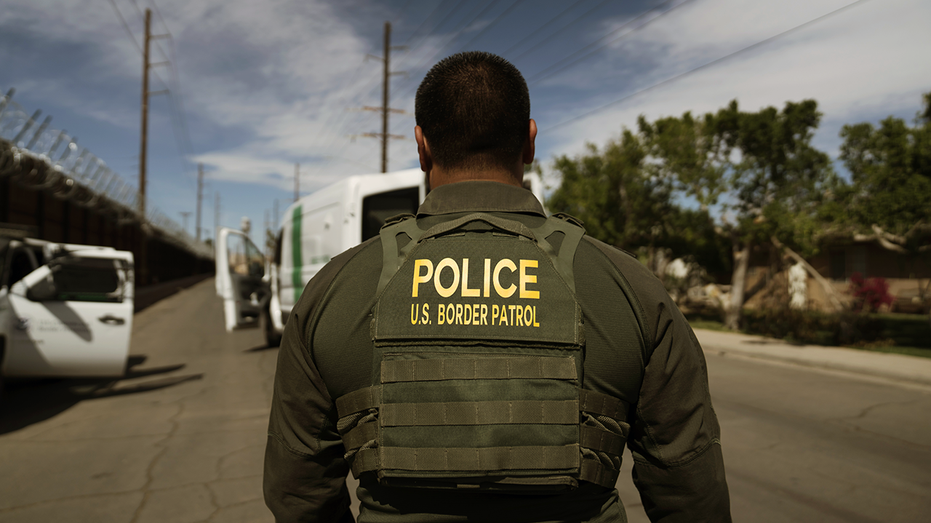
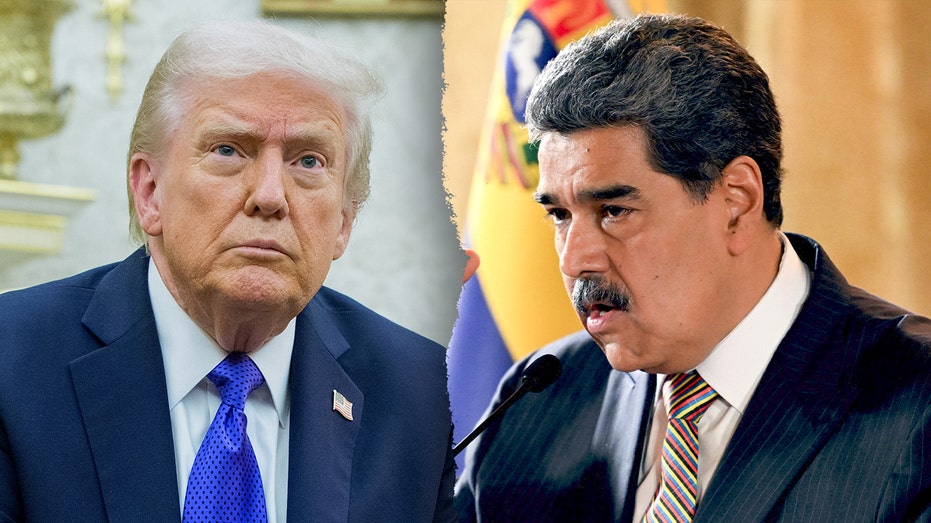
The Trump administration’s introduction of the "Fentanyl Free America" plan marks a renewed and intensified federal effort to combat the deadly influx of fentanyl and other illicit drugs into the United States. This initiative, coupled with an aggressive DEA-backed military approach targeting trafficking routes in the Caribbean, represents an escalation in the government’s strategy to address the opioid crisis, but also raises complex questions about enforcement efficacy, regional geopolitics, and the evolving nature of drug trafficking networks.
The Bigger Picture
Fentanyl, a synthetic opioid far more potent than heroin, has been a driving factor behind the rise in overdose deaths in the U.S. over the past decade. Tracing its roots reveals a transition from prescription opioid abuse to illicit manufacturing and smuggling, predominantly from China and Mexico. Historically, U.S. drug interdiction efforts focused heavily on Latin American cartels transporting cocaine and heroin via land and sea routes.
In recent years, trafficking pathways have shifted, with traffickers exploiting Caribbean transit points like the Dominican Republic and Puerto Rico to circumvent traditional land border controls. The Trump administration’s strategy of maritime strikes on suspected drug boats in these regions attempts to adapt to this evolving landscape by disrupting shipments before they reach the U.S. mainland.
Crucially, the confirmation that groups like the Hells Angels motorcycle gang are instrumental in fentanyl distribution expands the traditional understanding of drug trafficking beyond cartels to include organized crime syndicates that tie cross-border smuggling to domestic distribution networks.
What This Really Means
The plan’s public emphasis on education — teaching children about fentanyl dangers and equipping parents with resources — points to a recognition that enforcement alone cannot stem the tide. The U.S. drug crisis is as much a public health emergency as a law enforcement challenge. By labeling traffickers as “foreign terrorists” and highlighting the use of social media platforms like Instagram for recruitment and sales, the administration underscores the evolving digital landscape where narcotics markets operate.
The reported increase in price points for cocaine arriving in Caribbean transit hubs implies logistical disruptions have tangible market effects, but it remains to be seen if supply chain interference will sustainably curb availability or inadvertently drive traffickers to more dangerous or opaque routes.
Moreover, targeting maritime routes in the Caribbean may create geopolitical tensions with regional partners if military-style actions are perceived as infringements on sovereignty, potentially complicating cooperation that is necessary for long-term success.
Expert Perspectives
- Dr. Nora Volkow, Director of the National Institute on Drug Abuse: "Fentanyl's lethality demands multifaceted strategies that combine interdiction, addiction treatment, and community education. Simply disrupting supply lines without addressing demand will limit progress."
- Dr. Seth Stoughton, former federal prosecutor and law enforcement policy expert: "Labeling traffickers as terrorists reflects frustration but risks conflating drug trafficking with political violence, which could complicate legal frameworks and international partnerships."
- Dr. Sarah Mars, criminologist specializing in drug markets: "The involvement of motorcycle gangs like the Hells Angels shows how domestic organized crime adapts to transnational drug economies, blurring lines between international and internal enforcement challenges."
Data & Evidence
According to CDC data, over 100,000 drug overdose deaths were reported in the U.S. in the most recent 12-month period, with synthetic opioids like fentanyl involved in nearly 70% of these cases. Maritime interdiction reports from the DEA suggest a 15-25% increase in seized shipments in the Caribbean region this year compared to previous periods, signaling increased enforcement pressure.
Social media analyses show that fentanyl promotion on platforms such as Instagram and TikTok contributes to rising youth exposure; a 2024 study found 40% of substance-related posts on social platforms had references to synthetic opioids, complicating prevention efforts.
Looking Ahead
The "Fentanyl Free America" plan’s success will depend heavily on integration with public health strategies, international diplomatic cooperation, and technological adaptations to emerging digital drug markets. The potential backlash from heavy-handed maritime interventions may prompt traffickers to diversify routes further, including increased shipments through Africa or Southeast Asia, indicating a need for global coordination.
Additionally, efforts to combat the role of domestic criminal organizations like the Hells Angels require sophisticated surveillance and enforcement that bridges federal, state, and local jurisdictions. Advances in AI and data analytics could be pivotal in tracking digital narcotics networks.
The Bottom Line
This new strategy reflects an urgent and multifaceted attempt to tackle fentanyl trafficking by disrupting supply chains, educating vulnerable populations, and cracking down on organized criminal facilitators. However, without addressing systemic demand, improving addiction services, and fostering multilateral cooperation, supply-side measures alone will have limited long-term impact. Policymakers must reconcile enforcement with prevention and treatment to effectively confront this evolving crisis.
Topics
Editor's Comments
The introduction of the 'Fentanyl Free America' plan reveals the Trump administration’s attempt to reframe the opioid crisis as not only a health emergency but a national security issue. This dual approach brings valuable resources to bear but also risks pushing enforcement toward militarized tactics that may alienate essential regional partners. The expansion of focus to criminal motorcycle gangs underscores a growing recognition that trafficking networks are multifaceted and extend deeply into domestic territories. However, the plan’s success hinges on balancing interdiction with community-level prevention and treatment, areas where previous federal efforts often fell short. As fentanyl continues to evolve in potency and production methods, the strategy will need constant adaptation and clear metrics of success beyond seizure counts.
Like this article? Share it with your friends!
If you find this article interesting, feel free to share it with your friends!
Thank you for your support! Sharing is the greatest encouragement for us.