Beyond the Headlines: The Strategic and Legal Complexities of U.S. Military Strikes on Narco-Terrorist Vessels

Sarah Johnson
December 5, 2025
Brief
An in-depth analysis of the U.S. military's intensified strikes on suspected narco-terrorist vessels, exploring legal complexities, strategic implications, and the evolving nexus of counterterrorism and counter-narcotics efforts.
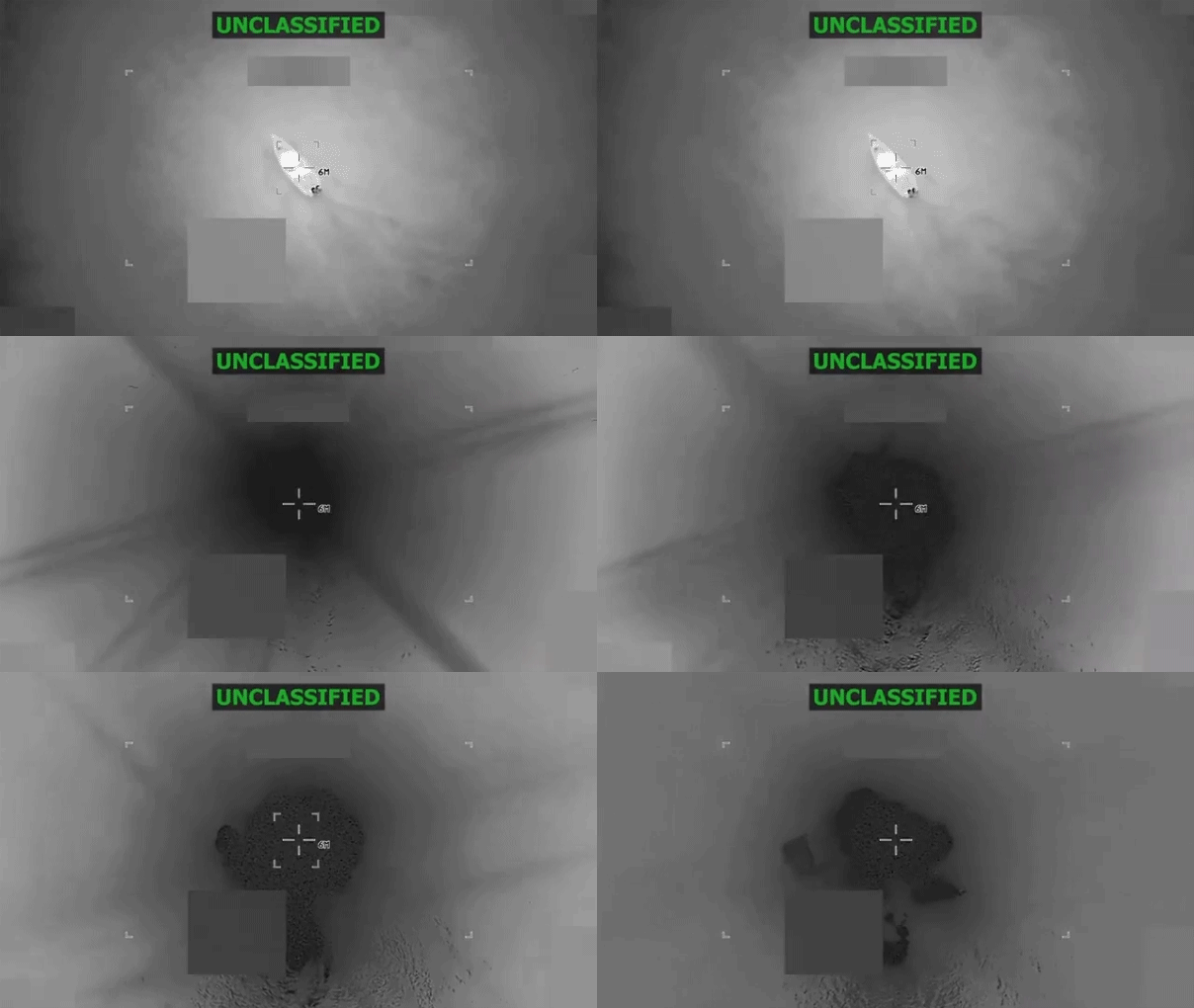
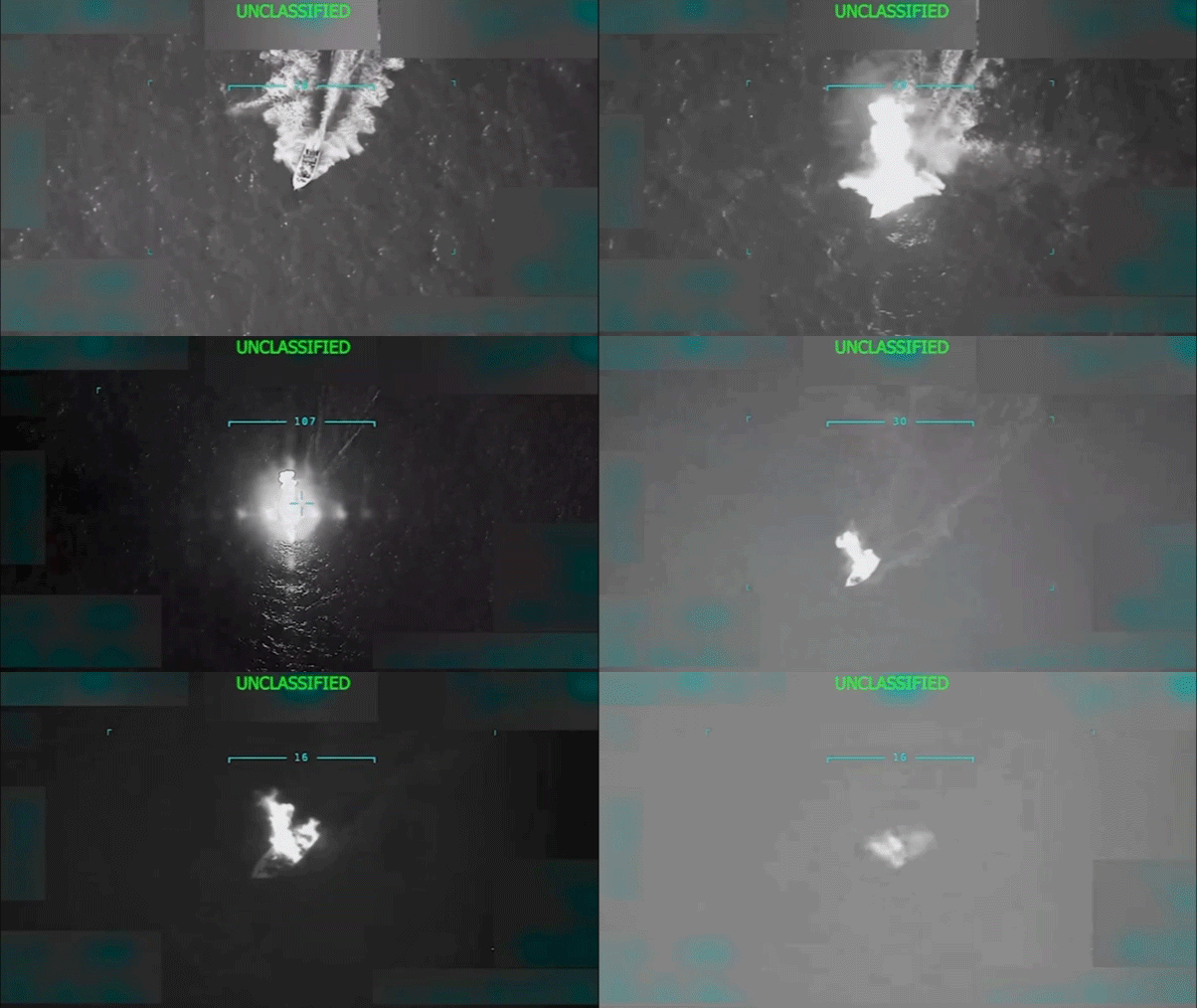
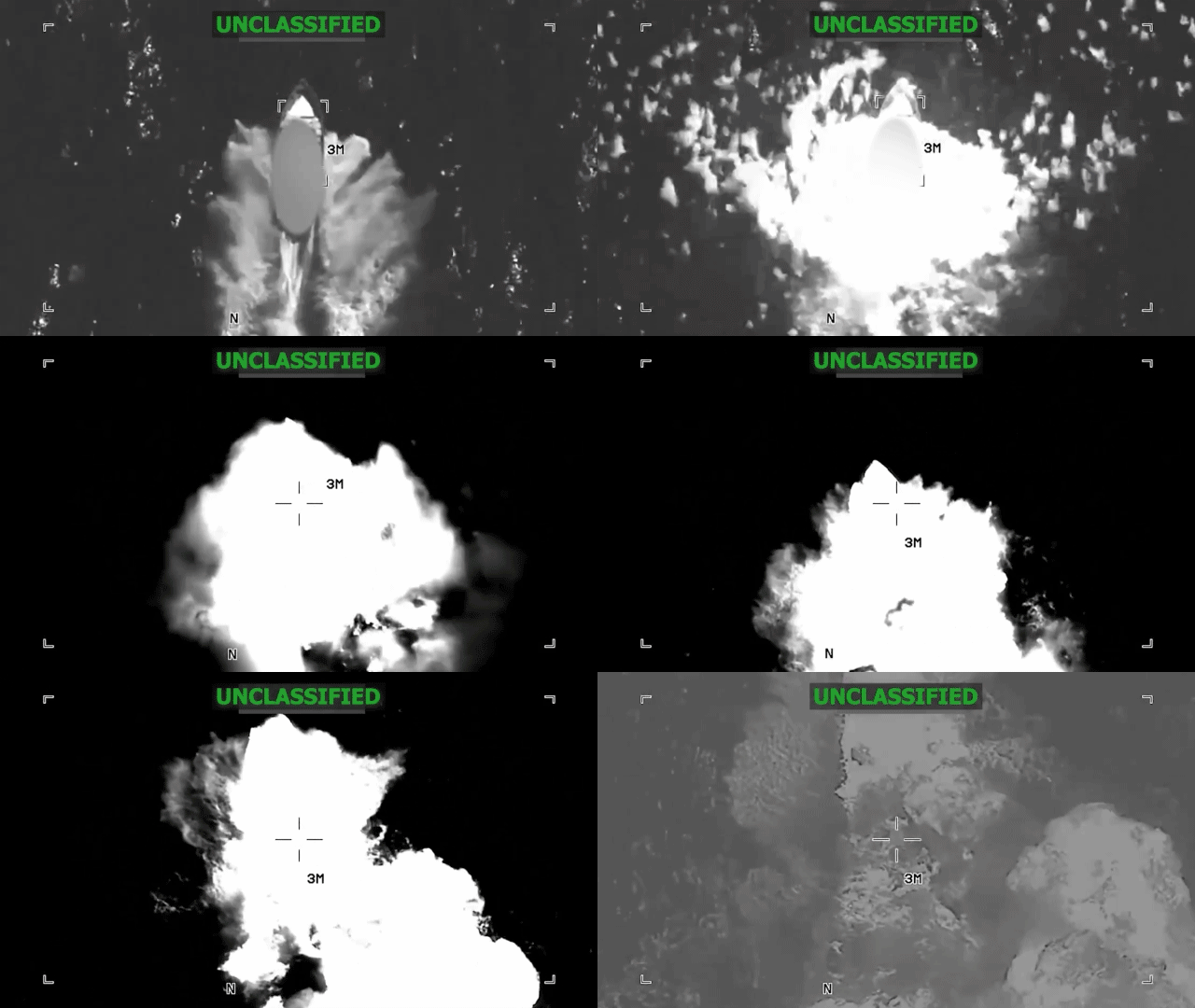
The recent U.S. military strike against a suspected drug vessel operated by a designated terrorist organization underscores a persistent and evolving challenge in American counter-narcotics and counterterrorism operations. Marking the 22nd such strike under Defense Secretary Pete Hegseth, this action highlights how Washington increasingly integrates kinetic military power into drug interdiction efforts normally handled by civilian law enforcement, reflecting a broader shift toward militarized responses to transnational criminal networks.
Historically, U.S. efforts to dismantle drug trafficking have oscillated between intelligence-led law enforcement, regional cooperation, and military intervention. Dating back to the early 1980s, the "War on Drugs" doctrine expanded American involvement in Latin America, including support for interdiction and eradication programs. However, the labeling of certain traffickers as "narco-terrorists" heralds a blurring of lines between organized crime and terrorism, allowing military forces to operate with more leeway under counterterrorism frameworks. This dual designation effectively criminalizes logistics chains as legitimate military targets but raises complicated legal and ethical questions about the use of lethal force in international waters.
The latest strike took place in international waters in the Eastern Pacific, targeting a vessel confirmed to be transporting illicit narcotics along a known trafficking route—highlighting the geographical breadth and complexity of drug smuggling pathways that transcend national jurisdictions. While these strikes aim to disrupt supply chains and inflict personnel losses on designated groups, the cumulative human toll—86 killed to date—demands scrutiny regarding proportionality and operational oversight.
A critical flashpoint has been the handling of survivors from these strikes. The September 2 incident, in which survivors were reportedly killed in follow-up operations, sparked intense bipartisan debate, legal challenges, and congressional inquiries. Pentagon legal analysts point to the Law of War manual’s explicit prohibition against attacking those "helpless" due to shipwreck or wounds unless they resume hostile acts, potentially putting some follow-up strikes in legally ambiguous territory. Defense officials have argued that survivors represented a continued threat by signaling for backup or regrouping, yet the opacity surrounding command decisions fuels concerns about accountability in these engagements.
Within Congress, lawmakers are divided on how to approach oversight and policy reform. Senate Intelligence Chairman Tom Cotton and others defend the strikes, emphasizing the ongoing threat from designated terrorist organizations exploiting narcotics trafficking to fund violent extremism. Meanwhile, figures like Rep. Jim Himes stress humanitarian and legal considerations, highlighting the survivors as "shipwrecked sailors" whose treatment merits adherence to international norms. The polarized discourse reflects broader tension between national security imperatives and human rights commitments in U.S. policy toward maritime interdiction.
Experts in international maritime law and counterterrorism stress that these operations occur in a rapidly shifting legal environment. Professor Martha Shaffer, a specialist in international law at Georgetown University, notes: "The intersection of counter-narcotics efforts with counterterrorism designations creates a legal gray zone where established norms about combatant status and the use of force must be carefully re-examined to prevent abuses and ensure compliance with international humanitarian law." She further warns that without clear, transparent protocols for handling survivors, these operations risk undermining U.S. moral authority and fueling regional resentment.
Data from the U.S. Southern Command illustrates that these strikes, while tactically disrupting shipments, have not substantially reduced overall drug flows through the region, emphasizing the complex adaptive capacity of illicit networks. Interdiction efforts can slow trafficking temporarily but often lead to the emergence of new routes or tactics. For example, smugglers increasingly use semi-submersibles, aerial drops, and diversified cargo to evade detection, underscoring the need for integrated intelligence and multilateral cooperation beyond kinetic strikes.
Looking ahead, several implications warrant attention. The continued use of lethal force against vessels in international waters raises questions about sovereignty and the legal basis for such operations under international law. Increased congressional scrutiny may drive calls for clearer rules of engagement and enhanced oversight mechanisms. Moreover, evolving technologies such as unmanned surveillance platforms and AI-enabled targeting may transform future interdiction tactics, requiring updated policy frameworks to balance efficacy with legal and ethical standards.
On the geopolitical front, U.S. reliance on military counter-narcotics strikes may complicate relations with regional partners like Mexico and Colombia, especially if incidents of civilian harm or legal violations occur. Collaborative approaches emphasizing capacity-building, intelligence sharing, and judicial reforms could offer more sustainable long-term solutions to drug trafficking and its links to terrorism.
In summary, the 22nd U.S. strike on a designated terrorist-operated drug vessel encapsulates the multifaceted challenges of combating illicit narcotics at the intersection of counterterrorism, international law, and maritime security. While presenting tactical disruption and degradation of adversary capabilities, it also raises difficult questions about legal norms, human rights, and strategic efficacy that policymakers must confront to ensure responsible and effective action in complex transnational security environments.
Topics
Editor's Comments
This series of strikes encapsulates the evolving challenge of countering illicit narcotics that fund terrorism, but it also spotlights the delicate balance between military necessity and adherence to legal and ethical standards. The polarized congressional reactions expose a broader tension in U.S. policy—how to aggressively disrupt dangerous networks while respecting humanitarian norms and international law. The lingering questions about survivor treatment and transparent command accountability suggest that without clearer protocols and oversight, these operations risk damaging the credibility and legitimacy of U.S. efforts. Additionally, there is an underappreciated strategic risk: overreliance on force may drive traffickers to innovate more elusive methods, suggesting that kinetic actions must be paired with diplomatic, economic, and judicial partnerships in the region for sustainable impact.
Like this article? Share it with your friends!
If you find this article interesting, feel free to share it with your friends!
Thank you for your support! Sharing is the greatest encouragement for us.