Beyond the Hype: What the Olive Oil Shot Craze Really Means for Your Health

Sarah Johnson
December 3, 2025
Brief
An in-depth analysis of the viral olive oil shot trend, examining its health claims, scientific evidence, and implications for nutrition trends and consumer behavior in the wellness space.
Opening Analysis
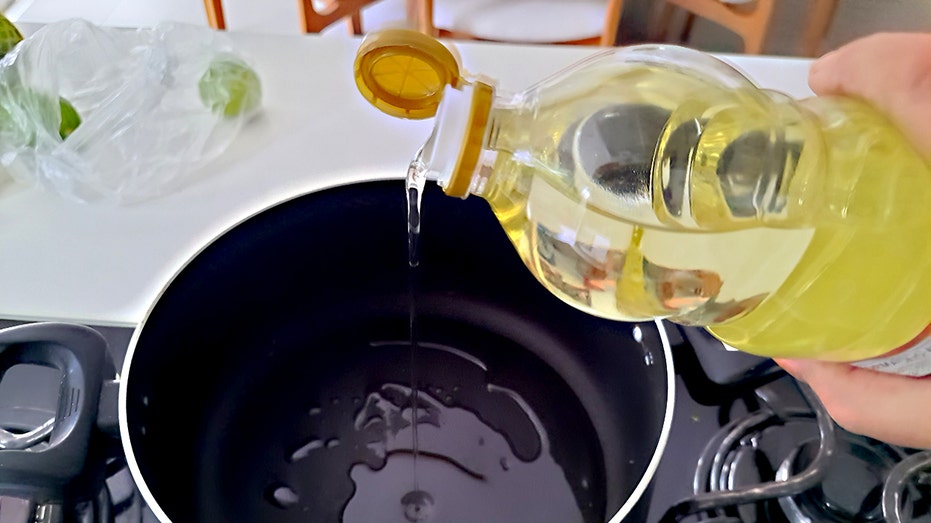
The recent surge of the "olive oil shot" trend on social media platforms like TikTok and Instagram exemplifies how wellness fads can rapidly gain traction without robust scientific backing. While proponents tout supposed benefits such as improved digestion, reduced cravings, and enhanced skin health, medical experts urge caution, emphasizing that olive oil’s well-documented health advantages stem from its use as part of an overall diet—not as a concentrated supplement ingested in isolation. This phenomenon highlights the broader challenges posed by “viral wellness” trends: how anecdotal enthusiasm and influencer promotion can sometimes outpace evidence-based practice and potentially mislead health-conscious consumers.
The Bigger Picture
Olive oil’s health reputation is rooted in centuries of Mediterranean dietary patterns widely studied since the mid-20th century. The Mediterranean diet, rich in extra-virgin olive oil (EVOO), vegetables, whole grains, and lean proteins, has been associated with reduced cardiovascular disease, improved metabolic markers, and anti-inflammatory effects. Landmark studies such as the PREDIMED trial (published in 2013) have cemented EVOO's role as a heart-healthy fat, thanks largely to its polyphenol content and favorable fatty acid profile.
However, these benefits are linked to olive oil consumed as part of meals—not in isolation. Traditionally, olive oil functions as an ingredient—drizzled over salads, cooked into dishes, or used as a butter substitute. The idea of ingesting it as a straight “shot” is relatively new and stems from social media’s penchant for simplified, quick-fix health hacks.
What This Really Means
The olive oil shot trend is symptomatic of a larger cultural shift towards ingredient-focused, minimalist wellness rituals that promise easy-to-follow routines with alluring claims of energy boosts, detoxification, or appetite control. Yet extracting olive oil from its culinary context and ingesting it alone overlooks important nutritional dynamics.
First, consuming fat in isolation—especially as a concentrated shot on an empty stomach—may cause gastrointestinal discomfort such as nausea or diarrhea, as reported by some users and affirmed by physicians. Second, the caloric density of a tablespoon of olive oil (~120 calories) means daily shots can substantially increase energy intake, potentially leading to weight gain over time if not balanced within total diet.
Moreover, the notion that olive oil shots regulate hunger or enhance digestion lacks robust clinical evidence. Satiety is a complex physiological response involving macronutrient mix, gut hormones, and individual metabolic factors. As such, a single nutrient-focused intervention is unlikely to be a universal appetite suppressant.
Expert Perspectives
Dr. Will Haas, Family Physician: "Extra-virgin olive oil is indeed packed with polyphenols and healthy fats which support inflammation regulation, blood sugar stability, and skin health. However, swallowing it straight as a supplement isn't necessary to achieve these benefits. It's better integrated into meals where it can slow digestion and aid nutrient absorption."
Kavita Channe, Wellness Influencer: "Anecdotally, shifting focus to clean fats like high-polyphenol olive oil dramatically improved my energy and digestion. The key is sourcing quality oil. But this might not replicate across all individuals or justify the 'shot' format entirely."
Dr. David Katz, Public Health Expert and Nutrition Researcher: "Trends like olive oil shots are often well-intentioned but oversimplify how complex nutrition and metabolism really are. Focusing on a single food item in isolation can distract from overall dietary patterns that matter far more for health."
Data & Evidence
- The PREDIMED Study (2013): A large randomized trial showing the Mediterranean diet supplemented with extra-virgin olive oil reduced cardiovascular events by approximately 30% compared to low-fat diets.
- Olive oil contains 14–28 mg of polyphenols per 20 grams, compounds linked to antioxidant and anti-inflammatory effects.
- The typical tablespoon shot (15 mL) of olive oil delivers around 120 calories and 14 grams of fat, mostly monounsaturated.
- Gastrointestinal adverse effects from isolated fat ingestion are noted in clinical case reports, including nausea, bloating, and diarrhea, especially when consumed quickly or on an empty stomach.
- Consumer surveys indicate many social media health trends lack controlled studies; benefits reported by users are often anecdotal without controlled verification.
Looking Ahead
The olive oil shot craze likely reflects a recurring pattern in wellness culture: rapid viral adoption of a trend rooted more in anecdotal testimony than rigorous evidence. For nutrition science and public health communication, this presents an opportunity and challenge. Experts and clinicians must find more effective ways to engage audiences by combining scientific rigor with compelling narratives, to combat misinformation and prevent potential unintended harms.
Looking forward, consumers drawn to olive oil’s benefits might better focus on incorporating high-quality extra-virgin olive oil into well-balanced meals based on established dietary guidelines. Additionally, further research could investigate if there are any populations or contexts where targeted consumption timing of olive oil might affect metabolism or gut health.
Social media platforms might increasingly become adjudicators of wellness trends, but responsibility falls on influencers and health professionals to collaborate in providing nuanced, evidence-based guidance rather than promoting oversimplified remedies.
The Bottom Line
Olive oil is a healthful fat long celebrated for its anti-inflammatory and cardiometabolic benefits, but these advantages arise from its role within dietary patterns—not from ingesting it as daily shots. Enthusiasm for olive oil shots underscores how wellness fads often blur lines between traditional nutrition and viral marketing. Consumers should prioritize evidence-based dietary habits incorporating olive oil sensibly and be cautious about adopting trends lacking scientific validation. Ultimately, balanced eating patterns trump isolated nutrient gimmicks in promoting lasting health.
Topics
Editor's Comments
The olive oil shot craze captures the fast-paced nature of viral wellness—how a single ingredient can be elevated to a supposed panacea without sufficient scientific validation. While olive oil is an undisputedly healthful fat, this trend underscores how fragmented nutritional messages can lead consumers to adopt potentially ineffective or even harmful practices. It raises important questions about how health influencers, media, and the public can better interface to prioritize evidence over anecdote. Ultimately, this story is a microcosm of the challenges in contemporary nutrition education, highlighting the need for a more nuanced and systemic approach to public health communication.
Like this article? Share it with your friends!
If you find this article interesting, feel free to share it with your friends!
Thank you for your support! Sharing is the greatest encouragement for us.