Beyond the Draw: What the US Men’s National Team’s Favorable World Cup Group Really Means

Sarah Johnson
December 6, 2025
Brief
An in-depth analysis of the US Men's National Team's favorable 2026 World Cup group draw reveals historical context, strategic implications, and transformative potential beyond mere matchups.
Why the US Men’s National Team’s 2026 World Cup Group Could Signal a Turning Point
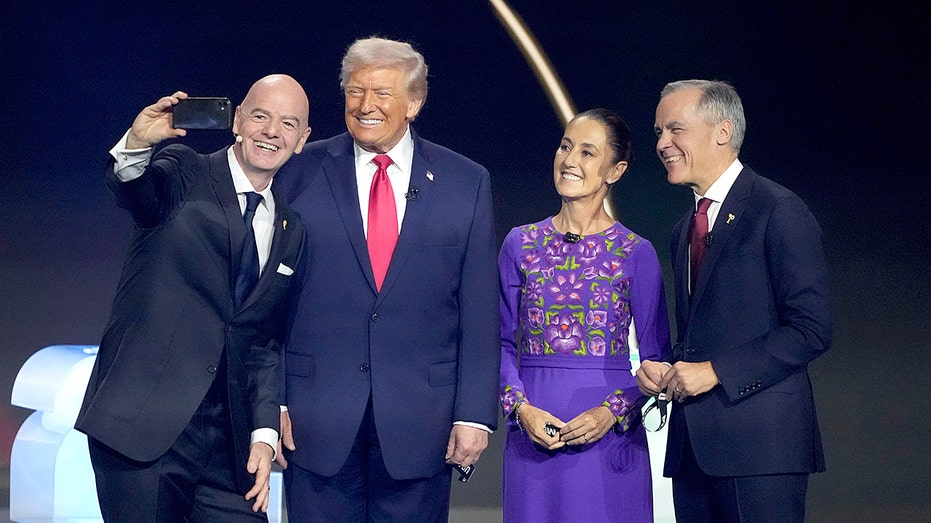
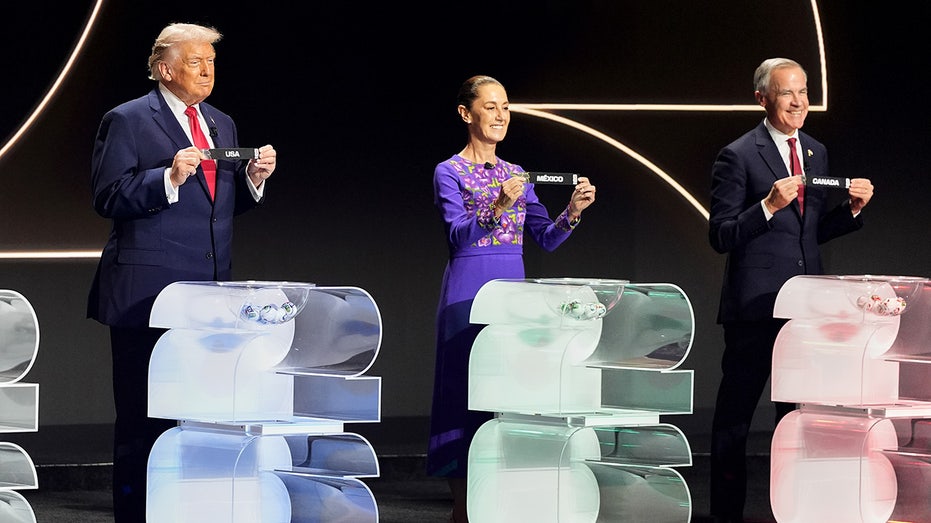
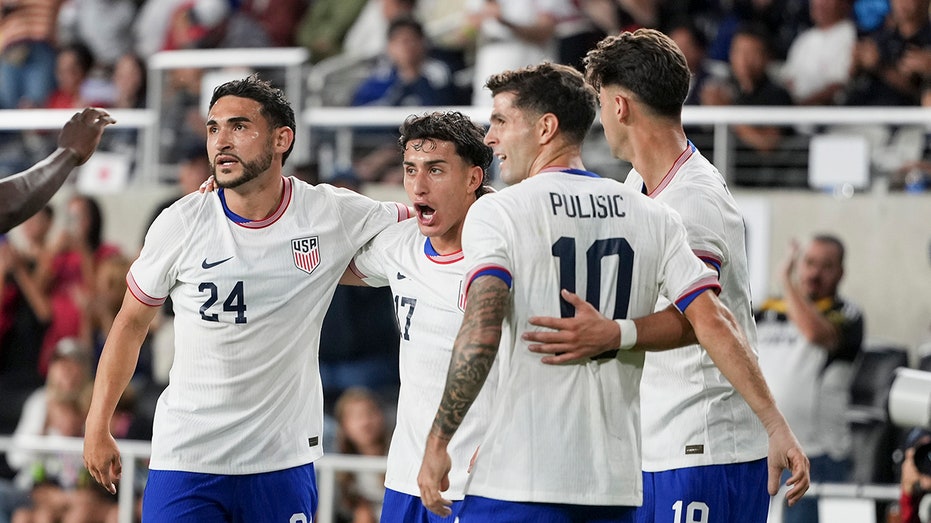
The recent World Cup group draw hands the US Men’s National Team (USMNT) what many experts are calling a comparatively 'favorable' group stage lineup. On paper, the US stands as the highest-ranked squad, facing Australia, Paraguay, and an as-yet undetermined playoff winner. While optimism runs high for the US to comfortably advance, a deeper analysis reveals this is more than merely a well-aligned group—it's emblematic of both soccer’s shifting geopolitical landscape and the US’s evolving ambition within the sport.
The Bigger Picture: Historical Context and US Soccer’s Evolution
Historically, the USMNT’s World Cup trajectory has been a rocky rollercoaster. After a quarter-century absence following a promising 1930 semi-final run, the modern resurgence began in earnest post-1990. Mexico and the US long dominated CONCACAF, but globally, the US struggled against traditional powers.
The 2010 and 2014 World Cups marked critical moments with consecutive Round of 16 finishes—solid but short of US fans’ growing expectations. These achievements came despite a relatively low FIFA ranking and amid concerns over domestic talent development and organizational consistency. Missing the 2018 tournament, a major shock, sparked soul-searching within US Soccer. Notably, last year’s Copa América failure at home reinforced the perception that while talented, the US squad had yet to mature into a true global contender.
The sport’s landscape is also in flux. The 2026 World Cup, hosted partly in the US, is the first to feature an expanded 48-team format, offering wider competitive access but also shifting tournament dynamics. This expansion arguably removes some underdog dangers for the US in early rounds but increases the complexity of later stages.
Underlying Causes of the Favorable Draw
Several factors converge to create this seemingly propitious group. First, FIFA’s confederation separation rules prevent teams from the same continental federation sharing groups; hence, Paraguay was placed in the US group to avoid an overlap with Brazil in another group. Australia, a consistent qualifier via the Asian Football Confederation, offers known challenges but lacks deep World Cup success beyond occasional Round of 16 appearances.
The potential opponents in the playoff—Turkey, Romania, Slovakia, or Kosovo—are all either returning after a long absence or debutants, presenting less immediately daunting competition. This scenario reflects a broader trend in global soccer: traditional powers from Europe and South America still dominate deeper stages, but emerging nations and former satellites like Kosovo project the sport’s expanding geographic diversity.
What This Really Means: Beyond the Surface
While the US’s ranking and opponents imply a smooth passage through the group, the real challenge lies in converting this advantage into sustainable progress. Historically, the US has occasionally stumbled against teams with less pedigree due to tactical naivety or underestimating opponents. The current team must learn from past oversights to avoid complacency.
Furthermore, the US hosting significant World Cup matches adds immense pressure and opportunity. Performing well on home soil can accelerate soccer’s domestic popularity and investment, reinforcing developmental pipelines like the MLS and youth academies. Success here could help the US finally break through to quarterfinals and beyond—a stage the nation reached only once, in 1930.
At a societal level, the US’s favorable group could energize diverse communities, especially given soccer’s rapid growth across various demographic groups. In this way, the World Cup doesn’t just represent sports glory but also cultural cohesion and increasing global interconnectedness through the world’s most popular game.
Expert Perspectives
Timothy Shea, a seasoned FIFA analyst, notes, "This group is a textbook example of FIFA’s expanded format benefits for mid-tier teams. For the US, it’s both an opportunity and a test—will they capitalize on what is arguably the most accessible group they’ve had in decades?"
Lisa Gómez, professor of sports sociology, adds, "The USMNT’s progress reflects larger societal trends: multiculturalism, youth empowerment, and shifting identities in American sports fandom. A strong World Cup run could be transformative beyond just athletic achievement—it’s about national image and global positioning."
Data & Evidence: Rankings and Past Performance
- The US currently ranks highest in its group (approx. top 20 globally), while Australia (26), Paraguay (39), and playoff contenders rank lower.
- Australia has historically reached two Round of 16 stages, Paraguay reached quarterfinals in 2010, but the US has never surpassed that threshold since 1930.
- The USMNT’s missed 2018 qualification underscored cyclical challenges in developmental breadth and coaching strategies.
- MLS viewership and youth participation have grown nearly 25% in the last 5 years, suggesting a strengthening domestic foundation.
Looking Ahead: Future Implications and What to Watch
The immediate question is whether the USMNT capitalizes on this group to push into the tournament’s later stages. Key factors will include tactical sophistication, mental resilience, and squad depth.
Long-term, this World Cup could catalyze a new era for American soccer, pushing it toward parity with traditional powers. Attention must also be paid to infrastructural commitments, youth development, and integration of diverse playing styles brought in by an increasingly globalized player pool.
Moreover, the 2026 tournament’s broader format creates unpredictable knock-out brackets, meaning success depends on adaptability as much as initial group stage dominance.
The Bottom Line
While the USMNT’s friendly group draw bodes well for their 2026 World Cup aspirations, it’s not a guarantee of success. This moment encapsulates the US’s potential rise as a genuine soccer power amid shifting historical, cultural, and sporting tides. Capitalizing on this window could redefine US soccer’s identity on the world stage and inspire wider societal engagement with the game.
Topics
Editor's Comments
While many focus on the surface-level optimism around the USMNT’s group, it’s critical to ask how this draws fits into the broader evolution of American soccer. The group is not just a path to the knockout rounds but a litmus test for whether the US can translate growing enthusiasm and investment into consistent World Cup success. Additionally, the sociocultural stakes are higher than ever—soccer is becoming a vehicle for defining American identity amid shifting demographics and global integration. Will the USMNT rise to this occasion? The answer lies as much in strategic leadership and long-term planning as in the talent on the pitch.
Like this article? Share it with your friends!
If you find this article interesting, feel free to share it with your friends!
Thank you for your support! Sharing is the greatest encouragement for us.