Beyond the Fine: What the Philadelphia 76ers' $100K NBA Penalty Reveals About Injury Reporting and Player Health

Sarah Johnson
December 4, 2025
Brief
Analyzing the Philadelphia 76ers' $100,000 NBA fine for Joel Embiid injury report violations reveals deeper issues in sports transparency, player health, and league governance.
Why the $100,000 Fine Against the Philadelphia 76ers Goes Beyond a Simple Injury Report
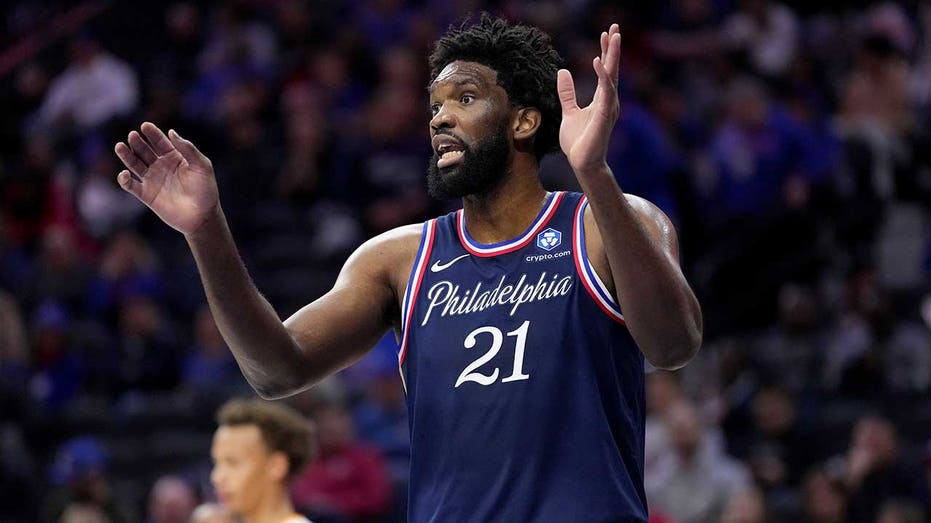
The NBA’s recent decision to fine the Philadelphia 76ers $100,000 for inaccurate reporting of Joel Embiid’s injury status is a story that underscores far more than administrative oversight. This incident highlights deep tensions in managing superstar health, maintaining competitive integrity, league governance challenges, and the evolving expectations around transparency in professional sports.
The Bigger Picture: Injury Reporting and Transparency in the NBA
Historically, injury reporting in professional sports has been a thorny issue. Teams balance protecting player health and strategic game advantages against the league’s transparent injury protocols designed to ensure fair competition and protect bettors and fans. The NBA’s strict guidelines require truthful, timely disclosure of player availability, a response to scandals and controversies in the past that impacted game integrity and public trust.
Joel Embiid’s career has been defined by his dominance on the court — but equally by his injury struggles, including frequent knee and back issues that have led to missed games. The 76ers have faced repeat scrutiny over how they communicate his health status. Multiple fines earlier in 2024 suggest a pattern rather than isolated lapses. This recurrent violation feeds into broader concerns about whether teams prioritize short-term competitive advantage or long-term player wellness and transparency.
What This Really Means: The Stakes of Injury Reporting Violations
At first glance, listing Embiid as “Out” only to have him play may seem like a minor breach, but the consequences ripple much further. Accurate injury info shapes opponent preparation, affects coaching decisions, and impacts betting markets, which rely heavily on this data. A player’s late-game availability can shift odds and fan expectations dramatically.
Moreover, in a league growingly vigilant about player safety and integrity post-pandemic, transparency violations risk undermining trust not just in one franchise, but the NBA system as a whole. Fans are more informed and demand accountability; they expect honesty not just about star players’ availability but about how their health is managed.
The NBA’s citation of the 76ers’ "prior history of fines" underscores a growing intolerance towards repeat offenders. This is less about punishment and more about setting a precedent—the league is signaling that injury transparency is non-negotiable.
Expert Perspectives
Dr. Michael Smith, a leading sports medicine specialist, notes, "The tension between managing player health and competitive pressures is real. But withholding or inaccurately reporting injury statuses endangers players by potentially rushing them back prematurely, increasing risk of re-injury." Sarah Lee, a former NBA executive focused on league compliance, adds, "The league’s expanding oversight is crucial—repeat fines suggest some teams still view injury reporting as a strategic asset rather than a responsibility. That mindset needs cultural change." Meanwhile, legal analyst James Carter points out, "Injury reports have legal and financial impacts—misreporting can trigger violations of betting regulations and contractual obligations with sponsors and broadcasters."
Data & Evidence: Injury Trends and Fines in the NBA
Data from recent seasons shows star players miss an average of 15-20% of games due to injuries, especially those in physically demanding roles like Embiid’s center position. The NBA has issued over a dozen fines in the last 5 years for misreporting injuries, a majority involving high-profile players, highlighting an ongoing problem. For example, the league fined other franchises between $25,000 and $75,000 in 2023 for similar offenses. The increasing size of fines this year reflects a more stringent enforcement approach.
Looking Ahead: What to Watch for in Injury Reporting & Player Health Management
Moving forward, the NBA is likely to continue tightening its compliance protocols—potentially incorporating more independent medical evaluations and real-time injury data sharing. Teams may face harsher penalties or game sanctions if violations persist. This could incentivize the 76ers and others to overhaul their internal communication between medical staff, front offices, and league officials.
On the player side, continued emphasis on load management and injury prevention may become more transparent, with stars like Embiid serving as case studies for balancing peak performance with longevity. Fans and bettors will also benefit from clearer and more reliable injury updates, reducing controversies around sudden last-minute player returns.
The Bottom Line
The Philadelphia 76ers’ $100,000 fine is more than a punitive measure—it’s a wake-up call about the evolving standards of transparency, integrity, and player welfare in professional basketball. As the NBA clamps down on recurring injury-reporting violations, both teams and fans must reconcile competitive desires with ethical responsibilities and long-term athlete health. This story, while framed around one game and one superstar, reflects systemic challenges in sports governance with real consequences for the league’s credibility and future.
Topics
Editor's Comments
While the NBA’s $100,000 fine makes headlines primarily as a financial penalty, this situation opens larger questions about the culture surrounding injury transparency in professional sports. The 76ers are not the only team caught in this bind—other franchises have occasionally pushed boundaries to maximize star availability, sometimes at the expense of honesty. Yet, the league’s increased willingness to penalize repeat violations may signal a pivotal shift toward prioritizing player welfare and competitive fairness over short-term gains. As Embiid’s stature grows, so will scrutiny on how his health is managed publicly, making this incident a critical case study in the evolving relationship between athletes, teams, and the league. It’s also a reminder that in the era of advanced media and betting interests, remaining opaque about injuries is a risk far greater than the fine itself.
Like this article? Share it with your friends!
If you find this article interesting, feel free to share it with your friends!
Thank you for your support! Sharing is the greatest encouragement for us.