Dallas Cowboys’ Playoff Hopes Jeopardized: What Their Loss to the Lions Reveals About a Franchise at a Crossroads

Sarah Johnson
December 5, 2025
Brief
An in-depth analysis of the Dallas Cowboys’ playoff struggles after their loss to the Lions, examining historical context, key mistakes, and what it means for the franchise’s future prospects.
Why the Dallas Cowboys’ Playoff Woes Signal a Broader Franchise Vulnerability
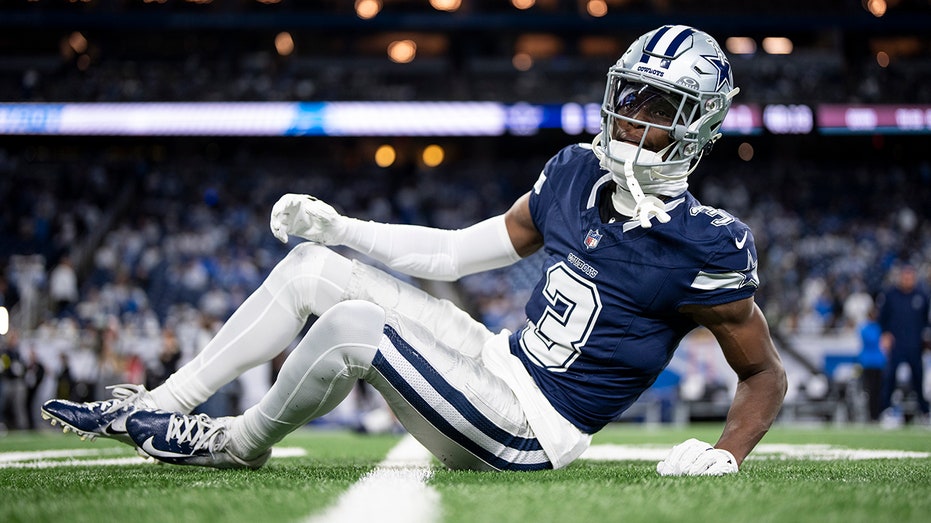
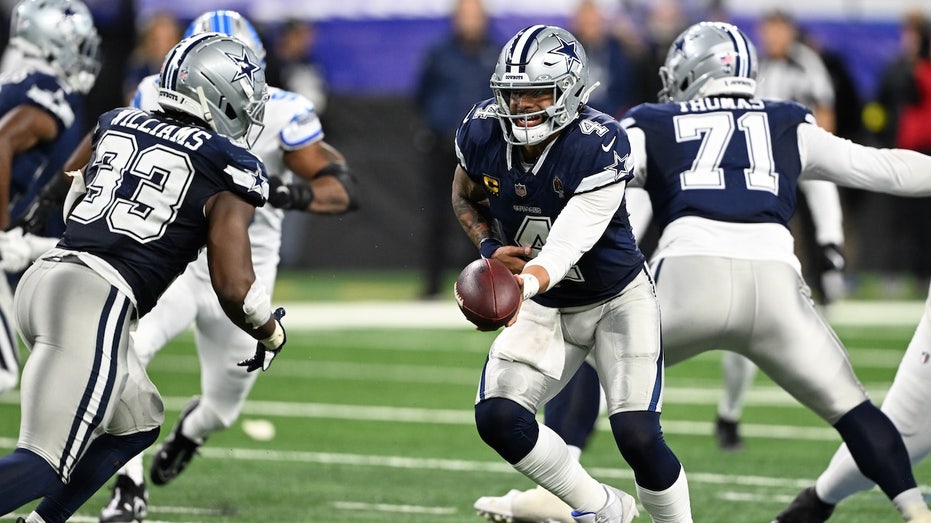
The Dallas Cowboys’ 44-30 loss to the Detroit Lions on Thursday Night Football isn’t just another defeat—it sharply highlights the precarious position of a flagship NFL franchise caught in a cyclical struggle to translate talent into sustained postseason success. This game, laden with late-stage errors and controversial officiating, underscores deeper organizational and competitive challenges that threaten to compound the Cowboys’ 30-year quest for a Super Bowl title.
The Bigger Picture: Historical and Organizational Context
Dallas entered the game with a 6-5 record, having mounted a promising three-game winning streak to claw back into the playoff conversation. However, this loss dropped them to 6-6 and a distant 10th seed in the NFC, a significant setback given the crowded nature of the wild card race. The Lions, who improved to 8-5, demonstrated their resurgence, positioning themselves as an emerging power on the NFC stage and a key hurdle the Cowboys must overcome.
The Cowboys’ playoff drought stretches back three decades, a stark anomaly for a franchise with five Super Bowl titles and a reputation for excellence. This protracted absence from the NFL’s championship spotlight underscores structural questions about management, roster construction, coaching strategy, and player development. Historically, teams with the Cowboys’ talent level have not had to endure such lengthy post-season absences, suggesting systemic difficulties rather than mere bad luck.
What This Really Means: Lessons from the Loss and Broader Implications
Thursday’s game was emblematic of Dallas’ recent vulnerabilities: costly turnovers, inconsistent defense, and controversial officiating decisions. Quarterback Dak Prescott, once an MVP frontrunner, threw two interceptions, some of which directly led to Detroit touchdowns. His current tally of eight interceptions, coupled with a high yardage total, paints a picture of a highly capable but error-prone passer, struggling under pressure in critical moments.
Offensive struggles in the red zone, highlighted by a pivotal offensive pass interference call on tight end Jake Ferguson (widely disputed on social media and by observers), speak to a lack of composure and readiness to seize crucial moments. Such penalty calls, whether justified or not, affect momentum and reveal how marginal decisions can cascade into lost opportunities, especially for teams fighting for survival in tight playoff races.
Detroit’s running backs, Jahmyr Gibbs and David Montgomery, capitalized in the red zone with four touchdowns, showing the importance of a balanced and effective ground game. Jared Goff’s efficient 309-yard passing attack complemented this, contrasting sharply with Dallas’ turnovers and missed chances.
Notably, the Cowboys’ 8% estimated playoff chance post-game reflects a near-alarmingly low margin for error. Without a significant turnaround, the current trajectory points to continued postseason absence, perpetuating a historical pattern at odds with the franchise’s cultural expectations and fanbase hopes.
Expert Perspectives
Former NFL coach and analyst Tony Dungy has emphasized that "turnovers and mental mistakes are the Achilles’ heel for any championship-caliber team. Dallas shows flashes of brilliance but cannot afford these costly errors during the final stretch." Meanwhile, veteran sports psychologist Dr. Karen Cogan points to the pressure-cooker environment in Dallas: "When a franchise carries the weight of three decades without a title, players and coaches often play through an invisible layer of anxiety, which can manifest in late-game mistakes and penalty trouble." Such psychological factors highlight the importance of leadership and mental resiliency under pressure.
Data & Evidence
Dallas has committed 20 turnovers through 12 games this season, a number above the league average. Teams with turnover differentials worse than -5 have less than an 18% chance of making deep playoff runs, according to NFL statistical models.
Historically, no NFL MVP has ever won the award without leading their team to the playoffs, putting Prescott’s individual aspirations on shaky ground.
Moreover, the NFC playoff picture is tightly contested: the Lions at 8-5 and the 49ers at 8-3-1 reflect fierce competition, with the Cowboys now a full two and a half games behind the 49ers for the last playoff seed, emphasizing the uphill battle ahead.
Looking Ahead: What to Watch For
For Dallas, every remaining game is effectively a must-win, raising questions about in-game decision-making, coaching adjustments, and player execution, especially under pressure. Monitoring Prescott’s turnover rate and his ability to manage games without forcing risky throws will be critical.
On the organizational level, this season may serve as a litmus test for front-office strategy—whether to double down on the current roster or pivot toward rebuilding. The impact of officiating controversies also prompts discussion on the need for clearer rules and consistency, which could influence outcomes in high-stakes situations.
Finally, the psychological toll of the ongoing Super Bowl drought on the team’s culture and fan engagement remains to be seen. A failure to reach the postseason again could intensify pressure on ownership and coaching staff, potentially triggering significant changes in the offseason.
The Bottom Line
The Cowboys’ loss to the Lions reveals more than just a single-game disappointment; it exposes chronic vulnerabilities in execution, decision-making, and mental composure. As Dallas grapples with a tough playoff outlook, this moment encapsulates a franchise at crossroads, balancing the weight of historic expectations with the immediacy of current challenges. How they respond in the coming weeks will have profound implications—not only for this season—but for the trajectory of one of the NFL’s most storied teams.
Topics
Editor's Comments
This game exemplifies how fragile the Cowboys’ playoff hopes truly are—each misstep magnified by the weight of longstanding expectations. Beyond the surface-level score, the loss encapsulates a deeper organizational inertia that must be addressed through strategic clarity and psychological resilience. This isn’t just about one season’s record; it’s about a franchise at a pivotal juncture seeking to break a decades-long cycle of underperformance despite abundant talent. The refereeing controversies—while debated—should not distract from the underlying issues: turnovers, penalties, and mental errors that fundamentally cost Dallas. The upcoming weeks will be critical not just for playoff qualification but for defining the direction the Cowboys take moving forward.
Like this article? Share it with your friends!
If you find this article interesting, feel free to share it with your friends!
Thank you for your support! Sharing is the greatest encouragement for us.