Elden Campbell’s Tragic Death: What His Passing Reveals About Athlete Health and Life Beyond the NBA

Sarah Johnson
December 5, 2025
Brief
An in-depth analysis of Elden Campbell’s sudden passing reveals critical insights into athlete health after sports, post-retirement challenges, and the broader implications for safety and well-being in recreational activities.
Remembering Elden Campbell: Tragedy Amid a Life of Sporting Excellence and Community Impact
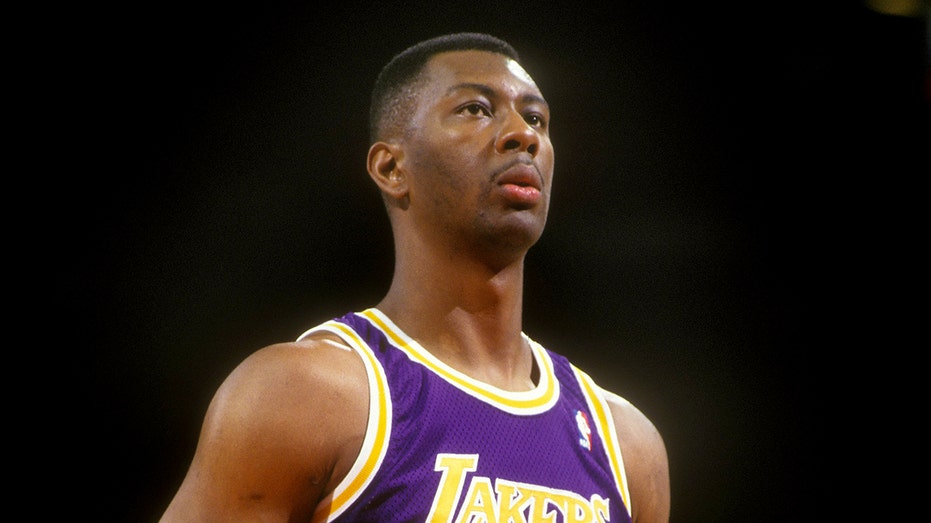
The sudden, accidental drowning of Elden Campbell, a revered NBA champion and Clemson basketball legend, at just 57 years old not only marks the loss of a sports icon but opens a broader conversation about athlete health, post-career life, and the hidden vulnerabilities behind celebrated public figures.
The Bigger Picture: From Collegiate Star to NBA Champion
Elden Campbell’s career spanned nearly two decades, beginning with standout performances at Clemson University where he was instrumental to the Tigers’ 1989-90 ACC regular season championship—still a historic achievement for the program. Selected in the first round by the Los Angeles Lakers in 1990, Campbell’s professional career included 15 NBA seasons highlighted by a championship with the Detroit Pistons, underscoring a longevity and adaptability rare in professional sports.
Importantly, Campbell’s journey reflects broader trends in athlete development and mobility during the 1990s and early 2000s. His career traversed the shift from ‘90s physicality and inside-out play to the evolving pace and style of early 21st-century basketball.
What This Really Means: Athlete Health and Life Beyond the Court
The circumstances surrounding Campbell’s death—an unexpected medical emergency leading to drowning while fishing—draw attention to the continuing need for awareness around athlete health post-retirement. Former professional athletes face unique health challenges, including cardiac, neurological, and musculoskeletal issues, often under-discussed publicly.
While Campbell’s sister emphasized he was not ill at the time, his passing during a solitary activity that—like so many retired athletes—he clearly cherished, raises important considerations about medical monitoring and emergency preparedness for former athletes engaging in physically demanding hobbies.
Expert Perspectives
Dr. Michael G. Thompson, a sports medicine specialist with over 20 years’ experience supporting athletes, notes: "The risk of sudden medical events persists well beyond an athlete’s competitive years. Cardiovascular screenings and routine evaluations can be lifesaving but are inconsistently applied once athletes retire."
Meanwhile, Dr. Susan Lee, a sociologist studying athlete transitions, highlights the psychological and social importance of leisure activities for retired professionals: "Fishing, like other hobbies, often symbolizes freedom and peace for athletes who faced intense career pressures. Campbell’s love of fishing reflects many retirees’ search for identity and balance post-sport."
Data & Evidence: Trends in Athlete Mortality and Post-Retirement Health
Research indicates that former NBA players may experience elevated risks for certain cardiovascular events compared to the general population, partially attributable to intense physical strain and lifestyle transitions after retirement. A 2022 study from the Journal of Sports Health reported that while longevity has improved for NBA veterans since the 1980s, the risk of sudden cardiac death remains a concern for aging former athletes.
Furthermore, drowning remains a leading cause of accidental death in the U.S., especially among middle-aged men engaging in recreational water activities. Combining these risks underscores the fragility that can be masked behind elite athleticism.
Looking Ahead: Preparing for the Unseen Risks Retired Athletes Face
Campbell’s untimely death spotlights the urgent need for comprehensive health programs targeting retired athletes, encompassing regular medical screening, cardiovascular risk management, and accessible emergency interventions during recreational activities. Organizations like the NBA and former players’ associations have begun initiatives, but gaps remain.
Moreover, his case could catalyze increased advocacy for safety awareness in recreational fishing and boating, particularly for those with known or unknown medical vulnerabilities.
The Bottom Line
Elden Campbell’s death is a profound loss to the basketball community and his family. Beyond mourning, it serves as a call to deepen understanding of the complex health landscape athletes face after their careers and the importance of supporting their holistic well-being. His legacy transcends championships—rooted in family, faith, and community—and reminds us that even extraordinary lives are vulnerable in ordinary moments.
Topics
Editor's Comments
Elden Campbell’s passing is a potent reminder that athletic prowess does not make one invincible. The tragedy invites us to consider how sports institutions and society can better support athletes not just during their high-profile careers but as they navigate life’s quieter moments that still demand vigilance and care. Often, the narrative around athlete health is confined to injury prevention during peak performance, yet the post-career phase is equally critical. How well we integrate ongoing health programs, mental wellness support, and safety education into retirees’ lives could define the next evolution in sports medicine and athlete advocacy.
Like this article? Share it with your friends!
If you find this article interesting, feel free to share it with your friends!
Thank you for your support! Sharing is the greatest encouragement for us.