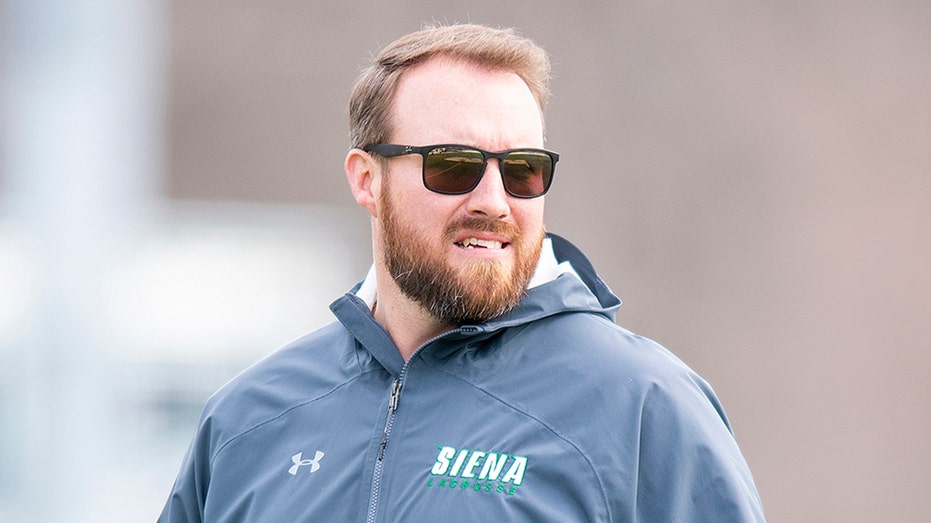
Beyond the Sidelines: Analyzing the Legacy and Lessons of Coach Liam Gleason’s Tragic Passing

Sarah Johnson
December 5, 2025
Brief
An in-depth analysis of Liam Gleason’s tragic death reveals critical insights into brain injury risks, collegiate sports leadership, and community support systems for families facing sudden loss.
Why the Loss of Coach Liam Gleason Resonates Beyond Lacrosse
The sudden death of Liam Gleason, head men’s lacrosse coach at Siena University, at just 41 years old following a tragic fall at his home, marks not only a painful loss for his family and community but also underscores broader concerns around traumatic brain injuries and the fragility of life even among young, vibrant leaders. While the immediate news centers on a deeply mournful circumstance, a comprehensive look reveals how Gleason’s career and passing reflect ongoing societal issues in sports safety, community leadership, and mental health support for families facing sudden tragedy.
The Bigger Picture: A Rising Star in Collegiate Lacrosse
Liam Gleason’s trajectory typifies the motto of turning local roots into national impact. A native of New York who played collegiately at the University of Albany, Gleason returned to his home state to lead the Siena Saints for seven seasons, turning them from relative obscurity to MAAC champions and NCAA tournament contenders. His leadership brought Siena lacrosse to its first national ranking in over a decade, earning him Coach of the Year honors from both the MAAC and the Eastern College Athletic Conference.
This rise illustrates key trends in collegiate sports outside of major revenue sports like football and basketball: dedicated coaches shaping smaller programs into competitive, nationally recognized teams. These programs often foster intense community spirit and close-knit environments, heightening the social impact of coaches like Gleason.
Beyond the Sidelines: The Human Cost of Tragic Accidents
Gleason’s death due to a traumatic brain injury (TBI) from a fall draws attention to an underestimated public health challenge. While TBI is often discussed in relation to contact sports like football or military combat, accidental falls remain a leading cause of serious brain injury in adults under 65, according to the CDC. The injury mechanisms and lack of immediate effective treatment options highlight gaps in prevention and acute care access.
Furthermore, the emotional and financial aftermath for families thrust into sudden loss is stark. The GoFundMe campaign started by Gleason’s family reveals the economic vulnerabilities even for those with stable careers, emphasizing the need for better systemic support for families in crisis.
Expert Perspectives: Insights from Sports Medicine and Community Leadership
Dr. Alice Wong, Neurologist specializing in brain trauma: "Liam Gleason’s passing highlights the stealth danger of head injuries outside of competitive sports. Falls at home can cause devastating outcomes, yet public awareness remains low. This incident should prompt broader conversations about fall prevention and rapid intervention protocols."
Coach Mike Delaney, Veteran NCAA Lacrosse Coach: "Liam was more than a coach—he was a mentor and pillar for his players and community. Losing him reminds us how deeply coaches shape not just athletic programs but the lives and character of young adults."
Data & Evidence: The Statistics Behind the Tragedy
- According to the CDC, approximately 2.8 million TBI-related emergency visits, hospitalizations, and deaths occur annually in the U.S.
- Falls contribute nearly 48% of all TBI cases, with about 81,000 hospitalizations annually.
- Siena’s lacrosse team improved from unranked status to an 11-5 record and first national ranking in 14 years under Gleason’s leadership.
Looking Ahead: Implications for Sports Culture and Community Support
In the wake of this tragedy, several important areas warrant attention:
- Athletic Health and Safety Protocols: Expanding education on TBI risks beyond the playing field, including in daily life environments.
- Coaching Legacy and Succession: Siena’s program faces the challenge of sustaining momentum without Gleason’s guiding influence, raising questions about leadership development and the institutionalization of community values.
- Support Systems for Families: Enhanced financial and emotional resources for families experiencing sudden traumatic loss should be prioritized by universities and athletic organizations alike.
The Bottom Line
Liam Gleason’s passing is more than the loss of a promising coach; it is a poignant reminder of the intersecting vulnerabilities in human health, sports culture, and community resilience. His life’s work elevated a lacrosse program and inspired a tight-knit community. His death calls for renewed attention to brain injury awareness, improved safety measures, and robust support for families facing unforeseen hardships. Beyond mourning, this moment challenges collegiate sports and society to honor Gleason’s legacy through action that safeguards and uplifts those who carry forward his spirit.
Topics
Editor's Comments
Coach Liam Gleason’s passing is a sobering reminder that even individuals at the height of their vitality and influence are vulnerable to unforeseen health crises. While much of public discourse around brain injuries focuses on athletes, this tragedy exposes the broader spectrum of risk that often goes unnoticed, particularly in domestic settings. It also illustrates the profound ripple effect a coach can have—not just in competitive success but as a community pillar and familial anchor. How Siena navigates moving forward will reveal much about the resilience of smaller athletic programs and the obligations institutions owe to those who dedicate their lives to mentoring youth. Additionally, this case should prompt a renewed focus on preventive health education, highlighting that brain safety is a universal issue, not confined to arenas or fields. Finally, Gleason’s family’s need for support emphasizes the importance of expanding safety nets for families hit by sudden tragedies, moving the conversation beyond sympathy to tangible change.
Like this article? Share it with your friends!
If you find this article interesting, feel free to share it with your friends!
Thank you for your support! Sharing is the greatest encouragement for us.