Elden Campbell: Exploring the Legacy of an NBA Role Player and Champion

Sarah Johnson
December 4, 2025
Brief
A deep dive into Elden Campbell’s career reveals his vital role in basketball history, highlighting his adaptability, team impact, and broader implications for athlete health and legacy.
Why Elden Campbell’s Passing Resonates Beyond the Basketball Court
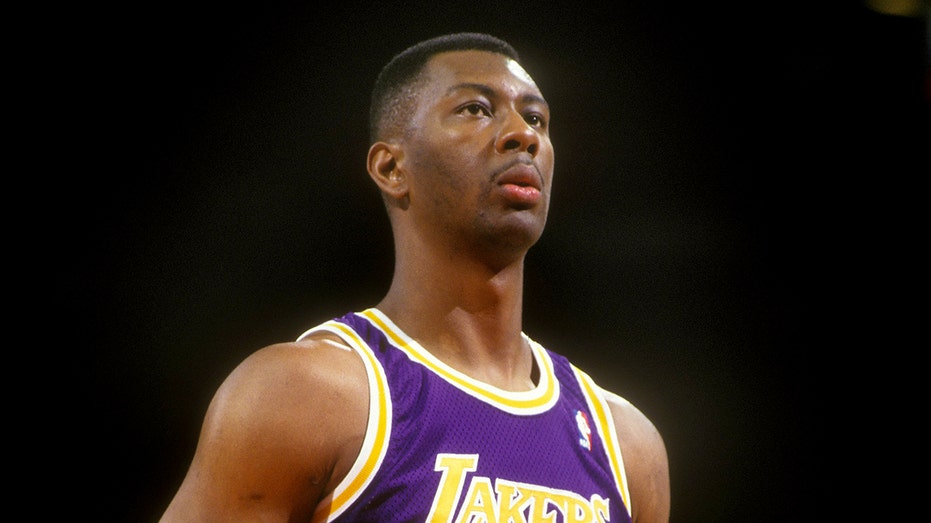
The sudden death of Elden Campbell at the age of 57 marks the loss of not just an accomplished professional athlete but a significant figure in the evolution of American basketball during the 1990s and early 2000s. Campbell’s career, spanning 15 NBA seasons and highlighted by an NBA championship, reflects both the gritty, team-first ethos of his era’s basketball and the complex journey of a player navigating multiple franchises in a changing league. His passing invites us to reflect on the broader narratives of athletic legacy, athlete health, and the often overlooked roles that impactful role players like Campbell have in shaping championship teams.
The Bigger Picture: Campbell’s Place in Basketball History
Drafted in 1990 out of Clemson University, Campbell was a rare figure who emerged as the all-time leading scorer and winningest player in Clemson’s history, underscoring his collegiate dominance in an Atlantic Coast Conference (ACC) often overshadowed by contemporary basketball powerhouses such as Duke and North Carolina. His college success foreshadowed a professional career that was emblematic of a shift in the NBA during the ’90s and early 2000s — from the superstar-centric narratives to the appreciation of role players who contributed in measurable ways.
Campbell’s time with the Los Angeles Lakers coincided with a transitional phase for the franchise. Before the Shaquille O’Neal-Kobe Bryant dynasty took hold, Campbell was one of the reliable big men maintaining competitiveness. His nickname, “Easy E,” spoke not only to his calm demeanor but also to a playing style that was efficient and unflashy—a foil to the more flamboyant stars of the league.
His later move to the Detroit Pistons, where he won his NBA championship in the 2003-04 season, positioned him within a team known for its defensive tenacity and collective effort. Though his role was limited in that finals run, his presence added depth and veteran savvy—qualities essential to any championship team.
What This Really Means: Beyond the Box Score
Campbell’s career averages—approximately 10 points and 6 rebounds per game over more than 1,000 games—may not leap off the pages compared to superstars, but these metrics understate his true impact. Players like Campbell represent the backbone of successful franchises, often absorbing the brunt of physical matchups against dominant post players and providing stability through their experience. His journey across six teams also highlights the NBA’s increasingly dynamic and business-driven player movement landscape, decades before today’s free agency trends exploded.
Moreover, his presence as a product of Clemson basketball matters. Clemson’s basketball program historically took a backseat to its football powerhouse, so Campbell’s achievements carried symbolic weight, showing how athletes from less-heralded basketball schools could influence the NBA meaningfully. This is particularly relevant as programs outside of traditional basketball powerhouses continue to produce NBA-caliber talent.
The grief expressed by former teammates Cedric Ceballos and Byron Scott sheds light on Campbell’s personality off the court. Their reflections emphasize character traits—calmness, reliability, and camaraderie—that fans and analysts often overlook when assessing an athlete’s legacy but which deeply affect team chemistry and culture.
Expert Perspectives
Dr. Janelle Simmons, a sports psychologist, notes, "Athletes like Elden Campbell, who maintain composure and perform steady roles, often serve as emotional anchors for teams. Their psychological impact is just as vital as their physical contributions, fostering resilience and collective trust during high-pressure moments."
NBA historian and author Michael Ricciardelli adds, "Campbell’s career coincided with a crucial era in the NBA — as the league expanded its commercial reach and strategic complexity, role players had to adapt to rapidly changing styles and expectations. Elden’s ability to stay relevant on six different teams speaks volumes about his professionalism and adaptability."
Data & Evidence
- Campbell ranks as Clemson’s all-time leading scorer and has the most wins in program history (84 victories), indicating sustained excellence at the collegiate level.
- NBA statistics show Campbell had a 15-year career, playing 1,044 games with averages of 10.3 points and 5.9 rebounds per game, signaling durability and consistent output.
- He won an NBA title with the Detroit Pistons in 2004, a team known for its balanced roster and defensive prowess, illustrating how non-superstar players contribute crucially to championship success.
Looking Ahead: The Legacy and Broader Implications
Campbell’s passing at 57 naturally raises questions about athlete health, longevity, and post-career care in professional sports. The NBA and broader athletic community have increasingly spotlighted the long-term health risks faced by former players, including physical injuries and mental health challenges. While the cause of Campbell’s death is not known, his relatively young age underscores the urgency for leagues and organizations to bolster support systems.
Additionally, reflecting on Campbell’s career allows for a reassessment of how we value “role players.” Shifts in analytics and team-building philosophies continue to elevate the understanding that championship teams rely on cohesive units rather than just superstar talent. Future research and storytelling around the NBA’s history could benefit from deeper spotlighting of athletes like Campbell who quietly shaped team dynamics.
The Bottom Line
Elden Campbell’s life and career encapsulate the journey of a consummate professional athlete who balanced individual success with team-oriented contributions. His death prompts us to look beyond headline stars and appreciate the complex roles played by steady, dependable figures in elite sports. As we honor his legacy, there is also an opportunity to advance conversations about athlete health, the evolving value of role players, and the diverse narratives that compose basketball’s rich tapestry.
Topics
Editor's Comments
While superstars dominate headlines, Elden Campbell’s career is a testament to the indispensable roles played by steady, team-first athletes in professional sports. His legacy challenges us to look beyond scoring averages and highlight the nuanced ways players contribute to championship success. Moreover, Campbell’s relatively early passing draws attention to ongoing concerns about the physical and mental toll of prolonged sports careers. As the NBA and other leagues seek to improve player welfare, remembering figures like Campbell reminds us that every athlete, regardless of stardom, carries a story worth understanding and honoring.
Like this article? Share it with your friends!
If you find this article interesting, feel free to share it with your friends!
Thank you for your support! Sharing is the greatest encouragement for us.