Roy Kramer’s Enduring Legacy: How He Transformed College Football’s Playoff and Economic Landscape

Sarah Johnson
December 6, 2025
Brief
An in-depth analysis of Roy Kramer's transformative impact on college football's structure, economics, and playoff evolution, tracing the origins of today's SEC dominance and postseason controversies.
Why Roy Kramer's Legacy Transcends College Football's Surface
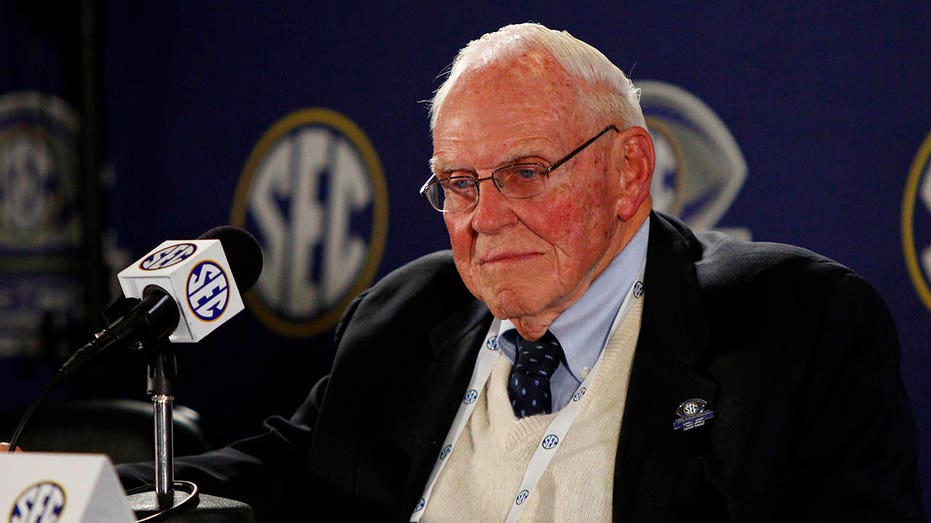
Roy Kramer's death at age 96 marks the passing of a transformative figure whose vision helped redefine not only the Southeastern Conference (SEC) but the entire landscape of college football and college athletics. His pioneering efforts in reshaping the sport’s organizational and economic structures created a ripple effect, laying groundwork for the multi-billion-dollar enterprise college football has become today.
The Bigger Picture: From Tradition to Transformation
Before Kramer arrived as SEC commissioner in 1990, college football and its governing bodies functioned with relatively limited centralized control over championship determinations and media rights. The sport’s champion was traditionally crowned through polls conducted by media and coaches, a system deeply rooted in regional loyalties and subjective ranking. Meanwhile, college conferences operated somewhat independently, with less emphasis on national branding and broadcast revenues.
Kramer’s tenure initiated a paradigm shift. By bringing Arkansas and South Carolina into the SEC, he not only expanded the conference geographically but also strategically positioned it for greater market penetration. His introduction of the SEC title game in 1992 created a new marquee event that maximized television ratings and sponsorship dollars. This single innovation turned the SEC into the wealthiest and most influential conference in collegiate sports — distributing $95.7 million among member schools by 2002, up from $16.3 million in 1990. That figure ballooned to over $800 million by the 2023-24 fiscal year, demonstrating how Kramer’s foundational work catalyzed exponential revenue growth.
What This Really Means: Reshaping the Competitive and Economic Landscape
Kramer's role in developing and championing the Bowl Championship Series (BCS) was arguably his most consequential legacy. The BCS centralized the championship decision process, replacing the contested and opaque polling system with a formula-based, media-driven model to select the top teams for postseason play. Although controversy and criticism accompanied the BCS throughout its existence, Kramer perceived the debate it sparked as a sign of rising national interest and television viewership.
Beyond just determining a champion, the BCS fundamentally altered college football’s economics and media landscape. It intensified competition between conferences for access to lucrative BCS bowl games, increasing exposure and financial gain. This change, in turn, contributed to the arms race of facilities, coaching salaries, and recruitment expenditures that characterize modern college football.
Moreover, Kramer’s vision presaged the current College Football Playoff (CFP) system, which expanded first to four teams in 2014 and began growing to 12 teams in the 2023 season. This expansion reflects not only increased demand from fans but also the escalating commercial stakes Kramer helped cultivate.
Expert Perspectives
Greg Sankey, current SEC commissioner, highlighted Kramer's dual commitment to innovation and upholding the educational mission of student-athletes, underscoring nuances often overlooked in debates about college sports modernization: “Roy Kramer will be remembered for his resolve through challenging times, his willingness to innovate in an industry driven by tradition, and his unwavering belief in the value of student-athletes and education.”
Sports economist Dr. Allen Sack notes, “Kramer catalyzed the transformation of college football from a regional pastime to a national entertainment juggernaut. His pragmatic approach to media rights and championship organization reshaped revenue flows and competitive balance in ways still unfolding today.”
Data & Evidence: Financial and Structural Growth Under Kramer
- The SEC’s revenue distribution rose nearly sixfold from $16.3 million in 1990 to $95.7 million in 2002.
- By 2023-24, the conference’s payouts to schools surpassed $800 million, showing sustained exponential growth.
- The SEC expanded from 10 to 12 teams under Kramer, foreshadowing further consolidations that have since encompassed other conferences, contributing to today's expansive, complex collegiate sports landscape.
Looking Ahead: Kramer's Blueprint and the Future of College Athletics
Kramer’s model of conference expansion, event creation, and media negotiation set a template now being emulated and challenged as collegiate athletics confront new issues—name, image and likeness (NIL) rights, athlete compensation debates, and digital streaming disruptions. The increasing playoff expansion mirrors ongoing efforts to balance competitive fairness with commercial optimization.
As the CFP moves toward even larger tournament structures, questions arise about long-term impacts on student-athlete welfare, academic priorities, and competitive integrity. Kramer's tenure serves as a reminder of the delicate balance administrators must strike between tradition and innovation, commercial interests, and educational values.
The Bottom Line
Roy Kramer’s death offers a moment to reflect on the architect behind college football’s modern economic and organizational architecture. His visionary leadership forged structures that not only enriched member institutions but elevated college football into a national spectacle with vast cultural and financial influence. Yet, the very innovations he championed also sparked controversies and challenges that persist, highlighting the complex legacy of progress and contention in American college sports.
Topics
Editor's Comments
Roy Kramer’s tenure as SEC commissioner represents a pivotal moment in college sports history where tradition met commercial opportunity. His leadership not only increased financial returns for member schools but also transformed college football into a national spectacle with deep cultural resonance. However, this growth brought challenges: the BCS controversies foreshadowed ongoing debates about fairness, athlete welfare, and the influence of big-money interests. As the College Football Playoff expands and NIL becomes entrenched, Kramer's legacy urges stakeholders to balance innovation with the core educational mission of collegiate athletics. Understanding his approach offers key lessons for navigating the complexities facing college sports today and in the future.
Like this article? Share it with your friends!
If you find this article interesting, feel free to share it with your friends!
Thank you for your support! Sharing is the greatest encouragement for us.