College Football Playoff Drama: How the Big Ten Title Shapes the National Championship Race

Sarah Johnson
December 3, 2025
Brief
A deep analysis of the College Football Playoff rankings reveals shifting power dynamics in the Big Ten and SEC, highlighting emerging contenders, structural challenges, and what’s next for college football’s postseason.
Opening Analysis
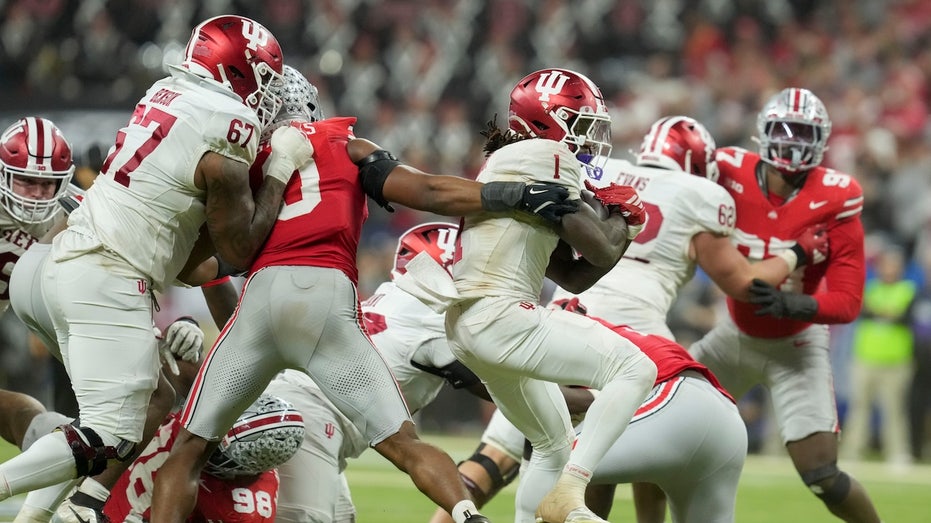
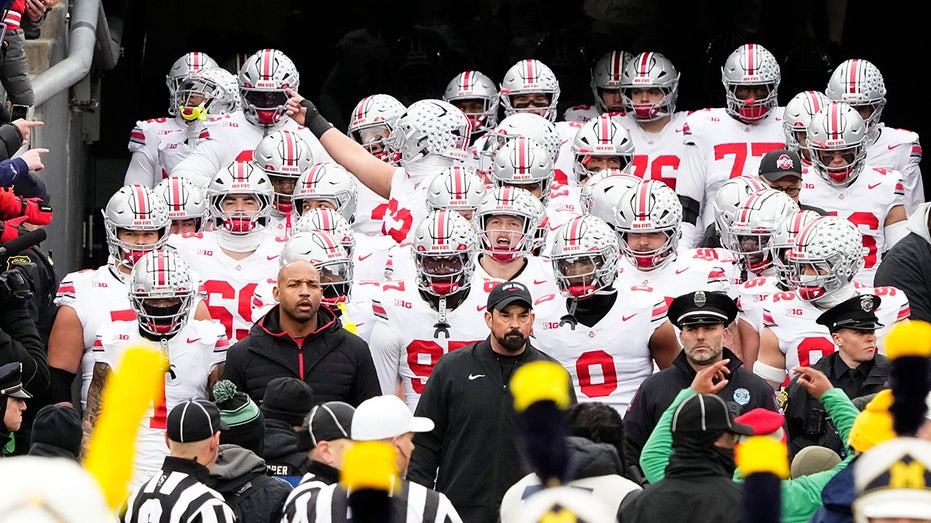
The latest College Football Playoff (CFP) rankings have intensified the drama as the No. 1 seed now hinges on an impending Big Ten title clash between Ohio State and Indiana. This weekend’s results highlight emerging power shifts within college football’s elite, notably within the SEC and Big Ten, setting the stage for a rollercoaster finish to the regular season. Beyond mere seed placement, these developments reveal deeper trends about conference power dynamics, playoff access, and the evolving nature of college football’s postseason landscape.
The Bigger Picture
Historically, the Big Ten and SEC have dominated the CFP narrative since the playoff’s inception in 2014. Ohio State’s return to the No. 1 spot after avenging past losses to Michigan reflects the enduring strength of traditional powerhouses with entrenched recruiting pipelines, elite coaching, and national visibility. Indiana’s rise to No. 2, however, signals a fascinating undercurrent — a Big Ten program outside the traditional juggernauts reaching unprecedented heights, fueled by robust offensive schemes and key talent development.
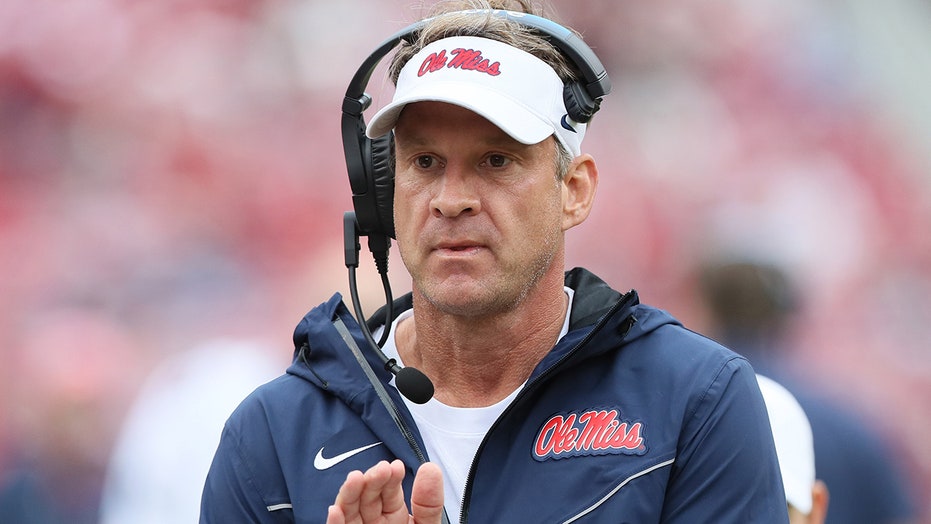
Meanwhile, the SEC landscape is in flux. Texas A&M’s fall from the title game spot following a loss to Texas underscores how even prominent programs face volatility driven by intra-conference rivalries and shifting coaching dynamics. Notably, Ole Miss’s upward climb in the rankings despite Lane Kiffin’s departure to LSU sheds light on the resilience and perhaps systemic strength of that program’s infrastructure beyond individual leadership.
What This Really Means
The outcome of the Big Ten championship is now pivotal not only for conference bragging rights but also national playoff positioning. The winner is virtually guaranteed the coveted one-seed, a potential game-changer in playoff matchups. This creates a renewed focus on the Big Ten's competitive depth and its capacity to produce national contenders amid increasing parity in college football.
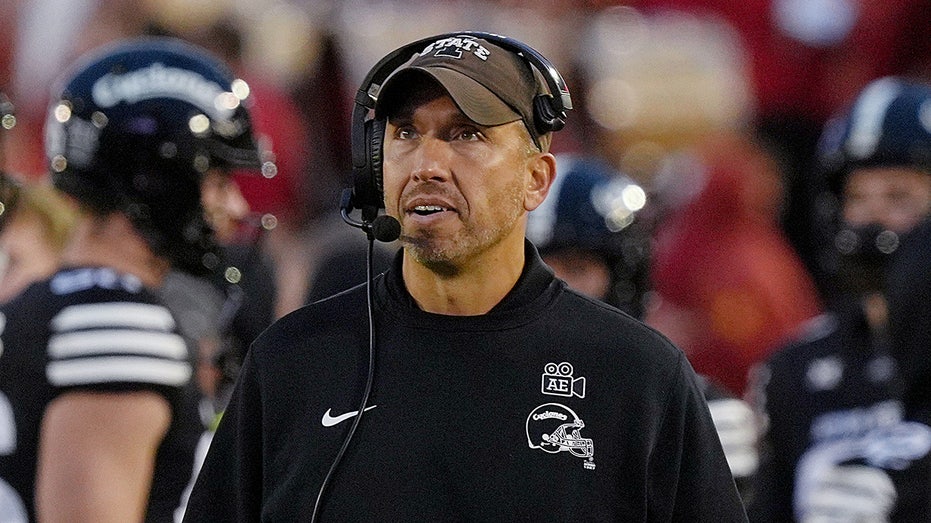
Texas and Texas Tech’s upward mobility, juxtaposed with Texas A&M’s decline, reflects the volatile nature of the Big 12 and the broader shifting tectonics in Power Five conferences. Steve Sarkisian’s efforts and Arch Manning’s emergence at Texas offer a compelling narrative around program rebuilding and recruiting impact — critical to returning Texas to CFP relevance after years of underperformance.
BYU’s current positioning outside the top 10, despite a strong season, spotlights the ongoing challenges for Group of Five and independent programs to break through CFP barriers, highlighting structural inequities that remain entrenched within college football’s postseason selection processes.
Expert Perspectives
Kirby Smart, Georgia Head Coach: "What we’re seeing is a test of consistency and depth. Programs that sustain excellence through turnover and injuries will emerge strongest in this playoff landscape."
Paul Finebaum, College Football Analyst: "Indiana’s rise is remarkable—a reminder that the Big Ten can produce surprise contenders, challenging the SEC’s recent dominance and adding new storylines for fans."
Sonia Owusu, Sports Economist: "The shifting rankings underscore the economic pressures on programs to invest in coaching, facilities, and recruiting to remain competitive. Playoff access often amplifies these financial disparities."
Data & Evidence
- Ohio State and Indiana both hold 12-0 records entering the Big Ten title game, a rarity given recent competitive balance in the conference, with the last undefeated Big Ten champion occurring in 2016.
- Texas A&M’s drop from the top 5 to 7th after losing to Texas represents a significant volatility in SEC standings; historically, the SEC has seen few mid-season collapses with such immediate playoff impact.
- The Big Ten and SEC have produced 6 of the 10 past CFP champions, highlighting their dominant footprint in the current playoff era.
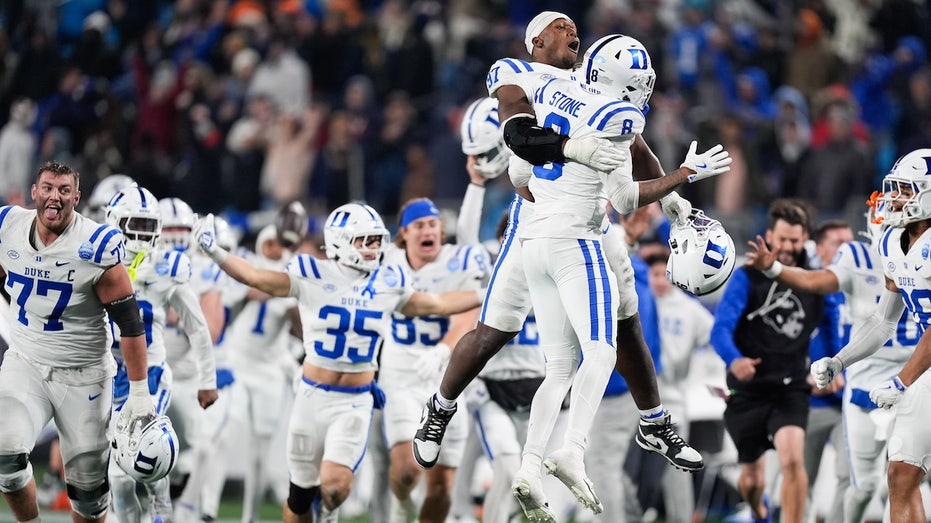
- BYU, ranked 11th and outside the playoff cut, continues a pattern where independent or Group of Five teams rarely break into the final four, reflecting structural selection biases.
Looking Ahead
The looming Big Ten championship will likely decide the top seed and shape semifinal matchups, influencing strategic positioning for programs that have built depth throughout the season. A victory for Indiana could refresh perceptions of Big Ten competitiveness, potentially shifting recruiting attention and media coverage in future cycles.
Texas and Texas Tech’s trajectories, if maintained, may signal a resurgence for programs historically overshadowed by SEC heavyweights. Moreover, Ole Miss’s resilience post-Kiffin could reshape coaching narratives heading into the offseason.
ACC dynamics, especially Miami’s marginal playoff chances, may catalyze internal discussions on tiebreaker reforms and postseason access — surrogate for larger conversations about fairness and equity in college football’s postseason architecture.
The Bottom Line
The race for the College Football Playoff top seed now distills into a high-stakes Big Ten championship, underscoring both historic conference dominance and emerging challengers. The weekend’s upheavals reveal a landscape marked by volatility, strategic program investments, and the enduring challenge for non-Power Five teams to ascend. How these storylines develop in coming weeks will have lasting implications, not just for this season’s playoff, but for the evolving power balance within collegiate football.
Topics
Editor's Comments
This season’s playoff positioning underscores a growing phenomenon in college football — the rise of non-traditional contenders such as Indiana challenges longstanding hierarchies and forces us to reconsider what success looks like beyond the usual suspects. It also exposes the persistent inequities for emerging programs from outside Power Five conferences, raising questions about the fairness and inclusivity of the current playoff structure. Going forward, these trends might compel organizers to rethink criteria or expand playoff slots to accommodate a more diverse set of teams, which could reshape recruiting, viewership, and the overall competitive landscape.
Like this article? Share it with your friends!
If you find this article interesting, feel free to share it with your friends!
Thank you for your support! Sharing is the greatest encouragement for us.