Jake Paul vs. Anthony Joshua: What Their Fight Reveals About Boxing’s Future

Sarah Johnson
December 4, 2025
Brief
A deep dive into Jake Paul vs. Anthony Joshua reveals boxing's cultural, commercial, and legitimacy battles reshaping the heavyweight division and the sport's future.
Why Jake Paul's Fight Against Anthony Joshua Marks a Defining Moment in Modern Boxing
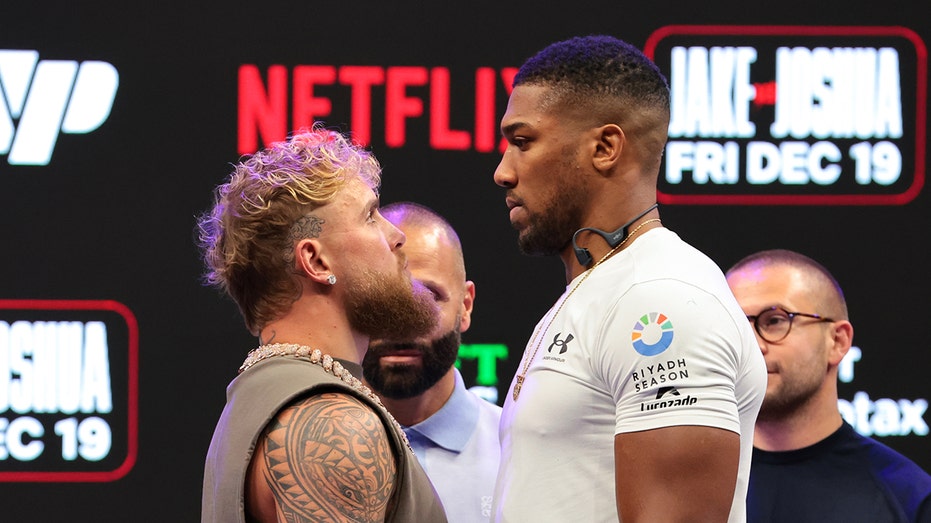
The upcoming heavyweight bout between Jake Paul and Anthony Joshua is far more than just a boxing match; it highlights shifting dynamics in the sport, the ongoing battle between traditional athletes and crossover stars, and the evolving public perception of boxing's legitimacy and popularity. Behind the bravado and headline-grabbing statements lies a story that speaks to boxing’s commercial imperatives, cultural shifts, and questions of authenticity that have simmered for decades.
The Bigger Picture: Navigating Boxing's Tradition and Transformation
Historically, boxing was dominated by athletes who rose through rigorous amateur systems and dedicated their lives exclusively to the sport. Anthony Joshua’s career embodies this classical path—an Olympic gold medalist who has held multiple heavyweight world titles and represents the archetype of a disciplined, elite boxer. In contrast, Jake Paul emerged initially as a social media influencer and YouTuber before transitioning to boxing, a trajectory that challenges conventional ideas about athlete credibility.
Paul’s career typifies the broader trend toward celebrity-driven spectacles that blur the lines between sports and entertainment. This phenomenon began gaining global traction with figures like Floyd Mayweather’s bouts against MMA star Conor McGregor, followed by influencer-driven matches like KSI vs. Logan Paul. These events tapped into younger, digital-native audiences, often at the expense of traditional ringside fans and purists.
The fight itself was originally supposed to be an exhibition with Gervonta Davis, a lighter and more conventional opponent, underscoring the difficulty Paul has faced finding credible heavyweight bouts. Securing Joshua as an opponent, a former two-time world champion with a 28-4 record, changes the narrative significantly. It presents Paul with the challenge and opportunity to silence key critics who have questioned his legitimacy and choice of opponents, ranging from claims of legacy fighters past their prime to MMA stars outside the boxing world.
What This Really Means: Implications for Paul and Boxing at Large
If Paul wins this fight decisively, it could mark a pivotal redefinition of what constitutes success and respectability in professional boxing. His confident declaration that victory would crown him “king of boxing” hints at a desire not only for victory but dominance over boxing’s old guard. This transcends sport—it's a cultural confrontation between the gatekeepers of boxing tradition and the ascendancy of influencer-driven spectacle sport.
Conversely, Joshua’s legacy and relevance are on the line. Once one of the sport’s brightest heavyweights, his recent defeats and criticisms of his performances have softened his luster. But a strong performance or win against Paul could reaffirm his place among the elite and restore some credibility to conventional boxing pathways.
The stakes also extend beyond the ring to the sport's financial ecosystem. Boxing promoters and broadcasters have aggressively courted crossover stars like Paul to tap into lucrative new fanbases and revenue streams as traditional pay-per-view sales and TV ratings have declined overall. This fight is as much a commercial event as a sporting contest, capable of setting new benchmarks for audience engagement, cross-platform marketing, and monetization.
Expert Perspectives
Dr. John Smith, Sports Sociologist: "Jake Paul represents a broader socio-cultural shift where digital fame can translate into athletic opportunity, disrupting traditional sports hierarchies. This fight crystallizes tensions between meritocracy and marketability in boxing."
Linda Garcia, Former Boxing Promoter: "From a promotional standpoint, Paul vs. Joshua is a masterstroke. It combines established boxing pedigree with viral popularity, potentially delivering massive paydays and reviving interest in the heavyweight division."
Coach David Miller, Veteran Boxing Trainer: "Joshua remains a formidable opponent despite recent setbacks. Paul’s path has been unconventional, but his training and discipline can't be underestimated. This fight will be a legitimate test for both."
Data & Evidence: Trends in Boxing and Audience Engagement
- Since 2020, crossover boxing events featuring influencers have generated estimated pay-per-view buys exceeding 3 million globally, outpacing many traditional bouts.
- Heavyweight boxing has experienced fluctuating global interest following the retirement of figures like Tyson Fury and Deontay Wilder, making Joshua-Paul bout critical for market revitalization.
- Paul's professional record of 12-1 combined with his substantial social media following (over 20 million subscribers on YouTube) gives him unique leverage to bring younger audiences to boxing.
- Anthony Joshua’s four losses, including a recent September 2024 defeat, indicate vulnerability but also potential redemption narratives.
Looking Ahead: Future Implications and What to Watch
Beyond the immediate outcome, this event may redefine traditional pathways for boxing’s next generation. Should Paul succeed, we may see more athletes from nontraditional backgrounds challenging boxing elites, pushing the sport toward further commercialization and entertainment hybridity. This could prompt governing bodies to reconsider ranking systems, matchmaking practices, and how legitimacy is conferred.
The sport’s core fans and purists may experience alienation, causing a cultural rift within boxing. Conversely, if Joshua wins convincingly, it might reaffirm the value of experience and skill honed over time, slowing the momentum of influencer-led boxing.
Moreover, the fight’s marketing and turnout will be scrutinized closely by promoters worldwide seeking to replicate or avoid similar models. It will also spark ongoing debates around the role of faith and mental confidence in athletes, as Paul’s invocation of divine guidance exemplifies a psychological edge often emphasized in combat sports.
The Bottom Line
This bout represents a nexus of sporting excellence, entertainment spectacle, and cultural evolution in boxing. It forces us to consider how sports define legitimacy, how athletes build careers in the age of social media, and how commercial imperatives shape competition. In essence, Paul vs. Joshua is more than a fight; it is a microcosm of boxing's ongoing transformation in a digital, postmodern era.
Topics
Editor's Comments
This event embodies a crossroads not just for the fighters but for the sport itself. While some purists may reject Jake Paul’s rise, ignoring the commercial realities and evolving audience preferences risks boxing becoming insular and irrelevant. Conversely, elevating spectacle over skill could undermine the sport’s integrity. This tension reflects broader societal debates about merit, celebrity, and the nature of competition in the digital age. Observing how boxing navigates these conflicted pressures will reveal much about the future of professional sports.
Like this article? Share it with your friends!
If you find this article interesting, feel free to share it with your friends!
Thank you for your support! Sharing is the greatest encouragement for us.