Darius Slay’s Career Crossroads: What His Hesitation Reveals About NFL Player Longevity and Team Strategy

Sarah Johnson
December 5, 2025
Brief
An in-depth analysis of Darius Slay's potential retirement decision revealing its impact on NFL team dynamics, player longevity trends, and evolving athlete health priorities.
Why Darius Slay’s Career Crossroads Matter Far Beyond One NFL Season
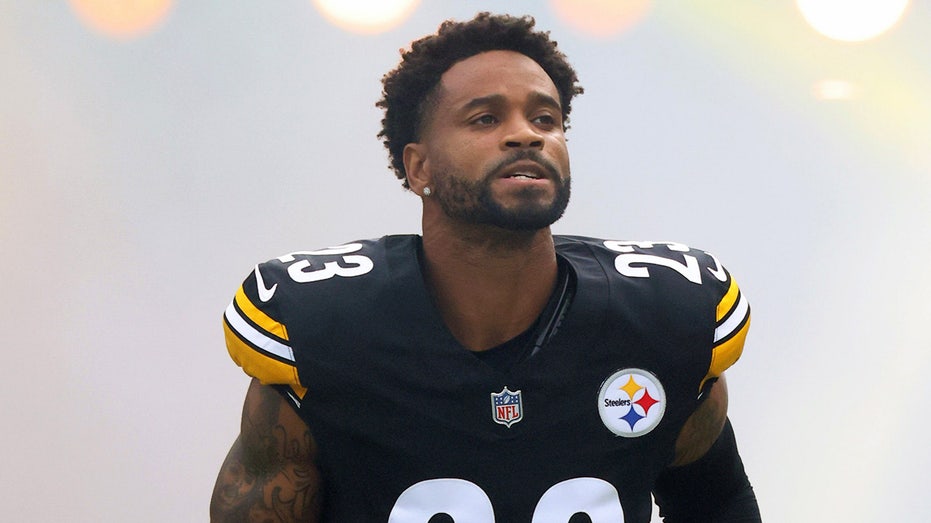
The recent news that 34-year-old cornerback Darius Slay, newly claimed off waivers by the Buffalo Bills, is hesitating to continue his NFL career offers more than just a roster update. It presents a window into the often under-explored realities of aging professional athletes navigating late-career transitions in one of the most physically demanding sports. Beyond individual considerations, Slay's situation illuminates broader trends in player longevity, team roster management, and the evolving economics of NFL defensive backfields.
The Bigger Picture: Historical Context on NFL Cornerbacks and Career Longevity
Darius Slay’s professional journey mirrors the archetypal arc of top-tier NFL cornerbacks who enter the league young but face an inflection point as they approach their mid-30s. Selected in the second round of the 2013 NFL Draft by the Detroit Lions, Slay quickly established himself as a premier cover corner — earning multiple Pro Bowl nods and an All-Pro title. Historically, cornerbacks, reliant on speed, agility, and reflexes, have notoriously short prime windows. The average NFL career length is approximately 3.3 years, but cornerbacks often see declines by their early 30s, making Slay's sustained performance into his mid-30s both commendable and increasingly rare.
Slay’s Super Bowl title with the Eagles in 2024 punctuates a career milestone few peers achieve, yet it came after a late-stage trade from Detroit and a season with the Steelers marked by middling production and eventual release. These moves reflect the NFL’s harsh economics and strategic pivoting as teams weigh veteran reliability against younger, cost-controlled talent. NFL teams routinely recalibrate secondary depth in response to injuries, strategic matchups, and salary cap realities.
What This Really Means: Implications of Slay's Career Decision
Slay’s pause in reporting to Buffalo transcends a mere holdout or contract dispute; it signals a deeper reckoning common to aging athletes confronting physical wear and diminishing roles. His decision to take time underscores the increasing emphasis athletes place on long-term health, mental well-being, and life after football. Retirement deliberations now routinely factor in issues such as chronic injury risk, especially concussions, and quality of life considerations that earlier generations often overlooked.
For the Bills, Slay’s uncertainty complicates roster strategy mid-playoffs, having already released Ja’Marcus Ingram to make room for him—the Texans quickly claimed Ingram. This domino effect in personnel highlights how veteran decisions reverberate within the league’s tightly managed resources and can alter team dynamics in crucial moments.
From a strategic perspective, the Bills had hoped Slay’s experience would solidify their secondary, complementing Tre’Davious White and emerging talents like Maxwell Hairston. Losing that option could leave Buffalo more vulnerable against elite passing attacks, especially deep in their playoff run. Conversely, Slay weighing retirement epitomizes the player empowerment movement seen across sports, where athletes increasingly control their career arcs rather than passively extending them for team needs.
Expert Perspectives
Dr. Michael Gervais, Sports Psychologist: “Decisions like Slay's illustrate a growing awareness among athletes of the psychological toll and identity shifts connected to the end of a playing career. Taking a deliberate pause suggests he’s prioritizing mental readiness over impulse.”
Bob McGinn, NFL Analyst: “Veteran corners hitting 34-35 often face a mix of declining physical attributes and changing team priorities. Slay's trajectory from star to potential role player is typical, but his proven skill set still commands attention.”
Kate Fagan, Sports Journalist: “Slay’s story is part of a larger conversation about player health and the evolving culture around retirement. It's not just about money or glory anymore; it’s a nuanced decision influenced by family, health, and purpose beyond the field.”
Data & Evidence
- Slay played 10 games for Pittsburgh in 2025, recording 36 tackles, 3 pass deflections, and a fumble recovery—a solid but not standout production relative to his peak years.
- The NFL average career length remains around 3.3 years, yet only about 10% of cornerbacks play beyond age 32, emphasizing the rarity of Slay’s extended career.
- Buffalo Bills currently rank in the top quartile for defensive pass efficiency in 2025, but injuries and depth remain a concern—a motivated reason for acquiring a veteran like Slay.
- Today’s NFL secondary salaries have grown sharply, with young corners commanding lucrative contracts, making roster decisions around veterans increasingly value-driven.
Looking Ahead: What to Watch
Slay’s next steps will be closely monitored across the league, potentially influencing other veteran players weighing similar decisions. If he retires, it may prompt teams to further accelerate youth movement, particularly in cost-sensitive market spots like cornerback.
The Buffalo Bills will have to adjust their secondary roster and defensive plans swiftly to adapt to his absence—a challenge given the timing during playoff preparations. Buffalo’s handling of this uncertainty could serve as a case study in managing veteran transitions midseason, a relatively under-discussed operational challenge.
More broadly, Slay’s case spotlights the NFL’s evolving approach to player longevity, health protocols, and how franchises balance veteran presence with team-building for the future.
The Bottom Line
Darius Slay’s hesitation to rejoin the Buffalo Bills may seem like just a player’s personal choice, but it resonates deeply with historic trends of NFL career arcs, player health priorities, and strategic roster management. His deliberation encapsulates growing athlete agency in retirement timing, a shift that poses both challenges and opportunities for NFL teams navigating the razor-thin margins between immediate competitive needs and sustainable roster construction.
Topics
Editor's Comments
Darius Slay’s contemplation about his future is more than just a personal crossroads; it exemplifies a growing paradigm shift in how NFL players approach the twilight of their careers. As physical demands intensify and health concerns gain prominence, the traditional narrative of playing until forced off the field is giving way to more autonomous, health-conscious decisions. This challenges teams to rethink veteran roles and succession planning midseason. It also raises important questions about support systems for players transitioning out of football—not just financially, but psychologically and socially. The NFL’s global popularity and economic stakes render these retirements matters worthy of close attention, revealing the human side behind the spectacle of professional sports.
Like this article? Share it with your friends!
If you find this article interesting, feel free to share it with your friends!
Thank you for your support! Sharing is the greatest encouragement for us.