Beyond the Pitch: How the 2026 World Cup Draw in Washington Redefines Sports Diplomacy

Sarah Johnson
December 6, 2025
Brief
A deep-dive analysis of the 2026 World Cup draw in Washington, D.C., revealing its geopolitical significance, FIFA’s strategic alliances, and the evolving role of mega-sports events in global diplomacy.
Why the 2026 World Cup Draw in Washington, D.C. Marks a New Era in Global Sports Diplomacy
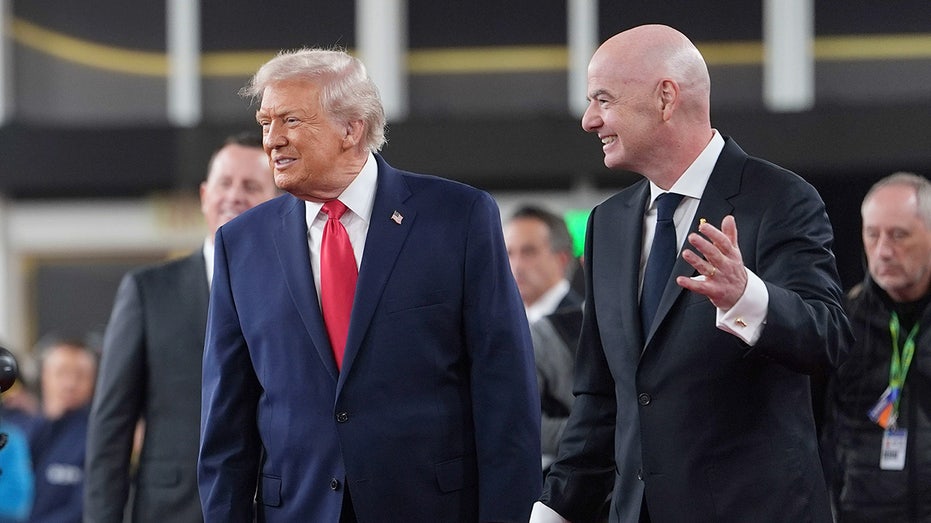
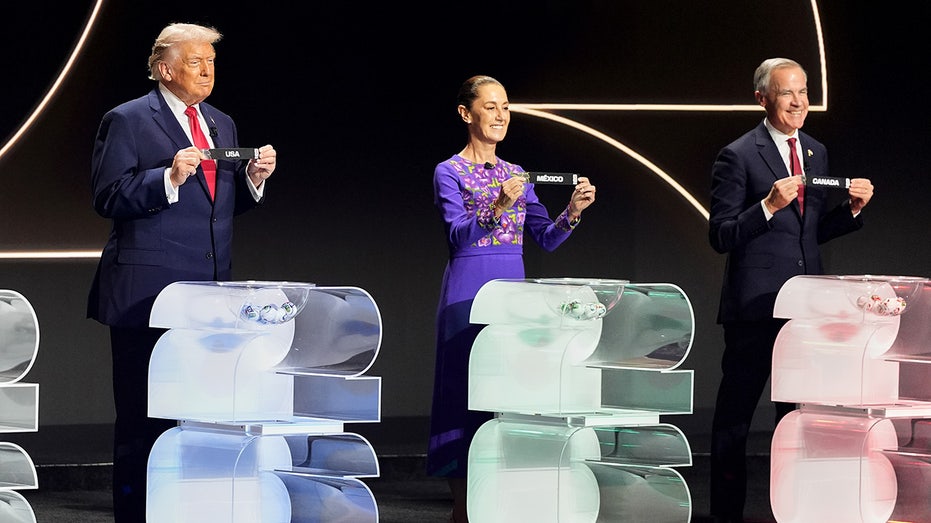
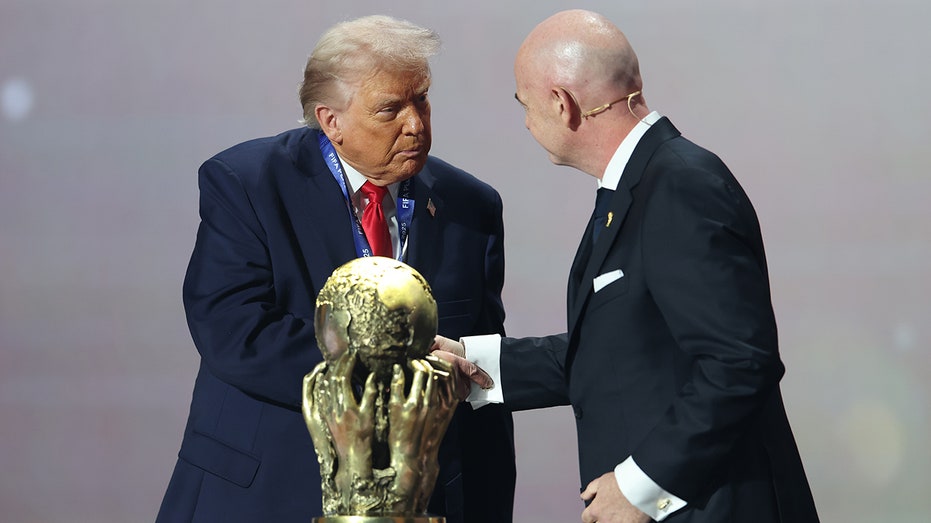
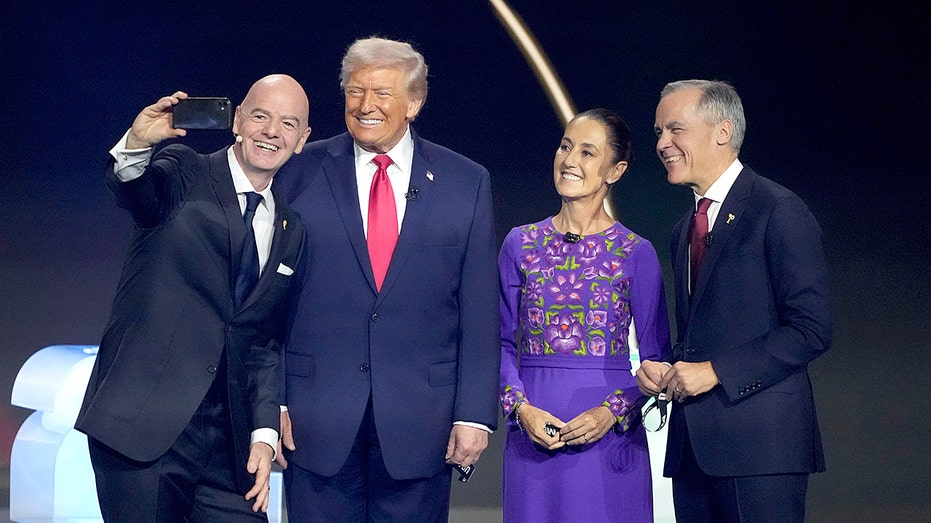
The recent World Cup draw event held at the Kennedy Center in Washington, D.C., was much more than a sports ceremony. It brought to the forefront the increasingly intertwined relationship between international soccer, geopolitics, and soft power. FIFA President Gianni Infantino’s prominent positioning alongside former U.S. President Donald Trump and leaders from Mexico and Canada—co-hosts of the upcoming tournament—signaled a deliberate and strategic use of the World Cup as a platform for political signaling and international cooperation.
Tracing the Evolution of World Cup Hosting Politics
The awarding of the 2026 FIFA World Cup to the United States, Mexico, and Canada marked the first time the tournament expanded to 48 teams and the first tri-nation hosting arrangement. Historically, the World Cup has been a catalyst for host nations to showcase national pride and global stature, as seen in the 1994 U.S. event that helped popularize soccer in America and the 2018 Russian World Cup, which was a vehicle for Russia’s geopolitical messaging.
This tripartite hosting also points to a broader trend: leveraging mega-sports events to promote regional integration and economic collaboration. The 2026 tournament serves as a demonstration project for North American unity, rebounding from decades of trade and diplomatic fluctuations. It diverges from the single-nation hosting model toward a shared responsibility that reflects economic interdependence and diplomatic coordination among neighbors.
Implications of FIFA’s Gesture Toward Donald Trump
FIFA’s presentation of the inaugural FIFA Peace Prize to Donald Trump adds a provocative layer to the narrative, given the controversy that often surrounds his political persona. While Infantino described Trump as a “close friend,” the award marks FIFA’s first attempt to link sports diplomacy with broader efforts in peacebuilding.
This move can be interpreted in multiple ways: as an effort to consolidate influential political support behind FIFA’s growing soft power initiatives, or as a signal that sports governing bodies are embedding themselves deeper into international political networks. It also reflects FIFA’s historical desire to project neutrality and unity despite criticism over its governance and past controversies.
Geopolitical Nuances in Host City Selection and Matchups
The tournament’s geographic layout is telling. Canada’s and Mexico’s opening matches in Toronto and Mexico City respectively place a spotlight on key urban centers symbolizing multiculturalism and economic hubs within each nation. The U.S.’s hosting of the later stages—including semifinals in Atlanta and Arlington and the final at MetLife Stadium near New York City—underscores America’s position as soccer’s current financial heavyweight and a critical market for FIFA’s expansion goals.
Moreover, the selection of these cities is not random but reflects strategic urban branding and tourism-led economic development objectives. Hosting matches in diverse cities allows FIFA and the host countries to maximize infrastructure investments, local job creation, and international visibility.
Expert Perspectives on Sports Mega-Events as Instruments of International Relations
Dr. Simon Chadwick, a leading expert in sports and geopolitics at Emlyon Business School, notes, “Mega sports events like the World Cup serve dual roles: they are both massive marketing vehicles for brands and countries, but also instruments through which states exercise soft power, communicate political messages, and foster diplomatic engagement.”
Echoing this, Professor John Hutchins from Georgetown University remarks, “The 2026 World Cup draw's location in Washington and the presence of key political figures symbolizes how sports bodies and governments are aligning agendas, where sport is becoming inseparable from statecraft.”
Data & Evidence: Expanding Audience and Economic Stakes
The 2026 World Cup’s expansion to 48 teams represents a 33% increase from the 32-team format used since 1998, aiming to broaden participation and global viewership. FIFA projects an economic impact exceeding $20 billion across the three host nations, supported by investments in stadium upgrades, transportation infrastructure, and tourism.
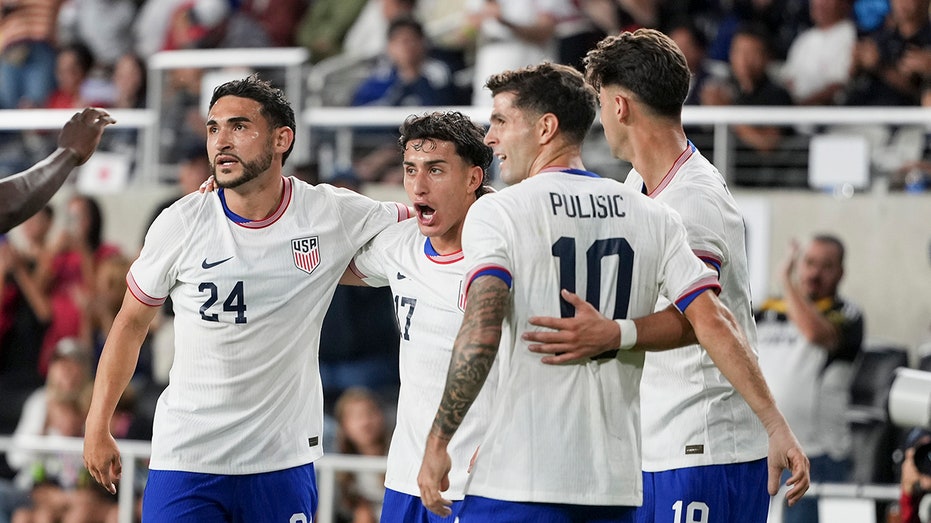
Soccer viewership in North America has surged, especially in the United States, where Major League Soccer has grown to 30 teams and TV rating data indicates younger demographics increasingly engaging with international soccer events.
Looking Ahead: Challenges and Opportunities
While the 2026 tournament promises to boost soccer’s profile in North America, challenges remain. Legal and political disputes over immigration, security, and local community impacts could complicate preparations. Furthermore, FIFA’s ongoing efforts to reform governance and enhance integrity will be under scrutiny as the tournament takes place on North American soil, where media freedom and public accountability are comparatively high.
On the positive side, the draw event and tournament serve as a testbed for tri-national cooperation under the specter of rising geopolitical tensions worldwide. Success in hosting could inspire future multi-nation championships in other regions, reshaping how global sports events are orchestrated and politicized.
Key Takeaways
- The 2026 World Cup draw highlights how global sports events are being leveraged as arenas of diplomatic engagement and soft power projection.
- FIFA’s awarding of the Peace Prize to Donald Trump signals increased engagement between global sports governance and political leadership, albeit amid debate.
- Hosting across three countries reflects broader trends toward regional partnerships and shared economic development strategies.
- The expanded tournament format aims to widen global inclusion while facing logistical and governance challenges.
- Experts confirm the World Cup’s evolving role as a tool for international diplomacy as much as athletic competition.
Topics
Editor's Comments
This event underscores the increasingly blurred lines between sports and politics, especially in the global arena. The World Cup is no longer just about soccer; it has become a stage where diplomatic narratives are performed and reinforced. While FIFA's move to award Trump the Peace Prize may appear controversial, it epitomizes the organization's strategic balancing act between sportsmanship ideals and engagement with powerful political networks. Observers should watch closely how this blend evolves, particularly as the tournament’s execution will test both multinational cooperation across the three hosts and FIFA’s credibility in simultaneously championing peace and neutrality.
Like this article? Share it with your friends!
If you find this article interesting, feel free to share it with your friends!
Thank you for your support! Sharing is the greatest encouragement for us.