2026 FIFA World Cup Groupings: Beyond Soccer, Politics and Global Power at Play

Sarah Johnson
December 6, 2025
Brief
A deep dive into the 2026 FIFA World Cup group announcement reveals the tournament’s broader geopolitical, cultural, and economic significance beyond just the matchups.
Why the 2026 FIFA World Cup Group Announcement Signals More Than Just Soccer
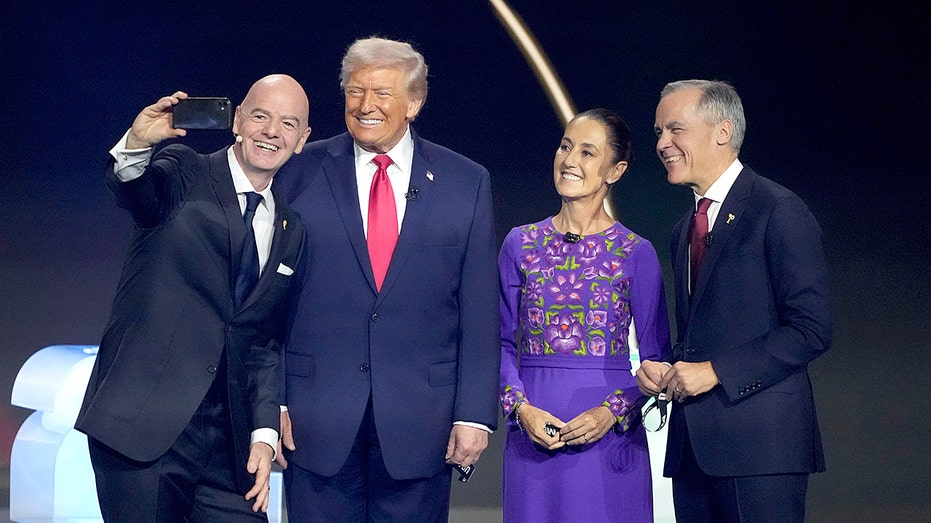
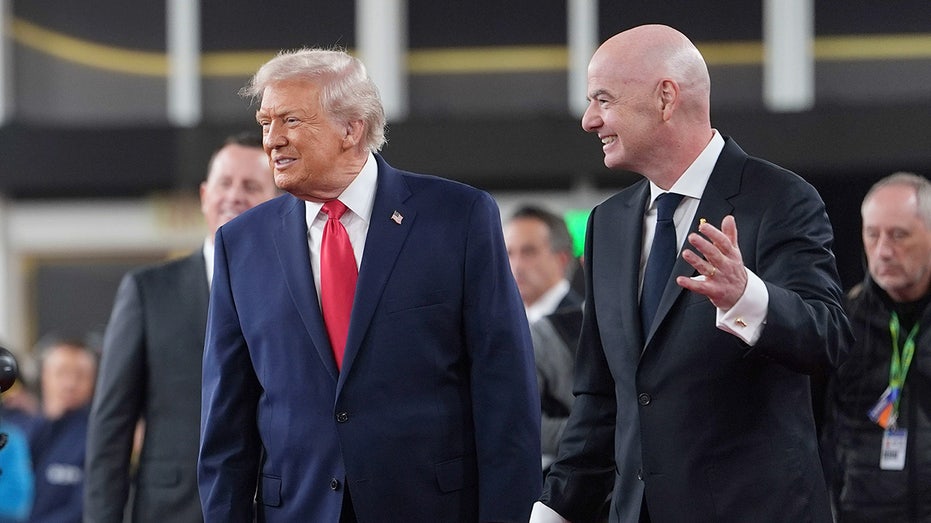
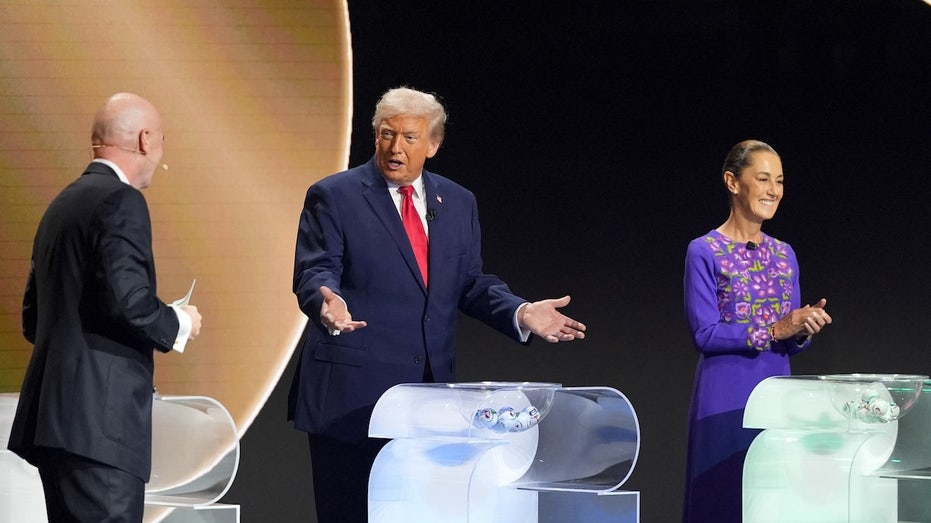
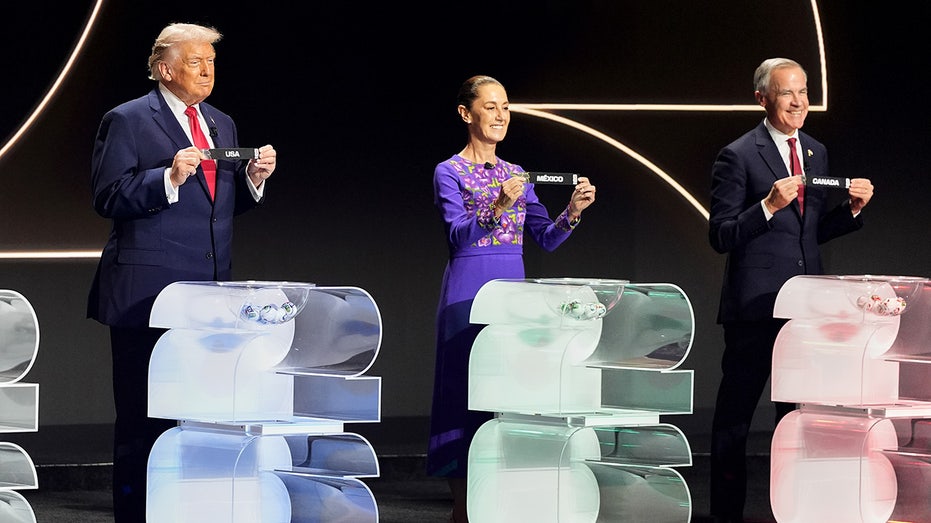
The unveiling of the 2026 FIFA World Cup groupings at a star-studded event in Washington D.C., featuring former President Donald Trump alongside global sports legends like Tom Brady and Wayne Gretzky, offers much more than a glimpse into soccer’s premier tournament structure. This ceremony symbolically encapsulates evolving geopolitics, the globalization of soccer, and sports’ increasing interplay with politics and culture in the 21st century.
The Bigger Picture: Soccer’s Global Ascendance and Political Theater
Historically, FIFA World Cups have transcended their sporting roots to become a stage for global power dynamics—whether showcased through boycotts during the Cold War or diplomatic thawing in the 1998 France tournament post-Cold War tensions. The 2026 event, co-hosted by Canada, Mexico, and the United States, marks the first time three countries have jointly organized the World Cup, signaling North America’s rising prominence in a sport traditionally dominated by Europe and South America.
Inviting political figures such as Trump and Canadian Prime Minister Mark Carney to play visible roles in the draw underscores sports’ amplified role in diplomacy and national branding. While critics may view Trump’s involvement as controversial given his political divisiveness, it also reflects FIFA’s tactical blend of celebrity, politics, and media spectacle aimed at maximizing global attention and market reach.
What This Really Means: The New Dynamics of Global Soccer and Identity
FIFA’s expansion to 48 teams from 32 for this edition represents not just growth in scale but a democratization that reflects shifting global soccer powerhouses and the sport’s penetration into new markets. Including nations like Jamaica, Iraq, and New Caledonia in playoff contention highlights the aspiration to diversify soccer’s traditional geographic strongholds.
This inclusiveness emphasizes soccer as a tool for cultural diplomacy, particularly among nations underrepresented on global stages. Meanwhile, the grouping’s careful curation — with tightly contested UEFA playoff spots and emerging nations matched against established powers — hints at competitive recalibration and the sport’s strategic future.
The presence of sports icons from multiple disciplines—NFL’s Brady, NBA’s O’Neal, NHL’s Gretzky, and MLB’s Judge—at the draw event further illustrates a growing cross-pollination among sports industries, blurring traditional fan bases and emphasizing the entertainment spectacle accompanying global sporting events.
Expert Perspectives
FIFA Analyst and Historian Dr. James R. Miller: “The 2026 World Cup draw is emblematic of soccer’s broader integration into global politics and entertainment culture. It’s no longer just about the game but also about narrative construction — national identity, geopolitical alliances, and economic ambition tied to sport.”
Sports Economist Dr. Linda Chen: “The expanded format will boost FIFA’s revenues and exposure but also challenges traditional competitive balance. Smaller nations gaining access to this stage can reshape the soccer economy and fan engagement patterns.”
Political Sociologist Dr. Arturo Delgado: “Having Trump and other political figures visibly involved reflects the convergence of populist politics and sport spectacle — an unavoidable feature in today’s hyper-mediated democracy.”
Data & Evidence Behind the Scenes
- The 2026 World Cup will feature 48 teams, a 50% increase from previous tournaments’ 32 teams, spanning 16 groups of 3 teams each.
- North America’s combined hosting comes after decades of growing soccer popularity in the region — with estimated youth participation increasing by over 20% in the U.S. since 2015.
- UEFA’s 16-team playoff system will determine four final qualifiers, reflecting the stiff competition in European football, where over 50 nations compete but only 16 slots exist.
- Emerging nations in the playoffs, such as Kosovo and New Caledonia, represent newly recognized or developing soccer federations, marking a shift towards more inclusive global engagement.
Looking Ahead: What to Watch for Beyond the Pitch
The geopolitical undercurrents and commercial interests surrounding the 2026 World Cup will intensify in the lead-up to the tournament. Issues to monitor include how North American hosts leverage the event for tourism and urban development, the impact of larger crowds and new stadium infrastructures, and the potential for global political events to influence or overshadow the games themselves.
Moreover, the continued blending of politics and global sports events raises questions about the role of athlete activism, media framing of national teams, and the responsiveness of FIFA to ethical controversies that have dogged past tournaments.
The Bottom Line
The 2026 FIFA World Cup group draw was more than a reveal of teams; it was a microcosm of evolving global dynamics where sport, politics, economics, and culture collide. Its design reflects soccer’s bid to democratize and globalize further while navigating complex geopolitical narratives and commercial imperatives.
Topics
Editor's Comments
This World Cup announcement is a fascinating intersection of sports, politics, and economics — a reminder that mega sporting events have long been arenas for global power plays, national narratives, and soft diplomacy. The prominent roles of political figures like Donald Trump, alongside cross-sport legends, reflect how FIFA leverages celebrity and politics to maximize spectacle and influence. Yet this spectacle raises complex questions: How will the expanded format affect competitive integrity? What geopolitical tensions might surface during the tournament? And how sustainable is the commercial model fueling this global event? As we watch the World Cup unfold, these deeper layers will shape not only who wins the trophy but how the sport continues to influence world affairs.
Like this article? Share it with your friends!
If you find this article interesting, feel free to share it with your friends!
Thank you for your support! Sharing is the greatest encouragement for us.