Beyond the Headlines: The Complex Power Struggle Behind Lane Kiffin’s Ole Miss Exit

Sarah Johnson
December 4, 2025
Brief
An in-depth analysis of Lane Kiffin’s contentious departure from Ole Miss, exploring shifting power dynamics between coaches, players, and athletic administration within SEC college football.
Ole Miss-Lane Kiffin Split: A Case Study in Modern College Football Power Dynamics
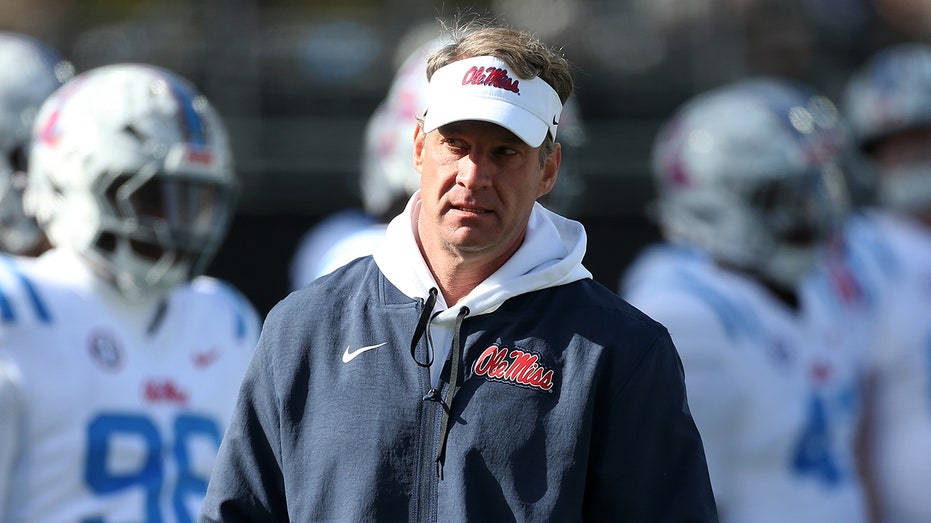
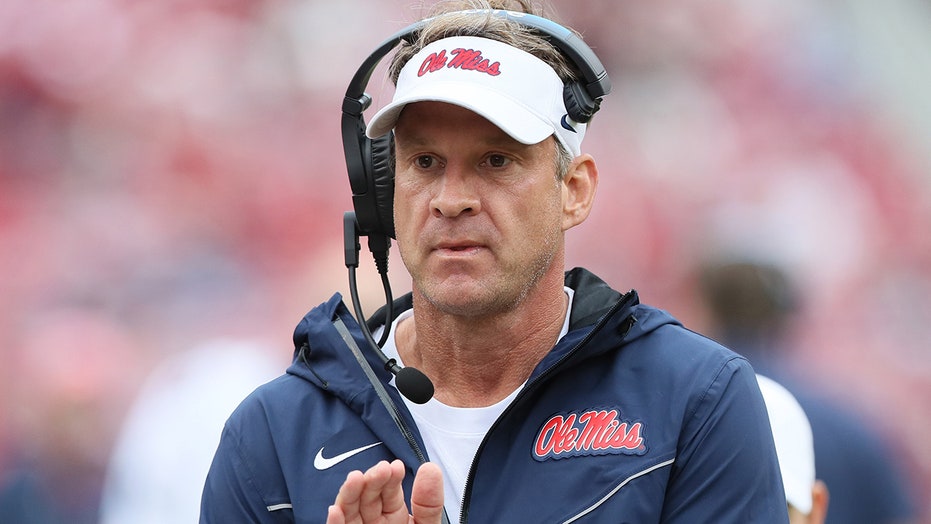
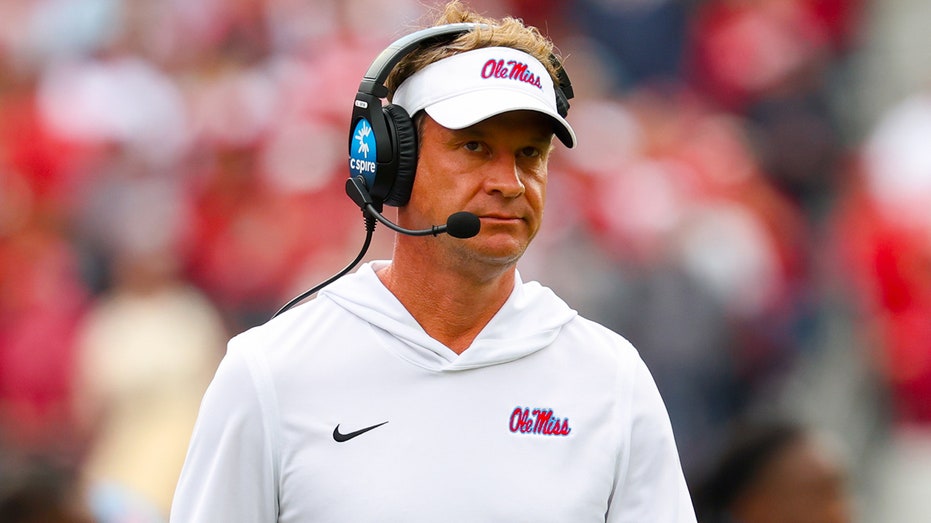
The unfolding departure of Lane Kiffin from Ole Miss to LSU has evolved from a straightforward coaching change into a complex saga that highlights shifting power dynamics between coaches, players, and athletic administrations in college football. The recent public comments by Ole Miss athletic director Keith Carter, which challenge Kiffin's narrative about his exit, underscore tensions that go beyond the field. This episode serves as a vivid example of how college football programs navigate leadership transitions in an era defined by heightened player voices, institutional priorities, and the pursuit of competitive advantage within the high-stakes Southeastern Conference (SEC).
The Bigger Picture: Historical Context and Background
Lane Kiffin’s coaching career has long been characterized by high-profile moves, marked successes, and sometimes contentious departures. His tenure at Ole Miss, which began in 2020 and quickly restored the program’s national competitiveness, intensified the spotlight on the Rebels after a prolonged period of mediocrity. Ole Miss, an SEC program with historically inconsistent success, has been aggressively repositioning itself to compete with regional powerhouses like Alabama, Georgia, and LSU.
In this context, coaching stability is often prized but fragile. The SEC’s competitive environment fosters a zero-sum mentality where programs often make swift, strategic decisions to maintain or enhance status. Lane Kiffin’s move to LSU immediately following his effective sidelining at Ole Miss—especially amid unresolved questions about postseason coaching permissions—reflects an increasingly transactional approach to coaching hires and departures at the top collegiate level.
What This Really Means: Power, Player Influence, and Institutional Control
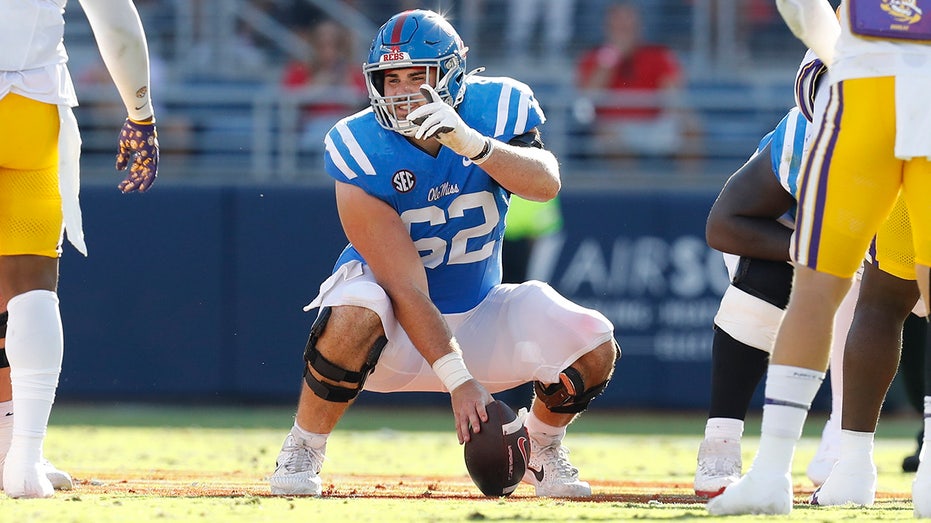
The heart of this dispute lies in competing narratives: Kiffin’s claim that the team wanted him to finish the season, contrasted sharply with Carter and multiple player statements denying such unanimity. This divergence sheds light on a new era where player voices are amplified, not only internally but also publicly via social platforms. Offensive lineman Brycen Sanders’ quick public rebuttal illustrates players stepping into what was traditionally a private negotiation or administrative decision. This visibility complicates traditional power structures, potentially empowering players but also making internal discord public.
Simultaneously, Carter’s refusal to allow Kiffin to coach postseason games after weeks of notification suggests that administrations are prioritizing institutional control and long-term program stability over individual coach preferences. Carter’s indication that discussions may have been open had Ole Miss been in contention for an SEC championship further reveals how competitive leverage informs administrative decisions. It also suggests that beyond personalities, the calculus of high-stakes sport—tournament eligibility, recruiting momentum, and program branding—influences personnel management.
The episode also underscores the risks when coaching contracts and team loyalties misalign. Kiffin’s abrupt departure before the postseason stirred controversy over timing, loyalty, and professionalism—issues that occupy a delicate place in collegiate athletics, where coaches serve dual roles as leaders and business assets.
Expert Perspectives
Dr. Richard Southall, a noted sports management scholar, assesses this situation as representative of broader shifts: "The modern college football landscape is marked by increasing complexity in governance. Athletic directors, coaches, players, and external stakeholders now interact in a much more public and scrutinized arena. Kiffin’s Ole Miss exit highlights how these stakeholders jostle for influence, reputation, and competitive positioning—and how communication missteps can exacerbate tensions."
Jenny Vrentas, an expert college football journalist, frames the dynamic power shifts: "Player empowerment is no longer hypothetical. When players publicly dispute a coach’s statements, it signals evolving expectations about transparency and agency within teams. Athletic departments must navigate these complexities carefully to maintain cohesion while competing fiercely."
Data & Evidence
SEC coaching turnover remains high, with an average tenure of under four seasons. The pressure to win is relentless, and markets for top coaches continue to grow. LSU’s willingness to hire Kiffin midseason—despite controversies—speaks to the premium placed on coaching talent in pursuit of rapid competitive gains.
Online engagement metrics during this dispute showed spikes in fan and media attention, indicative of the growing role of social media in shaping public opinion on internal team matters. Player posts and administrative statements received tens of thousands of interactions within hours, a scale of public scrutiny earlier unheard of in collegiate coaching disputes.
Looking Ahead: Future Implications and What to Watch
The Kiffin-Carter split offers a window into future collegiate athletic governance challenges. Administrators will likely need clearer protocols for end-of-season transitions and postseason eligibility to avoid ambiguity or conflict. Meanwhile, the empowered player base might push for formal mechanisms ensuring their voices factor more substantively in leadership changes.
Recruiting considerations will be crucial. How Ole Miss navigates the perception of internal discord may influence prospects’ decisions. LSU’s gamble on Kiffin’s controversial arrival also bears watching—will short-term gains override potential organizational instability?
Broader NCAA policy responses could follow, especially as coaching turnover intersects with NIL (Name, Image, Likeness) deals and transfer portal dynamics, injecting further complexity into program management.
The Bottom Line
Lane Kiffin’s departure from Ole Miss, punctuated by public disputes involving athletic leadership and players, encapsulates evolving power struggles in college football. The incident reveals how institutional priorities, player empowerment, and high-stakes competition collide to shape modern program narratives. Beyond a coaching change, this story offers a case study in adapting collegiate sports governance to a new era of transparency, agency, and strategic calculation.
Topics
Editor's Comments
This ongoing drama transcends the realm of a typical coaching change and invites us to consider the evolving anatomy of leadership in college football. What’s particularly striking is the intersection of player activism with institutional decision-making. Athletic directors like Keith Carter now navigate a labyrinth of external pressures—from public opinion amplified by social media to the commercial stakes of major conferences like the SEC. It raises important questions about loyalty, transparency, and communication at a time when coaching is as much a business transaction as it is a leadership role. How programs handle these conflicts will shape not only team performance but also the cultural health of collegiate athletics in the years ahead.
Like this article? Share it with your friends!
If you find this article interesting, feel free to share it with your friends!
Thank you for your support! Sharing is the greatest encouragement for us.