Ole Miss Coaching Shakeup: Power, Perception, and the High Stakes for Pete Golding’s Rebels

Sarah Johnson
December 3, 2025
Brief
Analyzing Ole Miss' coaching shakeup: Lane Kiffin's LSU move and Pete Golding's controversial promotion highlight college football’s power struggles, cultural bias, and implications for SEC program futures.
Opening Analysis
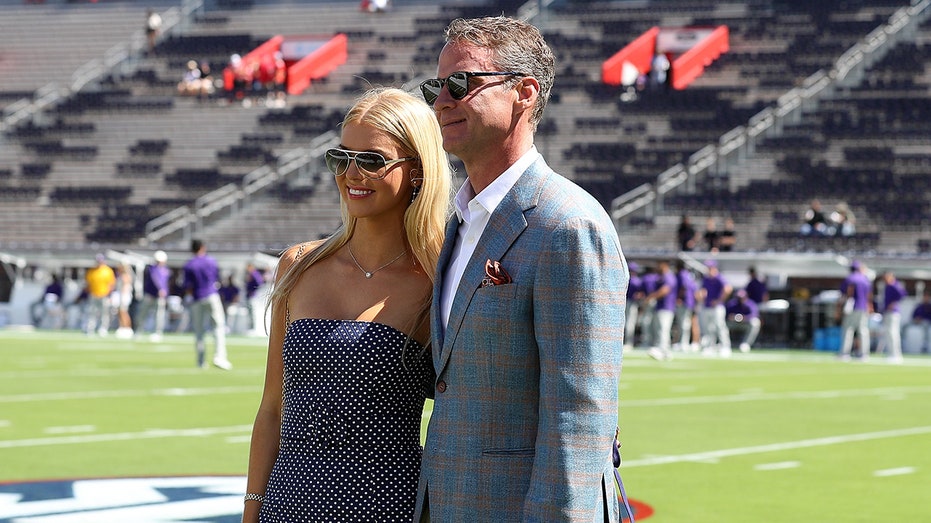
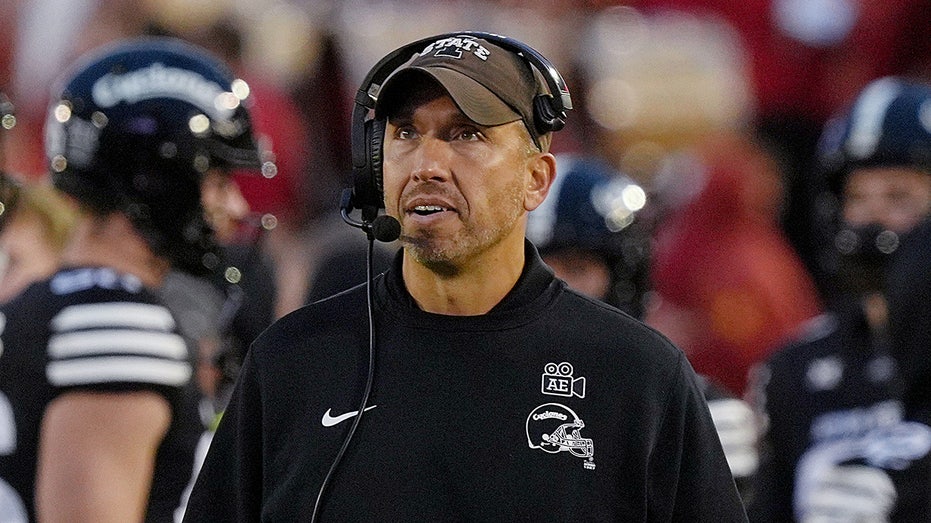
The recent coaching upheaval at Ole Miss, marked by Lane Kiffin’s sudden departure to LSU and the promotion of Pete Golding as his successor, isn’t just a sports story—it’s a revealing moment about power dynamics, expectations, and leadership philosophies within college football’s fiercely competitive Southeastern Conference (SEC). This transition spotlights tensions between program stability and the relentless drive for success in one of college football’s marquee conferences. It also raises broader questions about how coaching pedigrees and public perception shape opportunity—and how internal culture shifts can ripple through a program’s prospects.
The Bigger Picture
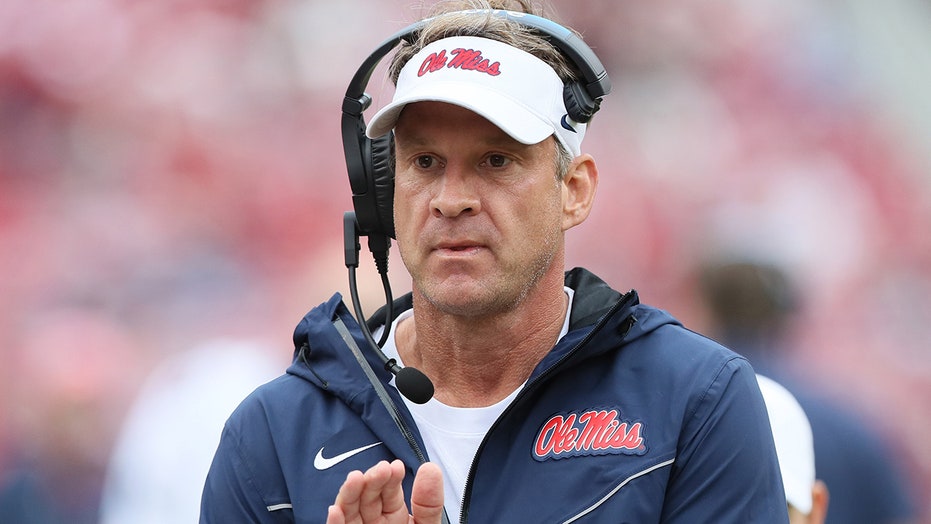
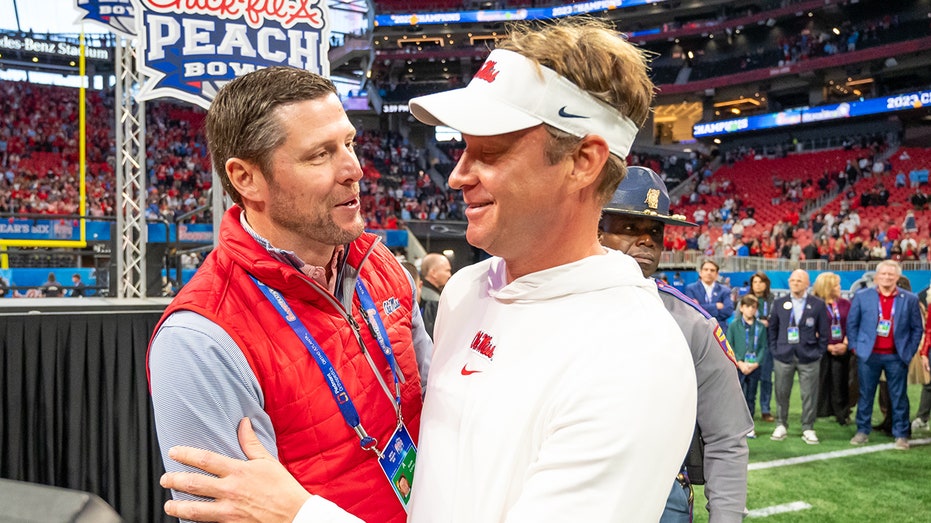
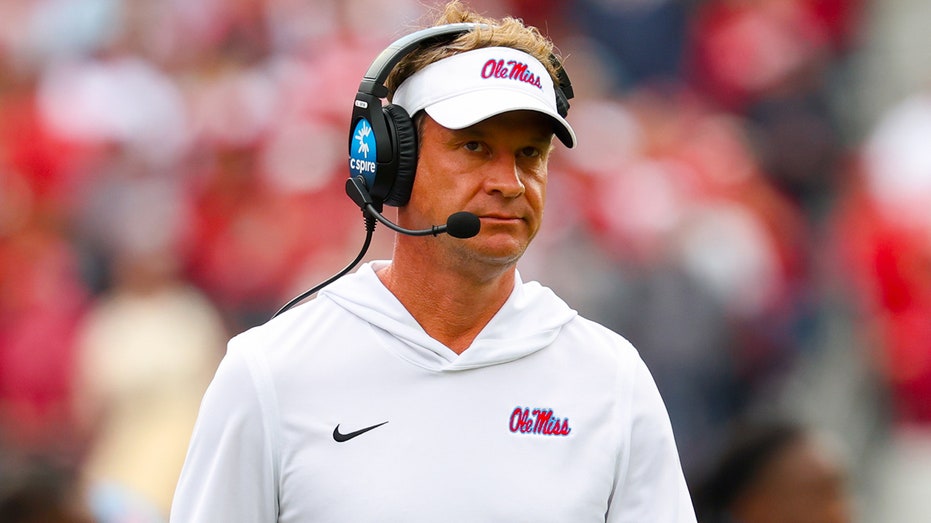
Lane Kiffin’s tenure at Ole Miss has been a rollercoaster of highs and lows, emblematic of the volatile nature of modern college football coaching. Since arriving in 2016, Kiffin brought national attention and a more aggressive recruiting style to the Rebels, culminating in an 11-1 season and a ranked placement within the College Football Playoff discussion in 2025. However, his move to LSU after just six seasons mirrors a growing trend of frequent coaching carousel moves driven by financial incentives, program prestige, and personal ambitions.
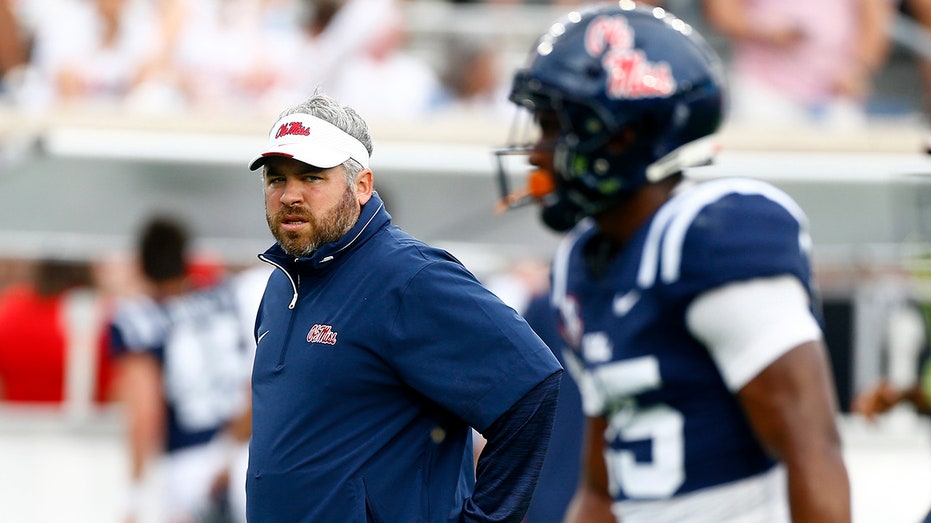
Pete Golding’s elevation from defensive coordinator to head coach marks his first leadership role in a Power Five program, a critical milestone amid a shifting coaching landscape where internal promotions risk criticism from both fans and commentators. Historically, assistant coaches promoted internally (especially those perceived as less charismatic or unproven) face an uphill battle to earn respect and establish authority—particularly in high-expectation environments like the SEC. Bomani Jones’ sharp critique highlights a cultural skepticism often directed at those perceived as lacking the “star power” or traditional profile of a head coach.
What This Really Means
Golding’s appointment signals Ole Miss betting on continuity over disruption: preserving their football program’s defensive identity and relying on an internal candidate familiar with existing players and systems. This approach counters the norm in top-tier college programs that frequently opt for established head coaching names to appease fanbases and donors anxious for immediate results.
Jones’ harsh commentary, focusing not only on Golding’s coaching record but even on superficial traits like appearance, reveals a deeper challenge in college football culture—the tension between substantive qualifications and media-driven narratives shaping coaching legitimacy. This dynamic can unfairly prejudice emerging coaches, especially Black coaches like Golding, whose leadership is sometimes scrutinized through an overemphasis on charisma or image rather than tactical acumen.
Kiffin’s departure does disrupt Ole Miss’ momentum towards playoff contention, introducing uncertainty for the Rebels as they prepare for postseason play. Golding’s initial games as head coach will be scrutinized intensely, potentially influencing recruitment and program trajectory far beyond this season.
Expert Perspectives
- Dr. Richard Southall, Sports Management Professor: "Ole Miss’s choice to promote Golding reflects a long-term vision intending to solidify their internal culture and resist the volatility that often accompanies high-profile hires. While risky, it underscores a growing trend where programs value continuity as a foundation for sustainable success."
- Kyle Bonagura, College Football Analyst: "Golding’s defensive strategies have shown promise, but transitioning to head coach presents a new suite of challenges—managing broader staff, media pressures, and program leadership. The SEC spotlight will magnify any missteps, but also offer a platform to prove doubters wrong."
- Dr. Nicole LaVoi, Expert on Sports Leadership & Equity: "Media responses like Bomani Jones’ critique highlight the importance of challenging biases in how coaches—especially minority coaches—are evaluated. Leadership effectiveness should be assessed on results and cultural impact rather than aesthetics or preconceived narratives."
Data & Evidence
Examining Ole Miss defense under Golding offers some grounding insight:
- Under Golding’s coordination, Ole Miss defense improved from ranking outside the SEC top half in yards allowed per game in 2019 to a top-3 SEC defense in 2024, an impressive feat in a conference known for elite offenses.
- Ole Miss ended the 2025 regular season 11-1 overall and 6-2 in the SEC, climbing to #7 in the College Football Playoff rankings despite stiff competition.
- Historically, internal promotions to head coach at Power Five programs have a mixed record, with around 45-50% maintaining or improving win percentages in the first two seasons, highlighting both risks and potential rewards.
Looking Ahead
Golding’s early performance as head coach will not only define his individual legacy but could set a precedent for Ole Miss’ strategic direction in coaching hires—whether the program embraces internal culture-building or opts for marquee external recruits. Recruiting success in the next 12-18 months will be a key metric; retaining top talent amid leadership change is critical to competitive sustainability.
SEC realignment and increasing financial stakes raise the pressure. Should Golding struggle, Ole Miss risks losing ground to rivals like LSU and Alabama, who aggressively leverage high-profile hires. Conversely, a steady hand and defensive acumen leading to postseason success would challenge narratives dismissing internal promotions.
The Bottom Line
Ole Miss’ coaching shakeup encapsulates broader themes in college football: the clash between media-driven perceptions and internal program realities, challenges faced by minority coaches stepping into spotlight roles, and the balance between continuity and bold change in high-stakes sports environments. Pete Golding’s tenure will test these forces amid intense scrutiny—but the Rebels’ fate may hinge on whether the program and fanbase can look beyond persona, focusing on leadership substance and long-term vision.
Topics
Editor's Comments
This coaching transition at Ole Miss reflects deep currents within college football—how leadership is evaluated not only on wins and losses but on public narrative, cultural fit, and media-driven perceptions. Golding’s challenge is as much about combating entrenched biases as coaching technique. It also prompts a reflection on how programs balance short-term ambition with long-term stability, especially in hyper-competitive conferences like the SEC. Watching how Ole Miss manages this shift could provide valuable lessons for other programs grappling with leadership transitions under pressure.
Like this article? Share it with your friends!
If you find this article interesting, feel free to share it with your friends!
Thank you for your support! Sharing is the greatest encouragement for us.