Beyond the Sidelines: Unpacking Lane Kiffin’s Ole Miss Exit and the Fan Frenzy That Followed

Sarah Johnson
December 3, 2025
Brief
In-depth analysis of Lane Kiffin’s departure from Ole Miss amid fan tensions, exploring the cultural, economic, and institutional pressures shaping SEC coaching moves and their broader implications.
Opening Analysis
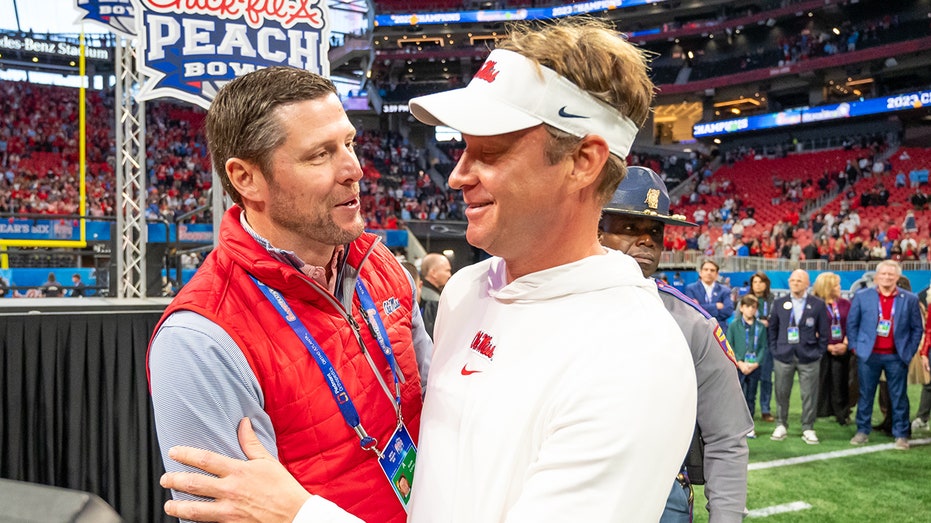
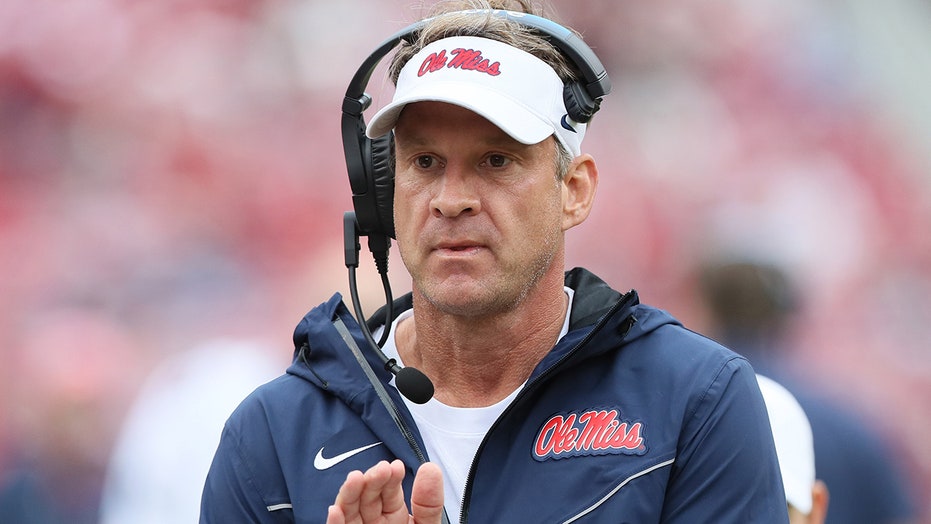
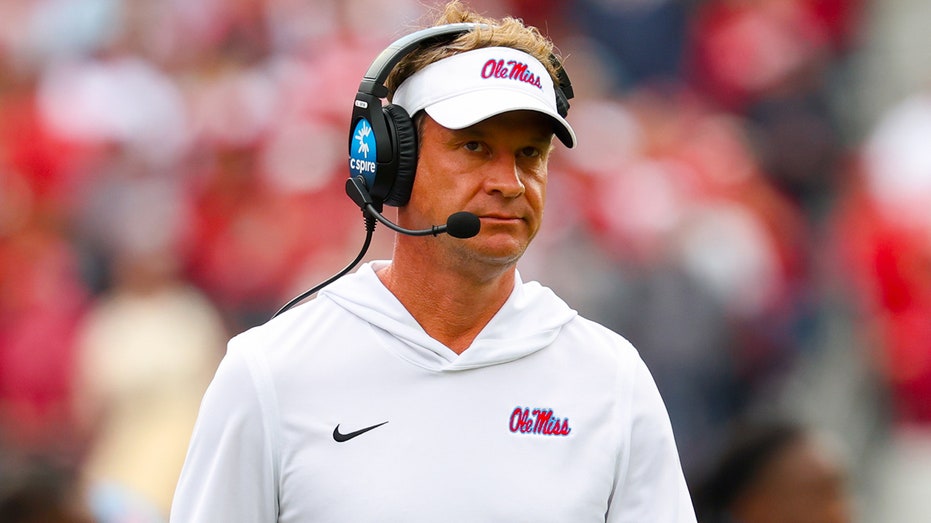
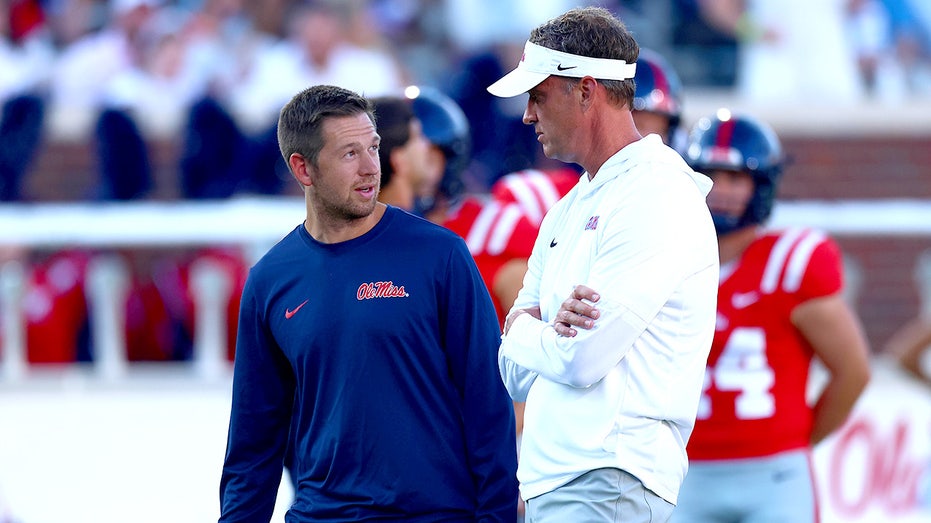
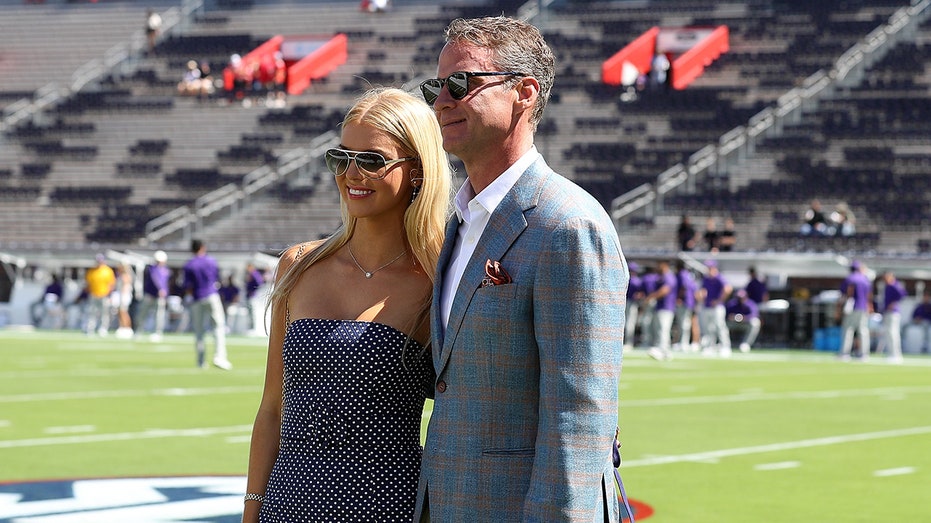
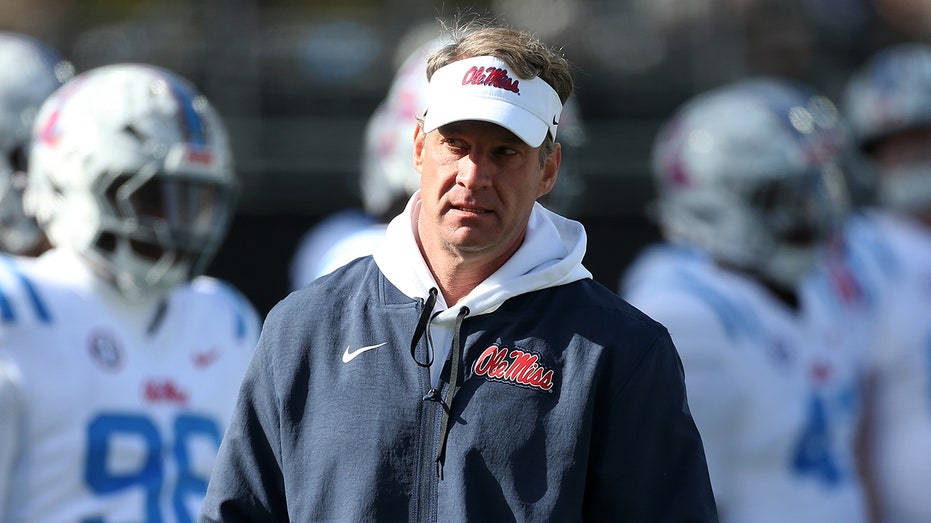
Lane Kiffin’s recent departure from Ole Miss to take the LSU head coaching job has stirred not only emotions but also tensions emblematic of the fierce passion and high stakes within SEC college football. His allegation that some Ole Miss fans attempted to chase his car off the road as he left Oxford spotlights more than just fan anger—it reveals the extreme pressure and scrutiny facing prominent coaches amid rapidly shifting loyalties and expectations. This episode encapsulates the volatile intersection of sports culture, fan identity, and collegiate athletics’ business dynamics.
The Bigger Picture
Coaching changes in NCAA football—especially in the Southeastern Conference (SEC), arguably the nation’s most competitive and lucrative league—have long been seismic events impacting not just teams but entire fan bases and regional pride. Ole Miss and LSU, both iconic programs in neighboring Mississippi and Louisiana, embody deeply rooted rivalries exacerbated by history, geography, and recruiting battles. Kiffin’s six-year tenure at Ole Miss culminated in a 55-19 record, making him the third-winningest coach in the school’s history. Yet, despite this success, his exit underscores how success alone can be overshadowed by shifting stakeholder expectations, fan sentiment, and institutional decisions.
Historically, coaching departures under contentious circumstances in college football are not new but have evolved alongside the commercial growth of college sports—particularly with coaching salaries ballooning into multi-million-dollar contracts and the increasing media spotlight. The intensity seen here echoes past moments, such as Nick Saban’s moves within the SEC or the turbulent reactions to coaches like Urban Meyer and others, where fan and institutional passions flared at signs of changing allegiances.
What This Really Means
Kiffin’s claim about fans chasing his car signifies more than isolated fan frustration; it symbolizes the heightened tribalism and emotional investment that college football fans imbibe. This episode also raises questions about the durability of coach-fan relationships in a hyper-professionalized collegiate sports environment. Fans feel ownership over programs, sometimes expressing extreme vitriol when perceived loyalties shift. Such incidents point to the increasing pressures on coaches not just to win but to embody community values and identities.
For Ole Miss, losing Kiffin after a landmark season—11-1 but falling short of the SEC Championship game—means a sudden leadership vacuum. The university’s decisive move to remove Kiffin from coaching duties during the playoff run, despite player support for continuity, highlights the tension between administrative control and team dynamics. For LSU, Kiffin’s arrival signals a serious investment in rejuvenating a historically dominant program amid SEC power struggles, with expectations soaring not just on the field but in recruiting and branding.
Expert Perspectives
Dr. Andrew Zimbalist, Sports Economist, Smith College: "This episode perfectly illustrates the commodification of college football coaches as both talent and symbols cemented in local identity. The fan reaction, while extreme, underscores how deeply intertwined team success and regional pride have become—and how coaches now navigate an arena far beyond the playing field, blending sport with business and community emotions."
Dr. Amber Lee, Sociologist specializing in sports fandom, University of Texas: "The intensity of fan behavior around coaching changes reveals the ritualistic and tribal nature of fandom, where coaches are seen as representatives of collective identity. Such incidents, though concerning, have roots in broader social dynamics of belonging and perceived betrayal."
Coach Mike Gundy, Oklahoma State University: "Coaching in the SEC is unlike almost anywhere else. Fans, boosters, administrations—they all expect not just wins but emotional investment and loyalty that sometimes spills beyond professionalism. Navigating that while building programs is a rare skill."
Data & Evidence
- Kiffin’s Ole Miss record stands at 55-19 over six seasons, ranking him third in school wins historically.
- Ole Miss’ 11-1 2025 season is among their best recent performances but still fell short of the SEC Championship Game.
- SEC head coaching salaries average $6-10 million annually, reflecting intense financial stakes tied to program success and turnover.
- Fan sentiment toward coaching changes often spikes on social media platforms within hours of announcements, with studies showing increased verbal aggression correlating with regional sports rivalries.
Looking Ahead
Kiffin’s LSU tenure will be watched as a test case for how effectively a coach can transition within the high-pressure SEC environment while managing intense fan expectations. For Ole Miss, the appointment of Pete Golding as interim head coach during a playoff run will reveal much about the program’s resilience and institutional decision-making. Administrators and fans alike must reckon with the evolving culture around coaching mobility—balancing fan passion with safety considerations and program stability.
More broadly, this episode may spur conversations about the role of fan behavior and institutional responsibility in protecting coaches and athletes from excessive hostility. Universities in high-profile sports must balance enthusiasm and loyalty with safeguarding community standards and wellbeing.
The Bottom Line
Lane Kiffin’s exit from Ole Miss—marked by allegations of dangerous fan reactions—reflects the volatile mix of success, loyalty, and identity in modern college football. It underscores how coaching is not simply a profession but a high-stakes role entangled in regional pride, institutional politics, and fan fervor. Moving forward, the challenge for programs in the SEC and beyond will be harnessing passionate support while fostering environments that protect all stakeholders from the pressures this passion can unleash.
Topics
Editor's Comments
Lane Kiffin’s departure and the surrounding fan reaction reveal a glaring tension within college football’s ecosystem: the extent to which coaching is as much about community identity as it is about sport. This incident raises difficult questions—how do programs protect individuals from fan hostility without dampening fan passion? How might universities better manage transitions that trigger intense emotions? It also forces us to consider the unprecedented pressure on coaches today, who must navigate not only winning seasons but also volatile social landscapes. This story is a microcosm of larger debates about the intersection of sports, business, and culture in contemporary America.
Like this article? Share it with your friends!
If you find this article interesting, feel free to share it with your friends!
Thank you for your support! Sharing is the greatest encouragement for us.